TL;DR
The adaptive reuse pipeline has reached record scale: 70,700 apartment units are now in the office-to-residential conversion pipeline nationally. New York City leads all markets with 8,310 units, followed by Washington DC at 6,533 and Los Angeles at 4,388. Office conversions now represent 42% of all adaptive reuse activity in the United States. NYC's pipeline could absorb roughly one-third of Manhattan's office occupancy losses. Class A assets have risen to 33% of conversion projects — a significant shift from the early days when conversions were limited to obsolete Class C buildings. Through March 2025, 15.3 million gross square feet across 44 buildings were creating 17,400 units.
70,700 Units: The Pipeline Has Arrived
When F6 Partners first started advocating for adaptive reuse and hotel conversions as a core investment strategy, the typical response from institutional investors was skepticism. Conversions were seen as one-off projects, difficult to scale, and too complex for programmatic deployment. The data has definitively retired that objection.
A record 70,700 apartment units are now in the office-to-residential conversion pipeline across the United States. That's not a rounding error — it's a genuine asset class forming in real time. The pipeline has grown at an accelerating rate as more developers, cities, and capital sources recognize that converting obsolete office buildings into housing is not just possible but economically superior to ground-up construction in many markets.
The geographic distribution of the pipeline tells you where the convergence of office distress and housing demand is most acute. New York City leads with 8,310 units in the pipeline, driven by the city's severe housing shortage and its progressive regulatory framework for conversions. Washington DC follows at 6,533 units, where the DOGE-driven federal lease exodus has created an unprecedented inventory of vacant office buildings. Los Angeles rounds out the top three at 4,388 units, reflecting the city's ambitious adaptive reuse ordinance and chronic housing underproduction.
Office-to-Residential Conversion Pipeline (2019–2026)
The national office-to-residential conversion pipeline has grown exponentially, reaching over 70,000 units as cities incentivize the repurposing of obsolete commercial space.
Think you know the facts behind the headlines?
5 questions · ~3 min
42% of All Adaptive Reuse
Office-to-residential conversions now represent 42% of all adaptive reuse activity in the United States. That dominance reflects the simple reality that the office sector has the most surplus inventory and residential is the highest and best use for that inventory in most urban markets.
The math works because the cost equation has flipped. When office buildings were fully occupied and generating market rents, conversion didn't make economic sense — the income from office operations exceeded what residential could produce. Now, with national office vacancy at 20.4% and commodity office rents declining, the opportunity cost of conversion has collapsed. An empty office building generating zero income has a very different highest-and-best-use calculation than a fully leased one.
At F6 Partners, we've been making this argument since the early stages of the office distress cycle. The buildings that cannot compete in the modern office market — those without the amenities, mechanical systems, and floor plates that Class A tenants demand — have a clear path to productive use as residential. Every month those buildings sit vacant, the economic case for conversion strengthens — especially when coupled with conversion cost advantages that save 20-40% compared to ground-up construction.
U.S. Office Vacancy Rate (2019–2026)
Office vacancy has climbed to record highs above 19% nationally, but is showing early signs of stabilization as conversions and demolitions gradually remove excess supply.
NYC Could Absorb One-Third of Manhattan's Losses
One of the most compelling statistics in the adaptive reuse conversation is that New York City's conversion pipeline could absorb approximately one-third of Manhattan's total office occupancy losses. That single data point illustrates the scale of the opportunity and the potential for conversions to meaningfully address both the office glut and the housing crisis simultaneously.
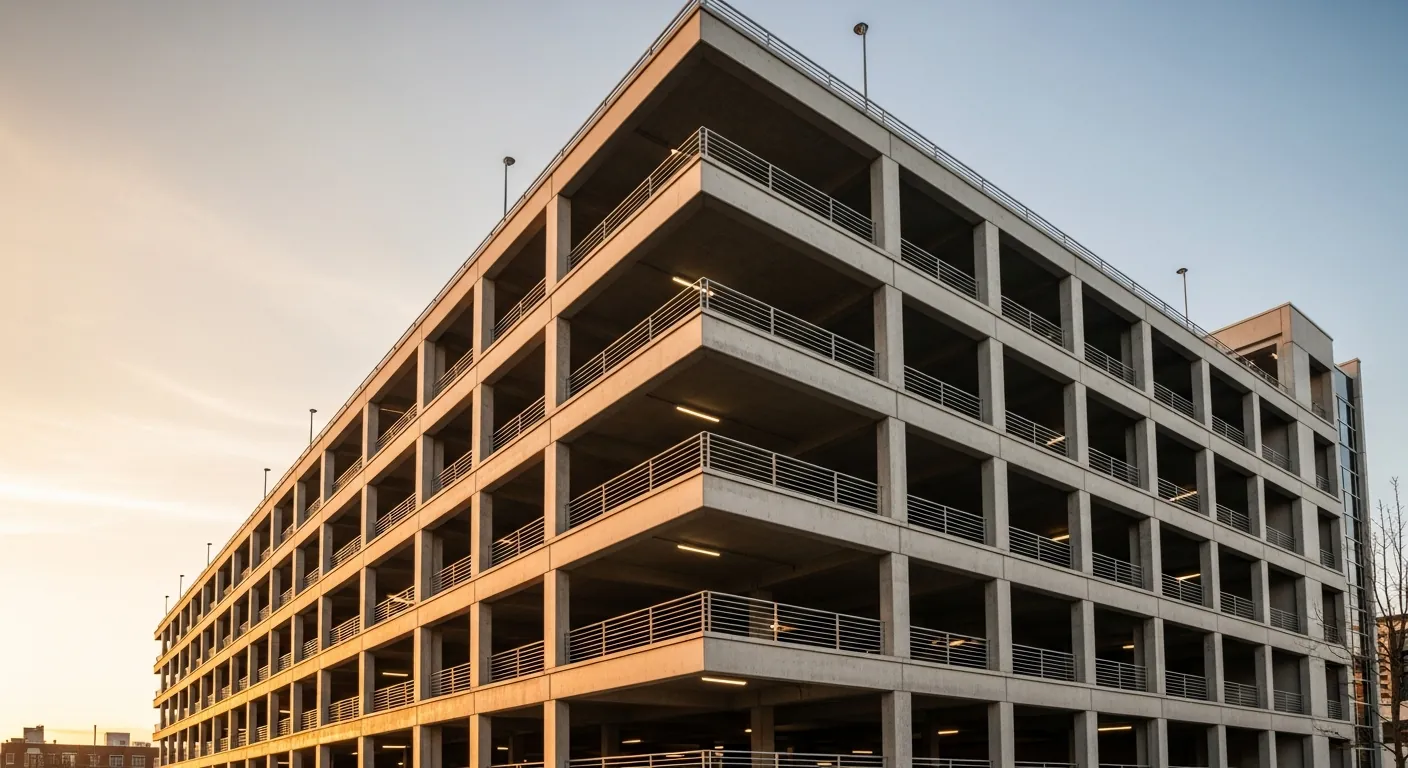
Manhattan lost tens of millions of square feet of office occupancy through the pandemic and its aftermath, as detailed in our coverage of the Manhattan metamorphosis of office-to-residential conversions. Converting even a fraction of that space into the residential units the city desperately needs would produce housing faster and cheaper than ground-up construction while simultaneously reducing the drag that vacant office space places on neighborhoods, tax bases, and urban vitality.
Class A Enters the Conversion Pipeline
Perhaps the most significant trend in the 2026 pipeline is the rise of Class A assets to 33% of conversion projects. In the early years of adaptive reuse, conversions were almost exclusively limited to obsolete Class C and aging Class B buildings that had no viable future as offices. The inclusion of Class A assets signals that the conversion thesis has matured from a distress play to an institutional strategy.
Class A conversions produce superior residential products because the buildings start with better bones — modern structural systems, higher ceiling heights, larger floor-to-ceiling windows, and premium locations. The resulting residential units command higher rents and attract a broader tenant demographic, improving the economic returns for developers and investors.
Through March 2025, 15.3 million gross square feet across 44 buildings were creating 17,400 units. These completed and in-progress projects are providing the track record that institutional capital needs to commit to conversion strategies at scale. At F6 Partners, we see the Class A trend as validation that adaptive reuse has crossed the threshold from alternative strategy to mainstream investment thesis.
Class A Share of Conversion Projects (2019–2026)
An increasing share of office conversions now target Class A buildings, reflecting how even premium office space is being repurposed as the sector fundamentally resets.
TL;DR
The adaptive reuse pipeline has reached record scale: 70,700 apartment units are now in the office-to-residential conversion pipeline nationally. New York City leads all markets with 8,310 units, followed by Washington DC at 6,533 and Los Angeles at 4,388. Office conversions now represent 42% of all adaptive reuse activity in the United States. NYC's pipeline could absorb roughly one-third of Manhattan's office occupancy losses. Class A assets have risen to 33% of conversion projects — a significant shift from the early days when conversions were limited to obsolete Class C buildings. Through March 2025, 15.3 million gross square feet across 44 buildings were creating 17,400 units.
70,700 Units: The Pipeline Has Arrived
When F6 Partners first started advocating for adaptive reuse and hotel conversions as a core investment strategy, the typical response from institutional investors was skepticism. Conversions were seen as one-off projects, difficult to scale, and too complex for programmatic deployment. The data has definitively retired that objection.
A record 70,700 apartment units are now in the office-to-residential conversion pipeline across the United States. That's not a rounding error — it's a genuine asset class forming in real time. The pipeline has grown at an accelerating rate as more developers, cities, and capital sources recognize that converting obsolete office buildings into housing is not just possible but economically superior to ground-up construction in many markets.
The geographic distribution of the pipeline tells you where the convergence of office distress and housing demand is most acute. New York City leads with 8,310 units in the pipeline, driven by the city's severe housing shortage and its progressive regulatory framework for conversions. Washington DC follows at 6,533 units, where the DOGE-driven federal lease exodus has created an unprecedented inventory of vacant office buildings. Los Angeles rounds out the top three at 4,388 units, reflecting the city's ambitious adaptive reuse ordinance and chronic housing underproduction.
Office-to-Residential Conversion Pipeline (2019–2026)
The national office-to-residential conversion pipeline has grown exponentially, reaching over 70,000 units as cities incentivize the repurposing of obsolete commercial space.
Think you know the facts behind the headlines?
5 questions · ~3 min
42% of All Adaptive Reuse
Office-to-residential conversions now represent 42% of all adaptive reuse activity in the United States. That dominance reflects the simple reality that the office sector has the most surplus inventory and residential is the highest and best use for that inventory in most urban markets.
The math works because the cost equation has flipped. When office buildings were fully occupied and generating market rents, conversion didn't make economic sense — the income from office operations exceeded what residential could produce. Now, with national office vacancy at 20.4% and commodity office rents declining, the opportunity cost of conversion has collapsed. An empty office building generating zero income has a very different highest-and-best-use calculation than a fully leased one.
At F6 Partners, we've been making this argument since the early stages of the office distress cycle. The buildings that cannot compete in the modern office market — those without the amenities, mechanical systems, and floor plates that Class A tenants demand — have a clear path to productive use as residential. Every month those buildings sit vacant, the economic case for conversion strengthens — especially when coupled with conversion cost advantages that save 20-40% compared to ground-up construction.
U.S. Office Vacancy Rate (2019–2026)
Office vacancy has climbed to record highs above 19% nationally, but is showing early signs of stabilization as conversions and demolitions gradually remove excess supply.
NYC Could Absorb One-Third of Manhattan's Losses
One of the most compelling statistics in the adaptive reuse conversation is that New York City's conversion pipeline could absorb approximately one-third of Manhattan's total office occupancy losses. That single data point illustrates the scale of the opportunity and the potential for conversions to meaningfully address both the office glut and the housing crisis simultaneously.
Manhattan lost tens of millions of square feet of office occupancy through the pandemic and its aftermath, as detailed in our coverage of the Manhattan metamorphosis of office-to-residential conversions. Converting even a fraction of that space into the residential units the city desperately needs would produce housing faster and cheaper than ground-up construction while simultaneously reducing the drag that vacant office space places on neighborhoods, tax bases, and urban vitality.
Class A Enters the Conversion Pipeline
Perhaps the most significant trend in the 2026 pipeline is the rise of Class A assets to 33% of conversion projects. In the early years of adaptive reuse, conversions were almost exclusively limited to obsolete Class C and aging Class B buildings that had no viable future as offices. The inclusion of Class A assets signals that the conversion thesis has matured from a distress play to an institutional strategy.
Class A conversions produce superior residential products because the buildings start with better bones — modern structural systems, higher ceiling heights, larger floor-to-ceiling windows, and premium locations. The resulting residential units command higher rents and attract a broader tenant demographic, improving the economic returns for developers and investors.
Through March 2025, 15.3 million gross square feet across 44 buildings were creating 17,400 units. These completed and in-progress projects are providing the track record that institutional capital needs to commit to conversion strategies at scale. At F6 Partners, we see the Class A trend as validation that adaptive reuse has crossed the threshold from alternative strategy to mainstream investment thesis.
Class A Share of Conversion Projects (2019–2026)
An increasing share of office conversions now target Class A buildings, reflecting how even premium office space is being repurposed as the sector fundamentally resets.
Test Your Knowledge
How well do you know adaptive reuse projects?

Andrew LeBaron