Nobody knows who you are
You can be exceptional and still be invisible. Capital flows to the names allocators already trust.

The only thing standing in between you and a successful raise is a proven model that runs daily. That’s where I come in.






The capital exists
Trillions have been raised — but not yet deployed into real estate projects, funds, startups, and ventures.
An estimated $4.6 trillion in committed private capital is sitting undeployed worldwide — money investors have already pledged to funds but that hasn’t reached an operator, a project, or a deal. The money isn’t the problem. The connection is.
Source: PitchBook — Global private-capital dry powder, Q2 2025
The builders exist too
Operators, emerging fund managers, and founders are launching new projects, new funds, and new businesses every single day.
More than 5 million new businesses were started in the United States in 2024 alone — real estate operators, first- and second-time fund managers, and founders building the next generation of companies. The talent and the ambition are not scarce. The introductions are.
Source: U.S. Census Bureau — Business Formation Statistics, 2024
Real estate is the top alternative asset class for family offices worldwide.
There are approximately 10,000 single family offices worldwide, managing an estimated $6 trillion in assets.
A family office typically requires a minimum of $100 million in investable assets to justify the operational cost of running one.
Family offices allocate an average of 25 to 30 percent of their portfolios to alternatives, including private real estate, private equity, and hedge funds.
The average single family office employs between 10 and 15 full-time staff, including investment professionals, tax advisors, and legal counsel.
Real estate is consistently the top alternative asset class for family offices, with over 75 percent holding direct real estate exposure.
Multi-family offices serve multiple ultra-high-net-worth families under one structure, reducing overhead while maintaining institutional-grade investment management.
Most family offices are exempt from SEC registration as investment advisers, making them among the least regulated pools of institutional capital in existence.
The average family office receives over 200 unsolicited investment pitches per year. Less than 2 percent result in a meeting.
More than 60 percent of family offices prefer to co-invest directly alongside a lead sponsor rather than invest through a blind-pool fund.
The top three deal-killers in family office underwriting are: sponsor track record, fee structure opacity, and lack of alignment of interests.
Family offices source more than 50 percent of their best deals through personal networks and trusted referrals, not placement agents or marketing campaigns.
The average hold period for a family office real estate investment is 7 to 10 years, significantly longer than institutional funds targeting 3 to 5 year exits.
Next-generation family office principals are 3x more likely to prioritize ESG and impact-aligned investments than their predecessors.
Family offices lost an estimated $1.1 trillion in the 2008 financial crisis, which permanently shifted their due diligence processes and allocation strategies.
The United States is home to the largest concentration of family offices globally, centered primarily in New York, Chicago, Dallas, and Palm Beach.
Relationship tenure matters more in family office capital than almost any other allocator category. The average family office has worked with their top 3 investment partners for over a decade.
The real reasons
For everything standing between a great operator and the right check, there is a path through it — built on relationships, positioning, and the credibility to open the doors that matter.
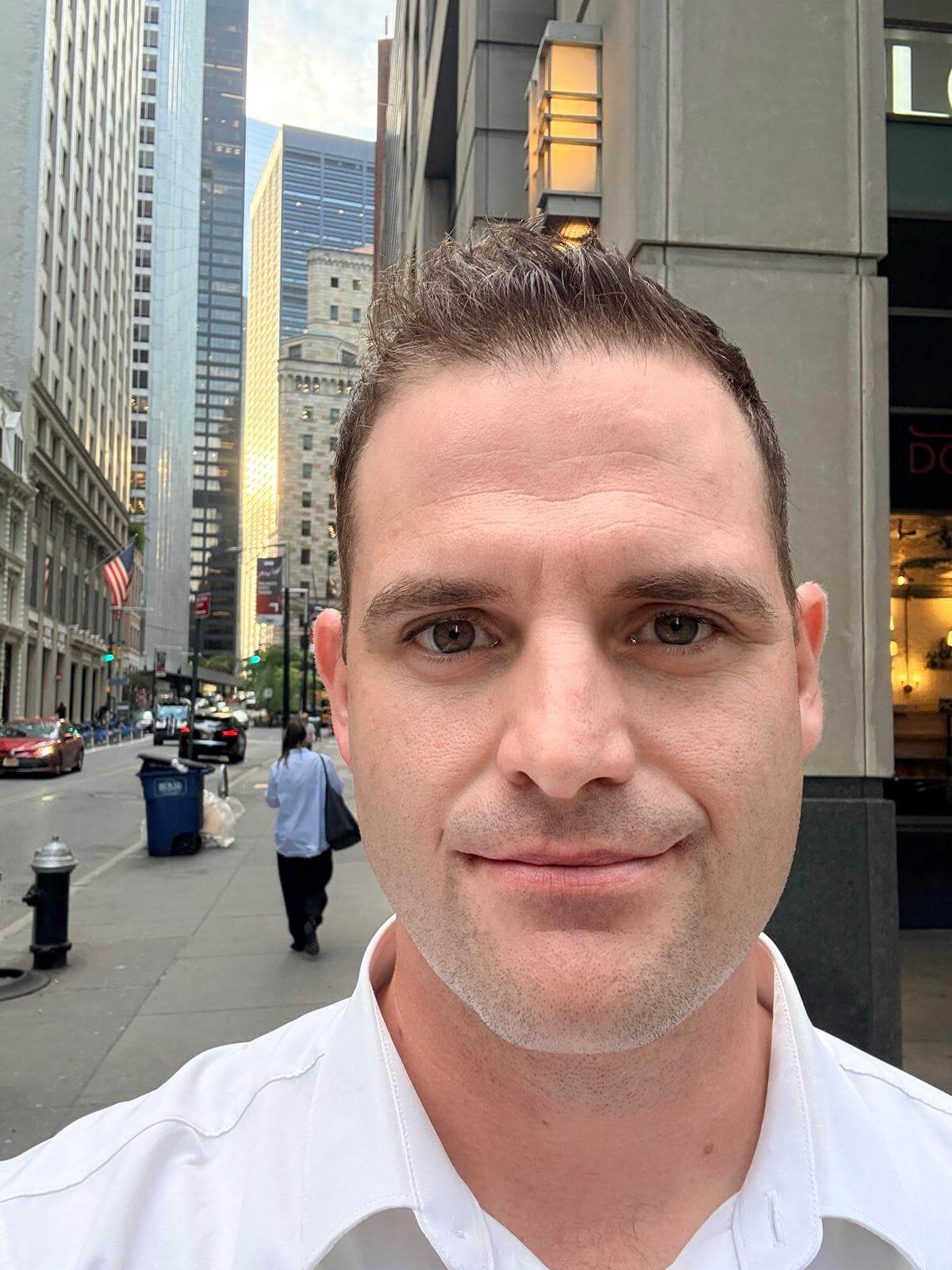
Andrew LeBaron
I’ve helped raise, place, and advise over $130 million across real estate projects, funds, and ventures — and I spend my days connecting proven operators with the family offices and the private capital they’re actively looking to deploy.
How I help
Before the intros
It takes a team who has raised and advised over $100 million in projects to put you in front of the right people, but before intros and outreach is possible, we need to evaluate if you have the following:
The next step
All the data contained within this website is as of 2026 unless otherwise noted. The material on this website is intended for informational purposes only, does not constitute investment advice or analysis, or a recommendation, or an offer of solicitation, and is not the basis for any contract or other agreement to make any investment, or for Andrew LeBaron, LeBaron Capital Partners, LLC, or any of their affiliated entities to enter into or arrange any type of transaction. Nothing on this website should be construed as a guarantee of any particular outcome or result.
Past Performance: Any performance data or comments expressed on this website are an indication of past performance. Past performance is not indicative of future results, and no representation is being made that any investment will or is likely to achieve profits or losses similar to those achieved in the past, or that significant losses will be avoided. All investments carry risk, including the potential loss of principal.
Forward-Looking Statements: The contents of this website may contain forward-looking statements that are based on management's beliefs, assumptions, current expectations, estimates, and projections about the real estate industry, the financial industry, the economy, Andrew LeBaron, LeBaron Capital Partners, LLC, and their affiliated entities and investments. These statements are not guarantees of future performance and involve certain risks, uncertainties and assumptions that are difficult to predict with regard to timing, extent, likelihood and degree of occurrence. Therefore, actual results and outcomes may materially differ from what may be expressed or forecasted in such forward-looking statements. Furthermore, Andrew LeBaron and LeBaron Capital Partners, LLC undertake no obligation to update, amend or clarify forward-looking statements, whether as a result of new information, future events or otherwise.
No Professional Advice: The information provided on this website does not constitute legal, tax, accounting, or other professional advice. You should consult your own professional advisors before making any investment decisions. Andrew LeBaron and LeBaron Capital Partners, LLC are not registered investment advisors, broker-dealers, or financial planners.