TL;DR
Denver's Downtown Development Authority committed $56 million in gap financing to convert obsolete downtown office buildings into housing — anchoring $166 million in total project funding across three landmark projects. The Petroleum Building is receiving $14M for 178 units, the Symes Building $17M for 116 units, and the University Building $14.5M for 120 units affordable at 30-80% AMI. Gap financing represents roughly 20% of total project costs, making otherwise unfeasible conversions economically viable. Denver now has 1.3 million square feet in its office-to-residential conversion pipeline, establishing the city as a national model for adaptive reuse at scale.
Why Gap Financing Changes Everything
The economics of office-to-residential conversion are brutal without public support. Construction costs run $200-$400 per square foot depending on the building, and the resulting rents — especially at affordable levels — often can't support the capital stack needed to make projects pencil.
That's where gap financing enters the picture. Denver's DDDA committed $56 million across three projects, covering approximately 20% of total project costs. This isn't a grant or a giveaway — it's strategic public investment that fills the financial gap between what the private market can support and what these conversions actually cost.
At F6 Partners, we view this model as the template for what adaptive reuse needs to scale nationally. The private sector can't do it alone at affordable rent levels, and the public sector can't build housing at any reasonable cost or speed without private expertise. Gap financing creates the alignment that makes both sides work.
Average Office-to-Residential Conversion Cost (2019–2026)
Conversion costs per unit have stabilized as developers gain experience and cities streamline approvals, making adaptive reuse increasingly competitive with new construction.
Think you know the facts behind the headlines?
5 questions · ~3 min
Three Buildings, Three Stories
Each of Denver's conversion projects tells a different story about adaptive reuse possibilities.
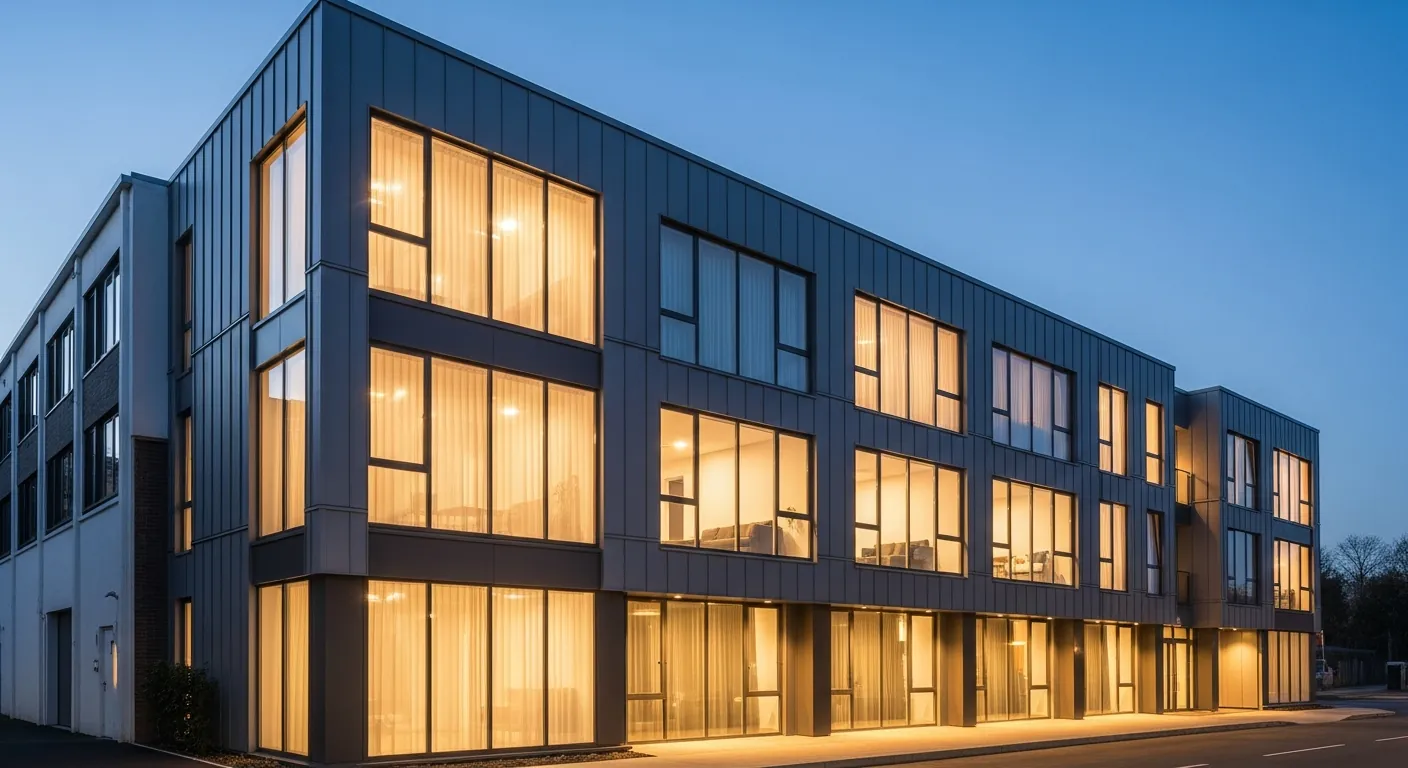
The Petroleum Building — a $14 million DDDA commitment anchoring 178 new residential units — is the largest of the three. This historic downtown office building had been losing tenants for years as remote work hollowed out demand for traditional office space. Its conversion preserves a landmark building while delivering desperately needed housing units in the urban core.
The Symes Building received $17 million in gap financing to support 116 units. The higher per-unit subsidy reflects the building's more complex structural challenges and higher finish levels. Conversions aren't one-size-fits-all — each building's floor plates, mechanical systems, and historic status create unique cost profiles that gap financing must accommodate.
The University Building at $14.5 million for 120 units is particularly notable because it targets 30-80% AMI — meaning these units will be affordable to households earning between $25,000 and $67,000 annually in Denver. This is workforce housing for teachers, healthcare workers, and service industry employees who've been priced out of downtown living.
1.3 Million Square Feet in the Pipeline
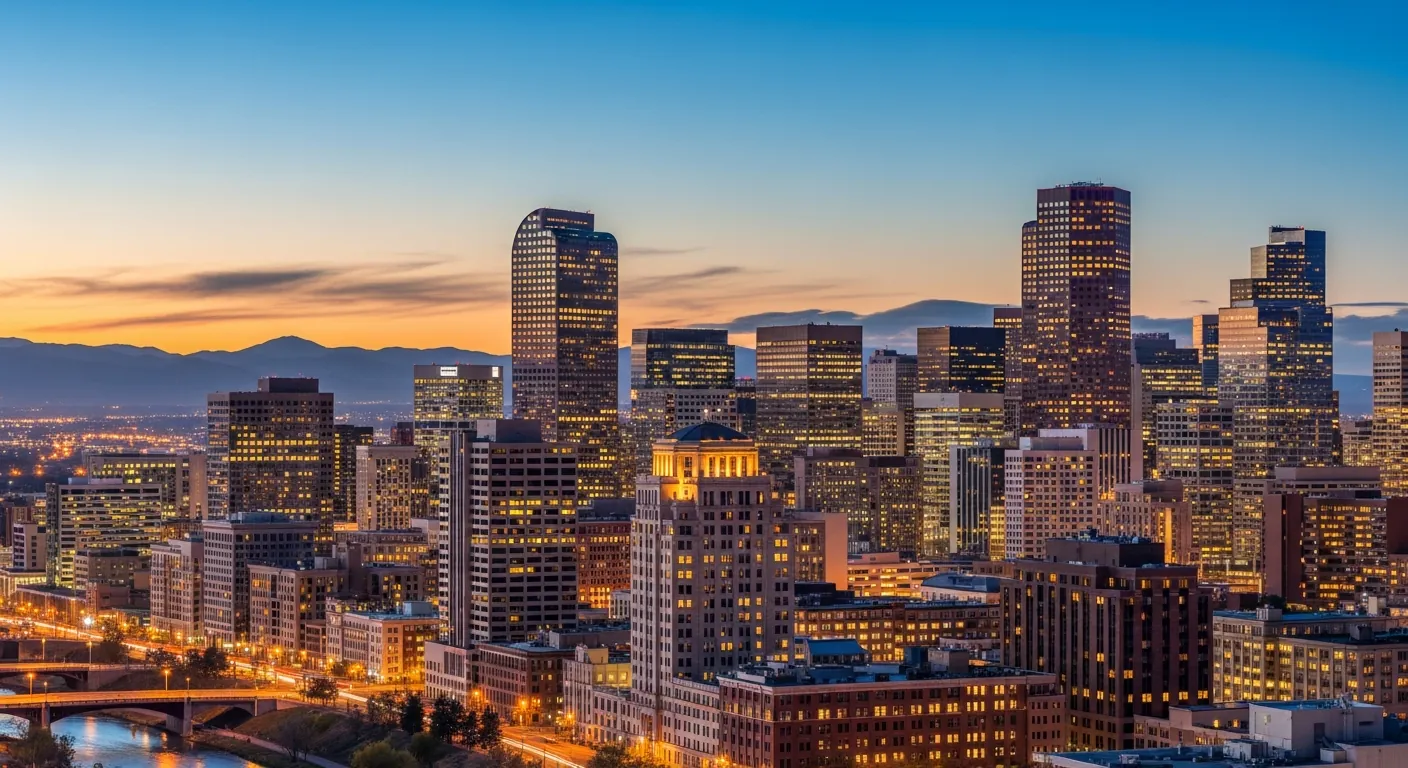
Denver now has 1.3 million square feet of office space in various stages of conversion planning. That's a remarkable pipeline for a mid-size city and reflects both the depth of office obsolescence in the market and the effectiveness of the gap financing model in unlocking private investment.
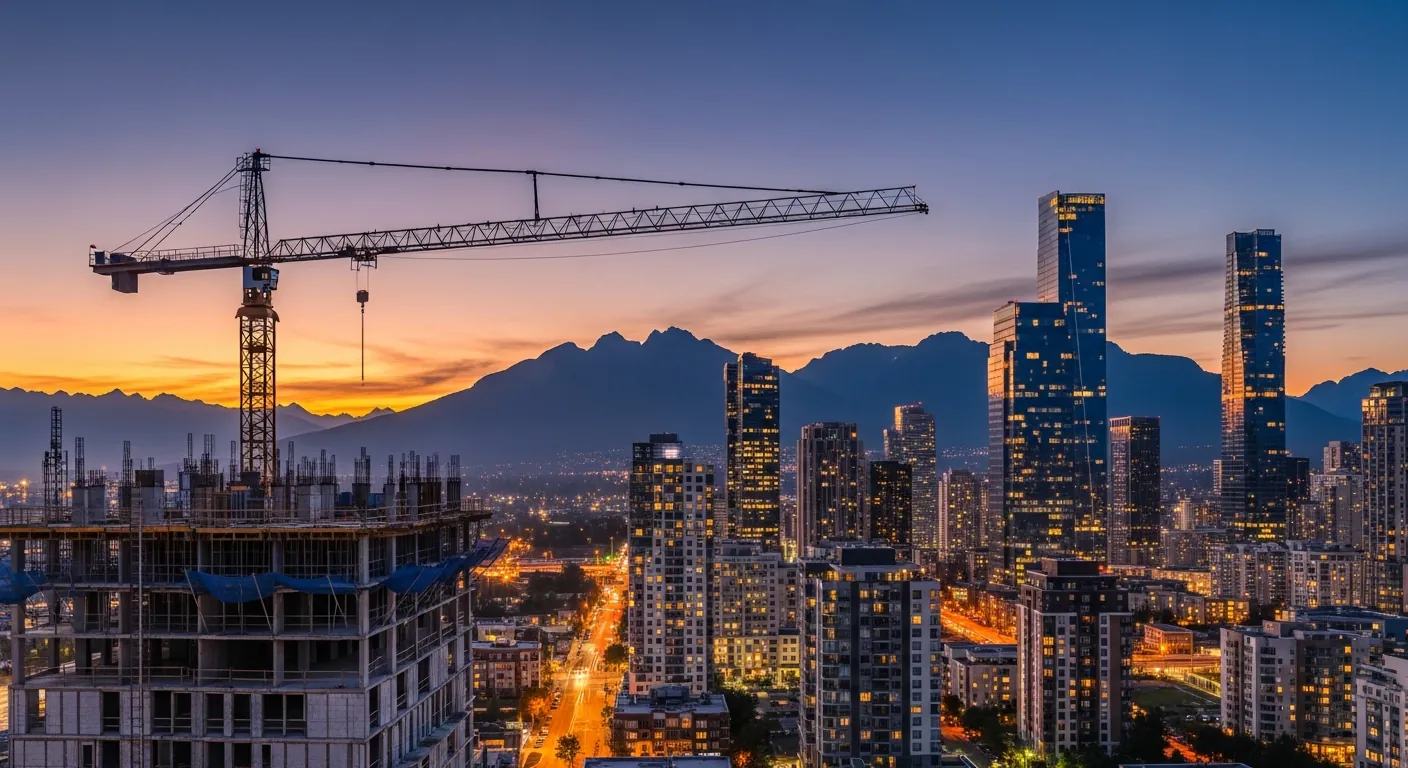
The pipeline includes projects beyond the three DDDA-financed buildings, suggesting that the market is beginning to function on its own as developers gain experience with conversion economics and lenders become more comfortable with the asset class. The structural advantages of hotel conversions versus ground-up development are also accelerating adaptive reuse activity across multiple building types.
For the adaptive reuse sector nationally, Denver is establishing proof of concept alongside cities like Washington, DC, where 20-year tax abatements are creating a blueprint for conversion success. When a city demonstrates that gap financing can unlock large-scale conversion activity, other municipalities take notice. I expect similar programs to emerge in cities facing comparable office vacancy challenges — which, given the 20.4% national vacancy rate, means most major metros.
U.S. Office-to-Residential Conversion Pipeline (2019–2026)
The office-to-residential conversion pipeline has exploded, with cities nationwide fast-tracking zoning changes and incentives to repurpose obsolete commercial space into housing.
What This Means for Investors
At F6 Partners, we've been tracking adaptive reuse as a natural extension of our housing-focused investment thesis. The Denver model illustrates several principles we believe will define the next decade of CRE investing.
First, public-private partnership is not optional for large-scale adaptive reuse — it's essential. The gap financing model creates the alignment needed to make conversions economically viable at rent levels the market actually needs.
Second, affordable and workforce housing conversions generate social impact alongside financial returns. The 30-80% AMI targeting at the University Building demonstrates that adaptive reuse can serve the populations most affected by the housing affordability crisis. For private equity managers looking at what PE in real estate actually looks like, adaptive reuse with public incentives offers a differentiated value-add strategy.
Third, the conversion pipeline creates opportunities beyond the buildings themselves. As downtown areas add residents through conversions, surrounding retail, services, and amenities benefit from increased foot traffic and spending. The multiplier effect of successful conversions can revitalize entire districts.
Denver's $56 million bet on office conversions isn't just a local story — it's a blueprint for how cities across the country can address both office obsolescence and housing shortages simultaneously. The model works, and the capital is following.
TL;DR
Denver's Downtown Development Authority committed $56 million in gap financing to convert obsolete downtown office buildings into housing — anchoring $166 million in total project funding across three landmark projects. The Petroleum Building is receiving $14M for 178 units, the Symes Building $17M for 116 units, and the University Building $14.5M for 120 units affordable at 30-80% AMI. Gap financing represents roughly 20% of total project costs, making otherwise unfeasible conversions economically viable. Denver now has 1.3 million square feet in its office-to-residential conversion pipeline, establishing the city as a national model for adaptive reuse at scale.
Why Gap Financing Changes Everything
The economics of office-to-residential conversion are brutal without public support. Construction costs run $200-$400 per square foot depending on the building, and the resulting rents — especially at affordable levels — often can't support the capital stack needed to make projects pencil.
That's where gap financing enters the picture. Denver's DDDA committed $56 million across three projects, covering approximately 20% of total project costs. This isn't a grant or a giveaway — it's strategic public investment that fills the financial gap between what the private market can support and what these conversions actually cost.
At F6 Partners, we view this model as the template for what adaptive reuse needs to scale nationally. The private sector can't do it alone at affordable rent levels, and the public sector can't build housing at any reasonable cost or speed without private expertise. Gap financing creates the alignment that makes both sides work.
Average Office-to-Residential Conversion Cost (2019–2026)
Conversion costs per unit have stabilized as developers gain experience and cities streamline approvals, making adaptive reuse increasingly competitive with new construction.
Think you know the facts behind the headlines?
5 questions · ~3 min
Three Buildings, Three Stories
Each of Denver's conversion projects tells a different story about adaptive reuse possibilities.
The Petroleum Building — a $14 million DDDA commitment anchoring 178 new residential units — is the largest of the three. This historic downtown office building had been losing tenants for years as remote work hollowed out demand for traditional office space. Its conversion preserves a landmark building while delivering desperately needed housing units in the urban core.
The Symes Building received $17 million in gap financing to support 116 units. The higher per-unit subsidy reflects the building's more complex structural challenges and higher finish levels. Conversions aren't one-size-fits-all — each building's floor plates, mechanical systems, and historic status create unique cost profiles that gap financing must accommodate.
The University Building at $14.5 million for 120 units is particularly notable because it targets 30-80% AMI — meaning these units will be affordable to households earning between $25,000 and $67,000 annually in Denver. This is workforce housing for teachers, healthcare workers, and service industry employees who've been priced out of downtown living.
1.3 Million Square Feet in the Pipeline
Denver now has 1.3 million square feet of office space in various stages of conversion planning. That's a remarkable pipeline for a mid-size city and reflects both the depth of office obsolescence in the market and the effectiveness of the gap financing model in unlocking private investment.
The pipeline includes projects beyond the three DDDA-financed buildings, suggesting that the market is beginning to function on its own as developers gain experience with conversion economics and lenders become more comfortable with the asset class. The structural advantages of hotel conversions versus ground-up development are also accelerating adaptive reuse activity across multiple building types.
For the adaptive reuse sector nationally, Denver is establishing proof of concept alongside cities like Washington, DC, where 20-year tax abatements are creating a blueprint for conversion success. When a city demonstrates that gap financing can unlock large-scale conversion activity, other municipalities take notice. I expect similar programs to emerge in cities facing comparable office vacancy challenges — which, given the 20.4% national vacancy rate, means most major metros.
U.S. Office-to-Residential Conversion Pipeline (2019–2026)
The office-to-residential conversion pipeline has exploded, with cities nationwide fast-tracking zoning changes and incentives to repurpose obsolete commercial space into housing.
What This Means for Investors
At F6 Partners, we've been tracking adaptive reuse as a natural extension of our housing-focused investment thesis. The Denver model illustrates several principles we believe will define the next decade of CRE investing.
First, public-private partnership is not optional for large-scale adaptive reuse — it's essential. The gap financing model creates the alignment needed to make conversions economically viable at rent levels the market actually needs.
Second, affordable and workforce housing conversions generate social impact alongside financial returns. The 30-80% AMI targeting at the University Building demonstrates that adaptive reuse can serve the populations most affected by the housing affordability crisis. For private equity managers looking at what PE in real estate actually looks like, adaptive reuse with public incentives offers a differentiated value-add strategy.
Third, the conversion pipeline creates opportunities beyond the buildings themselves. As downtown areas add residents through conversions, surrounding retail, services, and amenities benefit from increased foot traffic and spending. The multiplier effect of successful conversions can revitalize entire districts.
Denver's $56 million bet on office conversions isn't just a local story — it's a blueprint for how cities across the country can address both office obsolescence and housing shortages simultaneously. The model works, and the capital is following.
Test Your Knowledge
How well do you know adaptive reuse projects?

Andrew LeBaron