TL;DR
Hotel-to-residential conversions are saving developers 20-40% compared to ground-up construction by repurposing existing bathrooms, plumbing stacks, natural light, and structural elements. Average conversion timelines run 12-18 months versus 24-36 months for new builds — cutting carry costs and accelerating cash flow. Sage Investment Group is targeting 1970s-1990s hotels for workforce studio conversions. NYC's Baisley Pond project is committing $167M to convert a hotel into 318 residential units. The math is clear: conversions deliver faster, cheaper, and with less entitlement risk.
Why Conversions Win on Cost
I've been making this argument for years at F6 Partners, and the data keeps getting stronger. Hotel conversions save 20-40% on total development costs compared to building from scratch. The reason is straightforward: you're starting with a building that already has the most expensive components in place.
Bathrooms are the single most costly element in residential construction on a per-square-foot basis. Hotels already have them — one per room, plumbed and functional. Plumbing stacks, electrical risers, elevator shafts, stairwells, and structural framing are all in place. Natural light penetration through existing window lines meets residential code requirements in most jurisdictions without costly facade modifications.
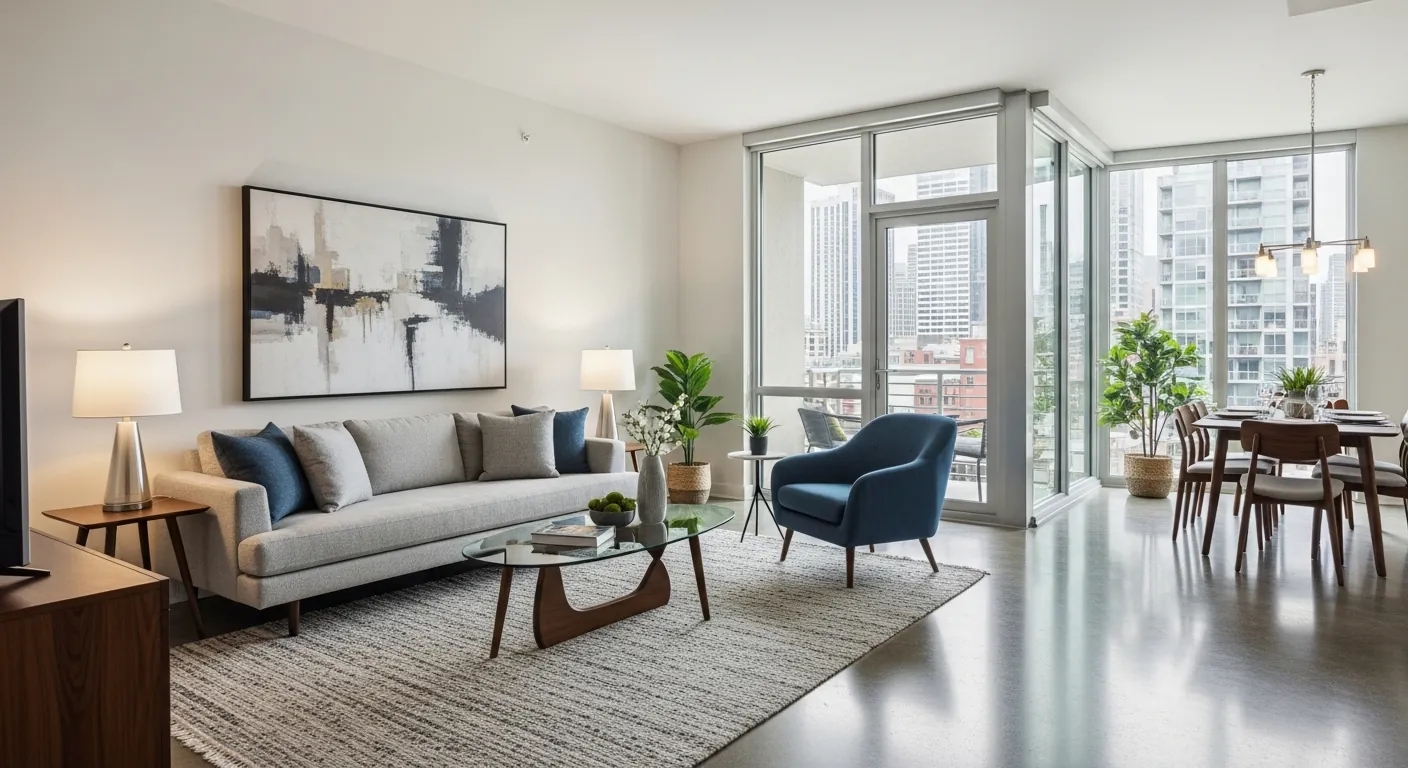
When you combine those embedded savings with the elimination of foundation work, structural steel, and exterior envelope construction, the cost advantage is massive. In markets where ground-up multifamily runs $250,000-$400,000 per unit, hotel conversions routinely come in at $150,000-$250,000 per unit depending on scope.
Hotel Conversion vs. Ground-Up Cost Per Unit ($K)
Converting hotels to housing costs roughly 30–40% less per unit than ground-up construction, making it one of the most cost-effective ways to add housing supply.
Think you know the facts behind the headlines?
5 questions · ~3 min
The 1970s-1990s Sweet Spot
Not every hotel is a good conversion candidate, and this is where experience matters. At F6 Partners, we've identified the 1970s-1990s vintage as the sweet spot for workforce housing conversions. These properties share several characteristics that make them ideal.
First, the floor plates are right. Hotels from this era typically feature rooms in the 250-350 square foot range — perfect for studio and micro-unit conversions without the need to combine or subdivide spaces. Second, the structural systems are robust. Concrete and steel construction from this period was overbuilt by today's standards, meaning the bones can handle residential loads without significant reinforcement.
Third — and this is critical — the acquisition basis is favorable. Many of these hotels were functionally obsolete for hospitality before the pandemic and traded at steep discounts to replacement cost. Post-pandemic, owners of struggling limited-service hotels are motivated sellers, creating acquisition opportunities for investors building a residential portfolio from scratch that make conversion economics even more compelling.
Sage Investment Group has built an entire strategy around this thesis, acquiring aging hotels and converting them into workforce studios that serve the missing middle of the housing market. Their approach validates what we see at F6 Partners: the best conversions aren't luxury plays — they're workforce housing solutions that address genuine affordability gaps.
NYC's Baisley Pond: $167M at Scale
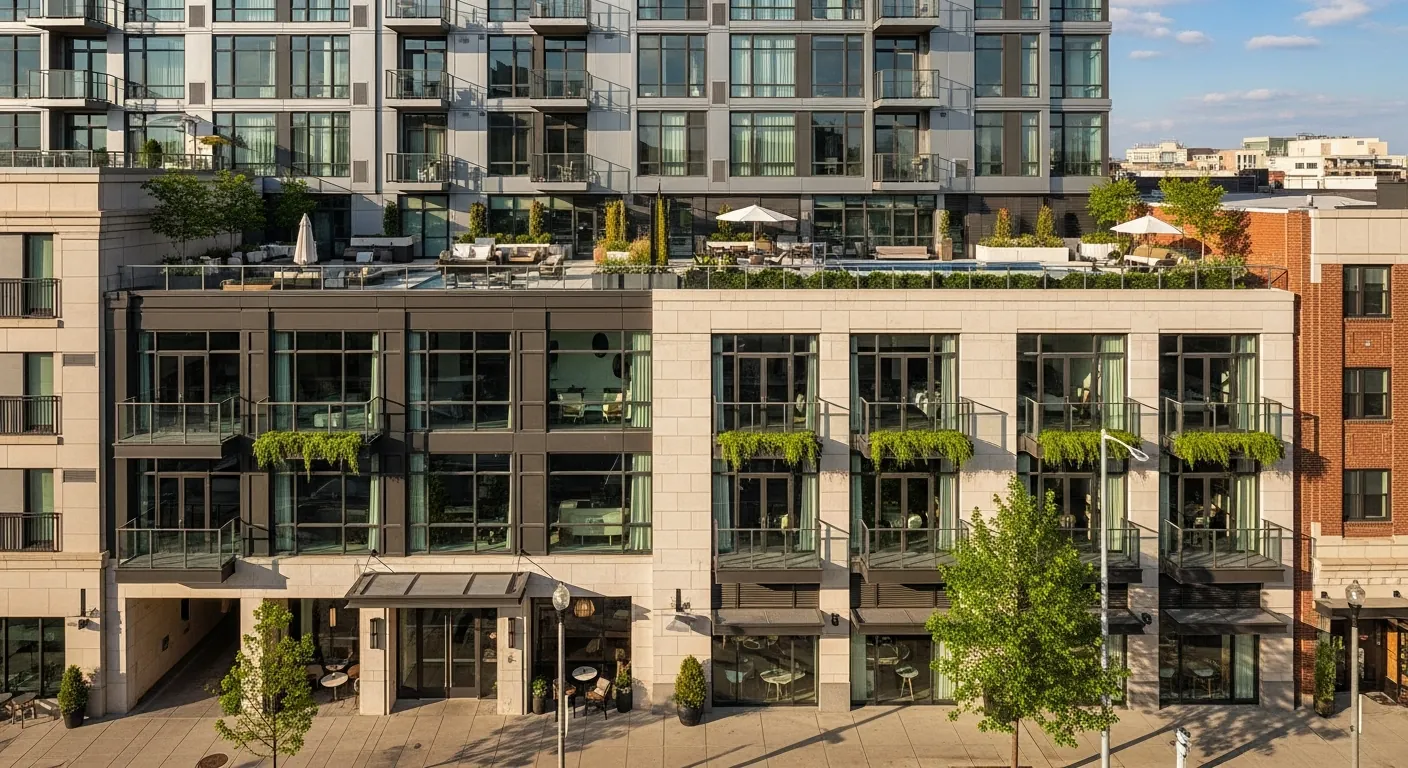
The Baisley Pond project in New York City demonstrates hotel conversion economics at institutional scale. The $167M project is converting an existing hotel into 318 residential units — approximately $525,000 per unit in one of the most expensive construction markets in the world. For context, comparable ground-up multifamily in the five boroughs regularly exceeds $700,000 per unit.
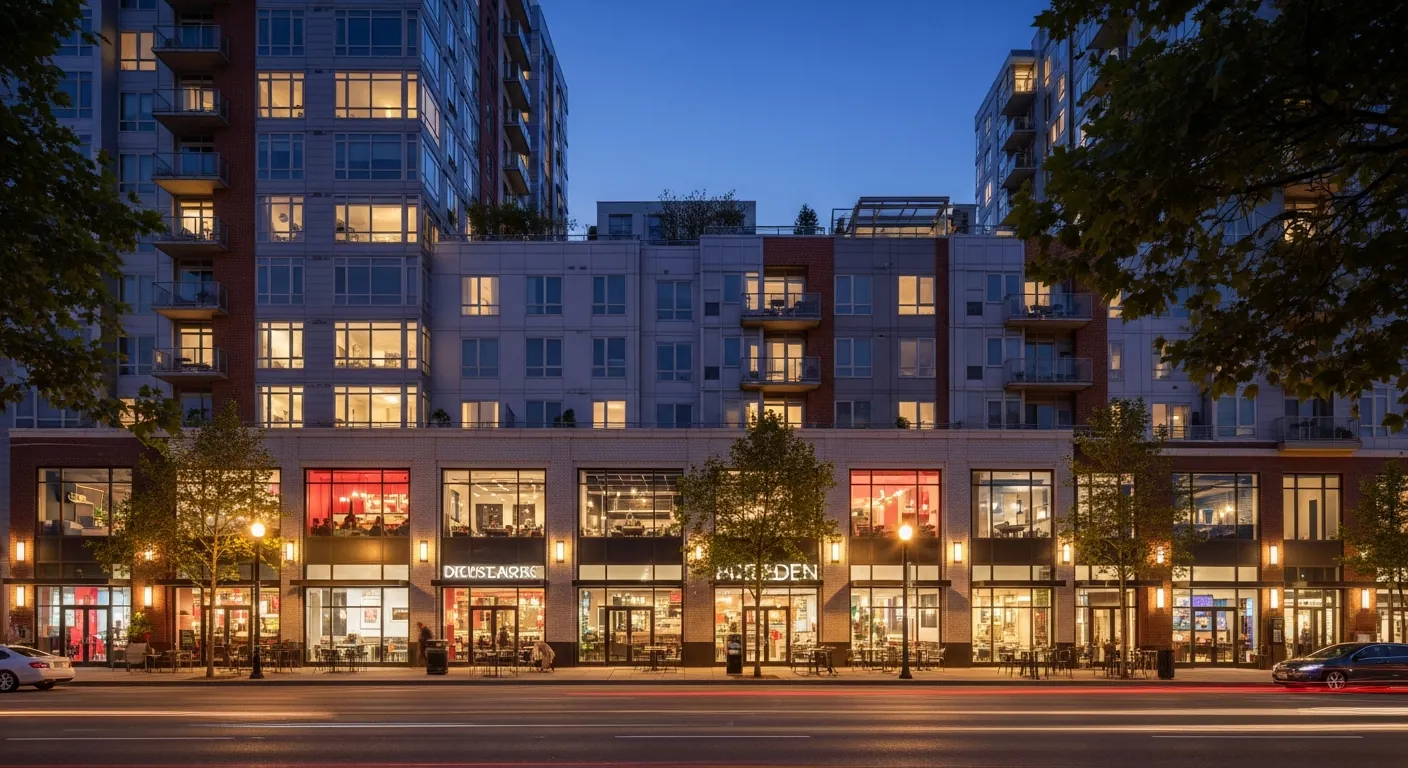
The project also highlights the regulatory tailwind supporting conversions. New York City has streamlined approvals for hotel-to-residential conversions as part of its broader strategy to address the housing crisis. Zoning variances that would take years for ground-up projects are being processed in months for conversions, further compressing timelines and reducing risk.
12-18 Months vs. 24-36 Months
The timeline advantage deserves its own emphasis because it directly impacts investor returns. A ground-up multifamily project in most major markets takes 24-36 months from construction start to first occupancy — and that's after the 12-24 months of entitlement and permitting that precedes it.
Hotel conversions typically achieve first occupancy within 12-18 months of acquisition close, a timeline advantage explored in detail in the hotel-to-housing conversion revolution. Some operators in favorable jurisdictions are hitting 9-12 months. Every month saved reduces carry costs on construction debt, accelerates the transition from negative to positive cash flow, and improves the overall IRR for investors.
At F6 Partners, we underwrite conversion timelines conservatively at 15 months and consistently outperform that estimate. The combination of cost savings, timeline compression, and reduced entitlement risk makes hotel conversions the most compelling development strategy in today's market for workforce and affordable housing.
Average Conversion Timeline vs. Ground-Up (Months)
Hotel conversions can be completed significantly faster than new construction, getting units to market in months rather than years.
TL;DR
Hotel-to-residential conversions are saving developers 20-40% compared to ground-up construction by repurposing existing bathrooms, plumbing stacks, natural light, and structural elements. Average conversion timelines run 12-18 months versus 24-36 months for new builds — cutting carry costs and accelerating cash flow. Sage Investment Group is targeting 1970s-1990s hotels for workforce studio conversions. NYC's Baisley Pond project is committing $167M to convert a hotel into 318 residential units. The math is clear: conversions deliver faster, cheaper, and with less entitlement risk.
Why Conversions Win on Cost
I've been making this argument for years at F6 Partners, and the data keeps getting stronger. Hotel conversions save 20-40% on total development costs compared to building from scratch. The reason is straightforward: you're starting with a building that already has the most expensive components in place.
Bathrooms are the single most costly element in residential construction on a per-square-foot basis. Hotels already have them — one per room, plumbed and functional. Plumbing stacks, electrical risers, elevator shafts, stairwells, and structural framing are all in place. Natural light penetration through existing window lines meets residential code requirements in most jurisdictions without costly facade modifications.
When you combine those embedded savings with the elimination of foundation work, structural steel, and exterior envelope construction, the cost advantage is massive. In markets where ground-up multifamily runs $250,000-$400,000 per unit, hotel conversions routinely come in at $150,000-$250,000 per unit depending on scope.
Hotel Conversion vs. Ground-Up Cost Per Unit ($K)
Converting hotels to housing costs roughly 30–40% less per unit than ground-up construction, making it one of the most cost-effective ways to add housing supply.
Think you know the facts behind the headlines?
5 questions · ~3 min
The 1970s-1990s Sweet Spot
Not every hotel is a good conversion candidate, and this is where experience matters. At F6 Partners, we've identified the 1970s-1990s vintage as the sweet spot for workforce housing conversions. These properties share several characteristics that make them ideal.
First, the floor plates are right. Hotels from this era typically feature rooms in the 250-350 square foot range — perfect for studio and micro-unit conversions without the need to combine or subdivide spaces. Second, the structural systems are robust. Concrete and steel construction from this period was overbuilt by today's standards, meaning the bones can handle residential loads without significant reinforcement.
Third — and this is critical — the acquisition basis is favorable. Many of these hotels were functionally obsolete for hospitality before the pandemic and traded at steep discounts to replacement cost. Post-pandemic, owners of struggling limited-service hotels are motivated sellers, creating acquisition opportunities for investors building a residential portfolio from scratch that make conversion economics even more compelling.
Sage Investment Group has built an entire strategy around this thesis, acquiring aging hotels and converting them into workforce studios that serve the missing middle of the housing market. Their approach validates what we see at F6 Partners: the best conversions aren't luxury plays — they're workforce housing solutions that address genuine affordability gaps.
NYC's Baisley Pond: $167M at Scale
The Baisley Pond project in New York City demonstrates hotel conversion economics at institutional scale. The $167M project is converting an existing hotel into 318 residential units — approximately $525,000 per unit in one of the most expensive construction markets in the world. For context, comparable ground-up multifamily in the five boroughs regularly exceeds $700,000 per unit.
The project also highlights the regulatory tailwind supporting conversions. New York City has streamlined approvals for hotel-to-residential conversions as part of its broader strategy to address the housing crisis. Zoning variances that would take years for ground-up projects are being processed in months for conversions, further compressing timelines and reducing risk.
12-18 Months vs. 24-36 Months
The timeline advantage deserves its own emphasis because it directly impacts investor returns. A ground-up multifamily project in most major markets takes 24-36 months from construction start to first occupancy — and that's after the 12-24 months of entitlement and permitting that precedes it.
Hotel conversions typically achieve first occupancy within 12-18 months of acquisition close, a timeline advantage explored in detail in the hotel-to-housing conversion revolution. Some operators in favorable jurisdictions are hitting 9-12 months. Every month saved reduces carry costs on construction debt, accelerates the transition from negative to positive cash flow, and improves the overall IRR for investors.
At F6 Partners, we underwrite conversion timelines conservatively at 15 months and consistently outperform that estimate. The combination of cost savings, timeline compression, and reduced entitlement risk makes hotel conversions the most compelling development strategy in today's market for workforce and affordable housing.
Average Conversion Timeline vs. Ground-Up (Months)
Hotel conversions can be completed significantly faster than new construction, getting units to market in months rather than years.
Test Your Knowledge
How well do you know hotel conversion projects?

Andrew LeBaron