TL;DR
New York City is converting 12+ former migrant shelter hotels into more than 1,100 permanent apartments. The headline deal is the Stewart Hotel — a $500 million project ($255 million acquisition) that will create 579 permanently affordable apartments through a partnership between Slate Property Group and Breaking Ground. Hotels are faster and cheaper to convert than offices because they already have individual plumbing, natural light, and residential-scale room configurations. This is adaptive reuse at its most impactful.
The Stewart Hotel Deal
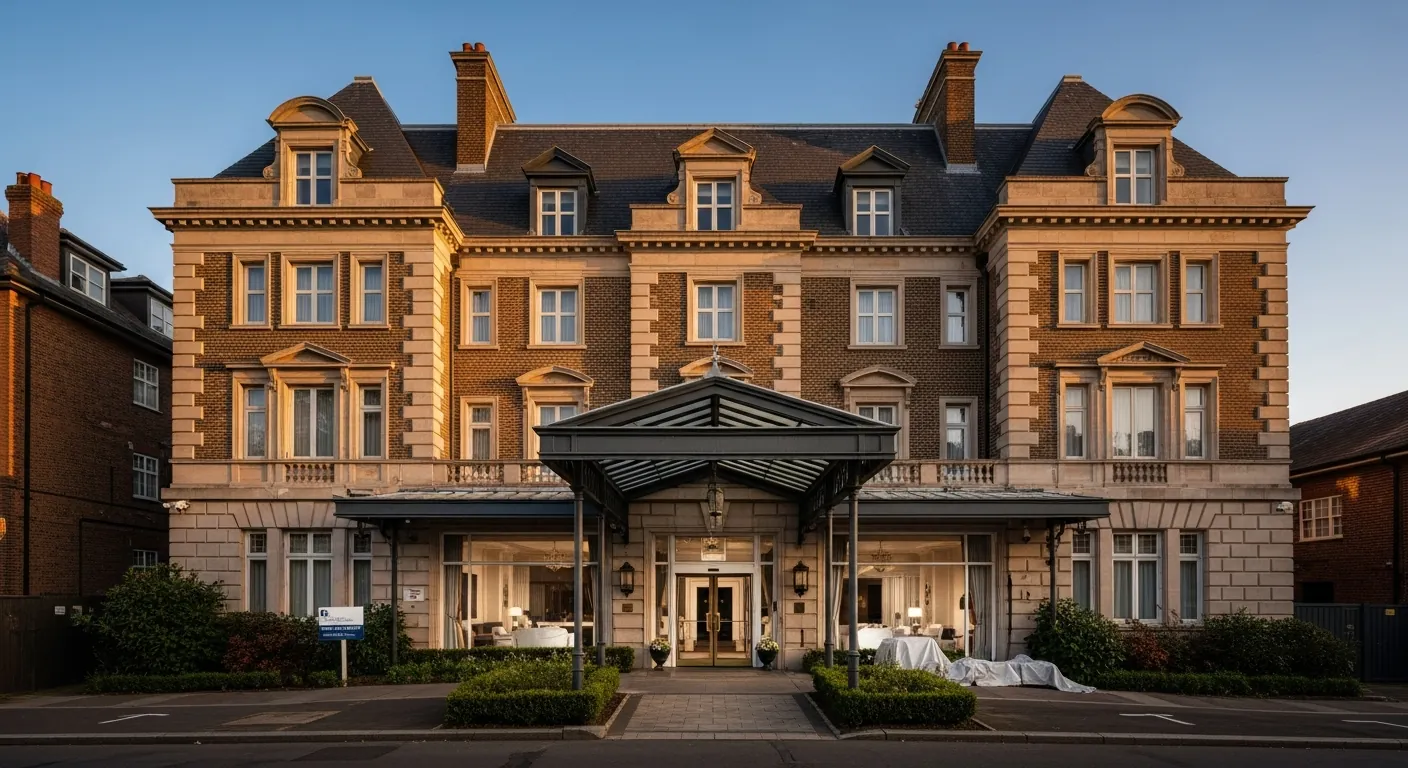
Let me break down the deal that's setting the template for hotel-to-affordable-housing conversion at scale. The Stewart Hotel, a full-service property in Midtown Manhattan, is being transformed into 579 permanently affordable apartments. The numbers tell the story:
- Acquisition cost: $255 million
- Total project cost: $500 million (including renovation and conversion)
- Unit count: 579 permanently affordable apartments
- Partners: Slate Property Group and Breaking Ground
- Affordability commitment: Permanent — not 15 or 20 years, but permanent
The Slate Property Group and Breaking Ground partnership is particularly compelling. Slate brings development expertise and capital markets relationships. Breaking Ground is one of New York's most experienced affordable housing operators, with decades of experience managing supportive housing for vulnerable populations. It's the kind of partnership that combines financial sophistication with mission-driven execution.
At F6 Partners, we've been advocates for hotel conversion as an adaptive reuse strategy since the early days of the pandemic. As we detailed in our analysis of the hotel conversion revolution transforming room keys into house keys, the structural advantages of hotels over offices for residential conversion are significant. The Stewart Hotel deal validates everything we've been saying about this asset class at a scale that commands attention.
Think you know the facts behind the headlines?
5 questions · ~3 min
Why Hotels Convert Better Than Offices
I get this question constantly, and the answer comes down to physical infrastructure. Hotels were designed to house people overnight, which means they already have the two most expensive elements of residential conversion built in: individual bathrooms and natural light.
Every hotel room has its own bathroom with plumbing roughed in. Every hotel room has a window. Every hotel room has HVAC designed for individual occupant control. These are the exact elements that make office-to-residential conversions so expensive and time-consuming.
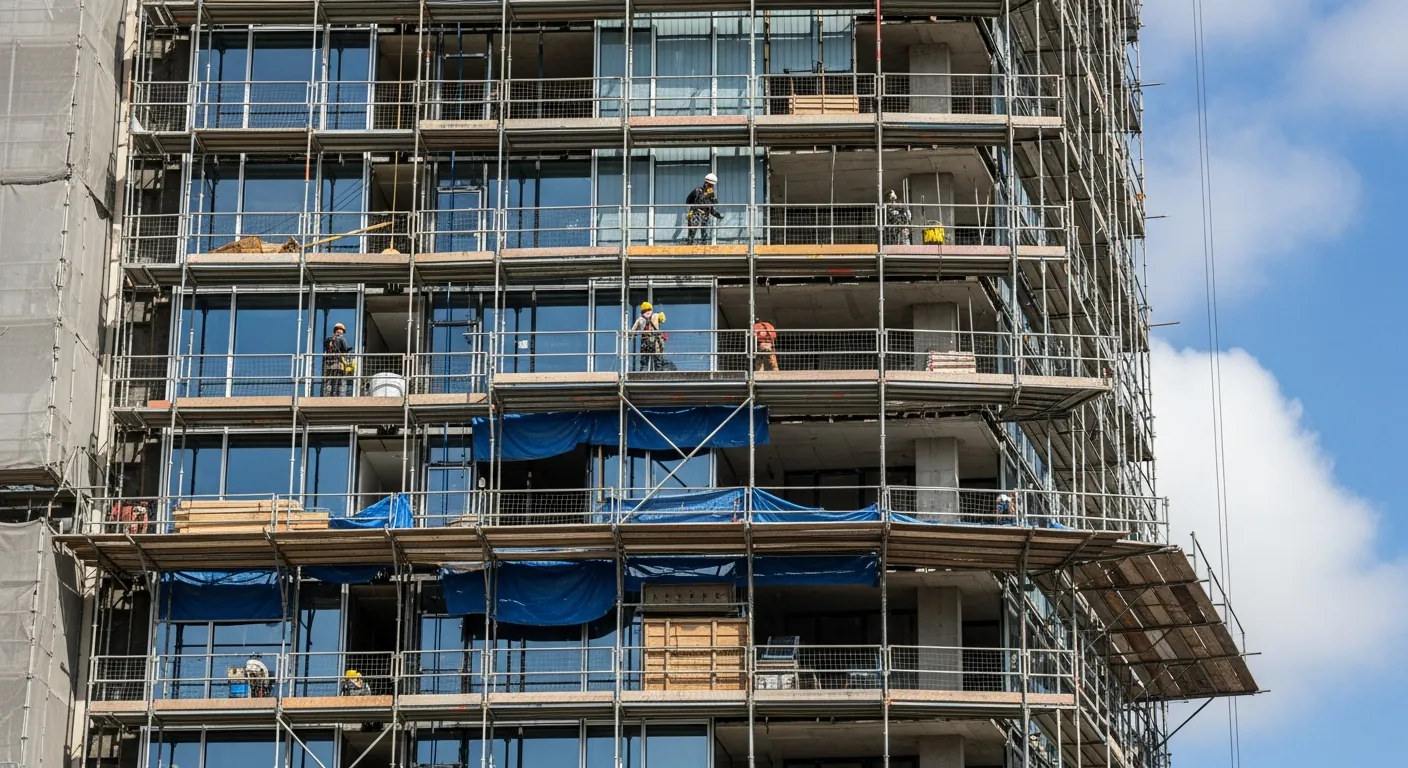
When you convert a hotel to apartments, the primary work is adding kitchenettes, upgrading finishes, and reconfiguring common areas. The structural shell, plumbing stacks, electrical risers, and window configurations are already residential-ready. That's why hotel conversions typically cost $80-$150 per square foot compared to $200-$400 for office conversions. We broke down these economics in detail in our piece on the hotel conversion cost advantage versus ground-up development.
The speed advantage is equally important. Hotel conversion timelines run 12-18 months from acquisition to occupancy, compared to 24-36 months for ground-up construction and often longer for complex office conversions. In a housing crisis, speed matters.
Conversion Cost per Sqft: Hotels vs. Offices (2019–2026)
Hotels convert to housing at significantly lower cost per square foot than offices, making them the most economically viable candidates for adaptive reuse projects.
The Broader NYC Pipeline
The Stewart Hotel isn't an isolated project. New York City has identified 12+ former migrant shelter hotels for conversion into permanent housing, targeting more than 1,100 total apartments. The city government is actively facilitating these conversions through streamlined permitting and financial incentives.
These properties share common characteristics that make them ideal conversion candidates. They were already being used as temporary housing for migrant families, so the transition to permanent residential use is both practical and politically supported. They're located in established neighborhoods with existing infrastructure, transit access, and services. And they're available at price points that, while significant, are substantially below the cost of new construction.
The political dynamics are worth noting. Affordable housing is one of the rare issues that generates bipartisan support at the local level. Converting former shelter hotels into permanent affordable housing addresses two political priorities simultaneously — reducing the shelter population and creating desperately needed affordable units. The broader policy momentum — including the LIHTC expansion in the One Big Beautiful Bill — is creating additional tailwinds for affordable conversion projects nationwide.
NYC Hotel-to-Housing Conversion Units (2019–2026)
New York City's hotel-to-housing pipeline has accelerated as the city leverages conversions to address its acute affordable housing crisis and absorb migrant populations.
Faith and Purpose in Real Estate
I want to share something personal here. My faith teaches me that how we treat the most vulnerable among us reflects our true character. The hotel conversion model — taking properties that served as temporary shelters and transforming them into permanent homes — embodies a principle I hold deeply: that business can be a force for good.
At F6 Partners, we don't separate our values from our investment strategy. We believe that the most profitable opportunities often align with the greatest social needs. Affordable housing is profitable because demand is insatiable. Hotel conversions are efficient because the infrastructure already exists. And serving families who need stable, permanent housing is simply the right thing to do.
The NYC hotel conversion pipeline is proof that doing well and doing good aren't mutually exclusive. They're complementary.
TL;DR
New York City is converting 12+ former migrant shelter hotels into more than 1,100 permanent apartments. The headline deal is the Stewart Hotel — a $500 million project ($255 million acquisition) that will create 579 permanently affordable apartments through a partnership between Slate Property Group and Breaking Ground. Hotels are faster and cheaper to convert than offices because they already have individual plumbing, natural light, and residential-scale room configurations. This is adaptive reuse at its most impactful.
The Stewart Hotel Deal
Let me break down the deal that's setting the template for hotel-to-affordable-housing conversion at scale. The Stewart Hotel, a full-service property in Midtown Manhattan, is being transformed into 579 permanently affordable apartments. The numbers tell the story:
- Acquisition cost: $255 million
- Total project cost: $500 million (including renovation and conversion)
- Unit count: 579 permanently affordable apartments
- Partners: Slate Property Group and Breaking Ground
- Affordability commitment: Permanent — not 15 or 20 years, but permanent
The Slate Property Group and Breaking Ground partnership is particularly compelling. Slate brings development expertise and capital markets relationships. Breaking Ground is one of New York's most experienced affordable housing operators, with decades of experience managing supportive housing for vulnerable populations. It's the kind of partnership that combines financial sophistication with mission-driven execution.
At F6 Partners, we've been advocates for hotel conversion as an adaptive reuse strategy since the early days of the pandemic. As we detailed in our analysis of the hotel conversion revolution transforming room keys into house keys, the structural advantages of hotels over offices for residential conversion are significant. The Stewart Hotel deal validates everything we've been saying about this asset class at a scale that commands attention.
Think you know the facts behind the headlines?
5 questions · ~3 min
Why Hotels Convert Better Than Offices
I get this question constantly, and the answer comes down to physical infrastructure. Hotels were designed to house people overnight, which means they already have the two most expensive elements of residential conversion built in: individual bathrooms and natural light.
Every hotel room has its own bathroom with plumbing roughed in. Every hotel room has a window. Every hotel room has HVAC designed for individual occupant control. These are the exact elements that make office-to-residential conversions so expensive and time-consuming.
When you convert a hotel to apartments, the primary work is adding kitchenettes, upgrading finishes, and reconfiguring common areas. The structural shell, plumbing stacks, electrical risers, and window configurations are already residential-ready. That's why hotel conversions typically cost $80-$150 per square foot compared to $200-$400 for office conversions. We broke down these economics in detail in our piece on the hotel conversion cost advantage versus ground-up development.
The speed advantage is equally important. Hotel conversion timelines run 12-18 months from acquisition to occupancy, compared to 24-36 months for ground-up construction and often longer for complex office conversions. In a housing crisis, speed matters.
Conversion Cost per Sqft: Hotels vs. Offices (2019–2026)
Hotels convert to housing at significantly lower cost per square foot than offices, making them the most economically viable candidates for adaptive reuse projects.
The Broader NYC Pipeline
The Stewart Hotel isn't an isolated project. New York City has identified 12+ former migrant shelter hotels for conversion into permanent housing, targeting more than 1,100 total apartments. The city government is actively facilitating these conversions through streamlined permitting and financial incentives.
These properties share common characteristics that make them ideal conversion candidates. They were already being used as temporary housing for migrant families, so the transition to permanent residential use is both practical and politically supported. They're located in established neighborhoods with existing infrastructure, transit access, and services. And they're available at price points that, while significant, are substantially below the cost of new construction.
The political dynamics are worth noting. Affordable housing is one of the rare issues that generates bipartisan support at the local level. Converting former shelter hotels into permanent affordable housing addresses two political priorities simultaneously — reducing the shelter population and creating desperately needed affordable units. The broader policy momentum — including the LIHTC expansion in the One Big Beautiful Bill — is creating additional tailwinds for affordable conversion projects nationwide.
NYC Hotel-to-Housing Conversion Units (2019–2026)
New York City's hotel-to-housing pipeline has accelerated as the city leverages conversions to address its acute affordable housing crisis and absorb migrant populations.
Faith and Purpose in Real Estate
I want to share something personal here. My faith teaches me that how we treat the most vulnerable among us reflects our true character. The hotel conversion model — taking properties that served as temporary shelters and transforming them into permanent homes — embodies a principle I hold deeply: that business can be a force for good.
At F6 Partners, we don't separate our values from our investment strategy. We believe that the most profitable opportunities often align with the greatest social needs. Affordable housing is profitable because demand is insatiable. Hotel conversions are efficient because the infrastructure already exists. And serving families who need stable, permanent housing is simply the right thing to do.
The NYC hotel conversion pipeline is proof that doing well and doing good aren't mutually exclusive. They're complementary.
Test Your Knowledge
How well do you know hotel conversion projects?

Andrew LeBaron