TL;DR
Washington DC's Housing in Downtown Program offers 20-year tax abatements for office-to-residential conversions — the most generous incentive structure in the country. DC's conversion pipeline has reached 6,533 units, a 12% year-over-year increase. San Francisco has updated building codes to facilitate conversions. Seattle offers a sales and use tax deferral program. New York's 467-m tax exemption is driving projects across the city. But converting offices to housing isn't simple: projects typically need 20%+ gap financing, and buildings from the 1960s-1980s with smaller floor plates work best.
DC's 20-Year Tax Abatement: The Game Changer
I've been following adaptive reuse incentives across every major market for years at F6 Partners, and nothing comes close to what Washington DC is offering. The Housing in Downtown Program provides a full 20-year tax abatement for qualifying office-to-residential conversions in the downtown core.
Twenty years. That's not a typo, and it's not a minor incentive — it's transformational project economics. Property taxes represent one of the largest operating expenses for multifamily housing, typically 15-25% of effective gross income in major markets. Eliminating that expense for two decades fundamentally changes what's feasible.
A conversion project that might pencil at a 5.5% stabilized yield with full taxes can reach 7.5-8.5% with the abatement. That's the difference between a marginal deal and a compelling one. It's the difference between needing sub-4% debt to make the math work and being profitable with current market rates.
The result is visible in the pipeline: DC's conversion inventory has reached 6,533 units, up 12% year-over-year. Developers are responding to the incentive exactly as policymakers hoped, combining these tax benefits with the conversion cost advantages that make hotel and office reuse 20-40% cheaper than ground-up construction.
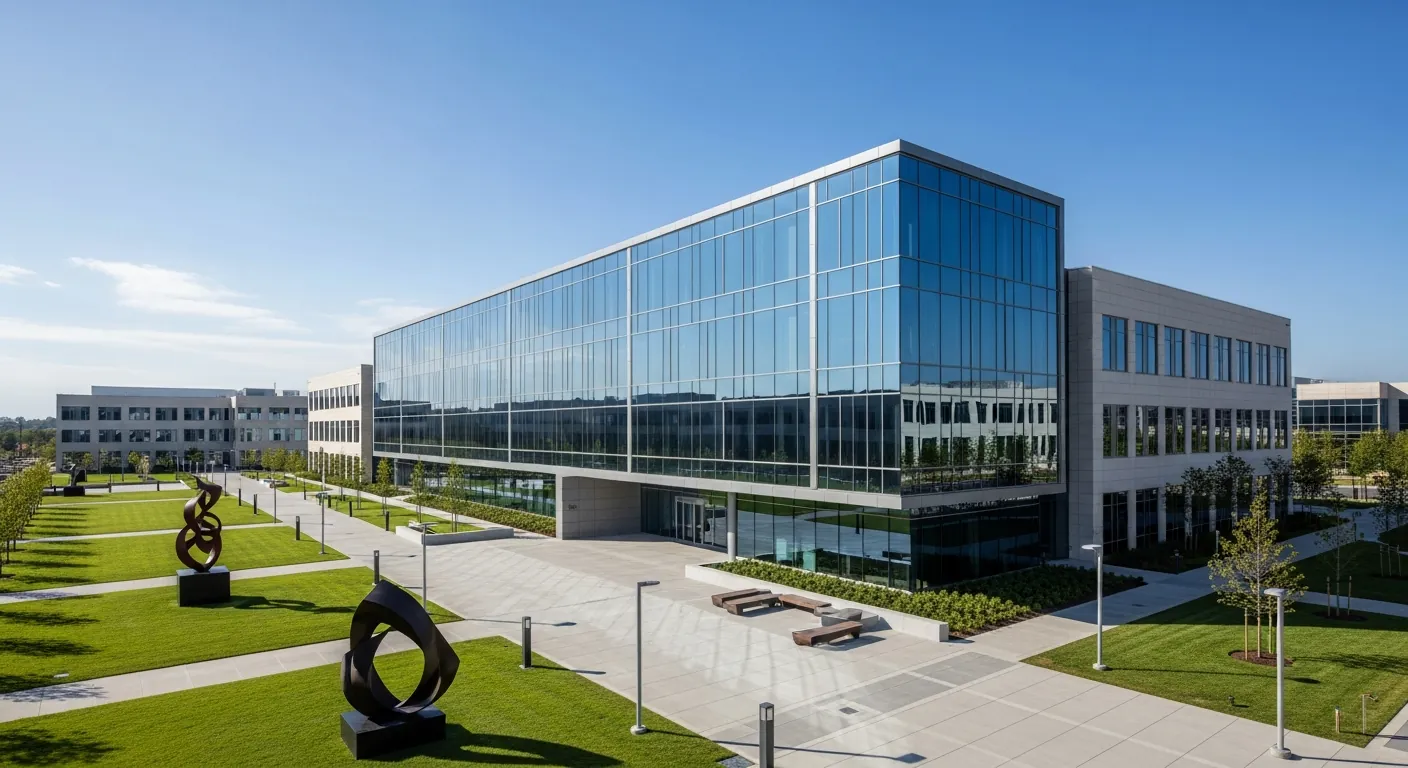
DC Office-to-Residential Conversion Pipeline (Units)
Washington D.C.'s conversion pipeline has exploded as federal office downsizing creates a wave of empty buildings that are being repurposed into apartments.
Think you know the facts behind the headlines?
5 questions · ~3 min
The National Incentive Landscape
DC isn't alone in incentivizing conversions, though it leads the pack by a wide margin. The recognition that obsolete office space can address housing shortages has created a wave of policy innovation across major cities.
San Francisco has updated its building codes to reduce regulatory barriers for office-to-residential conversions. The changes streamline the approval process, relax certain residential requirements for converted buildings, and reduce the compliance costs that made conversions prohibitively expensive under the old code. For a city with both severe office vacancy and a desperate housing shortage, these reforms address both problems simultaneously.
Seattle has implemented a sales and use tax deferral program for conversion projects. While less dramatic than DC's approach, the deferral provides meaningful cash flow relief during the construction period when developers are spending capital without generating revenue. The program effectively reduces the total development cost by eliminating a significant tax obligation during the conversion phase.
New York's 467-m tax exemption has become a catalyst for conversion activity across the five boroughs. The program provides property tax exemptions for qualifying conversions, and it's driving projects in Manhattan, Brooklyn, and other boroughs where the Manhattan metamorphosis of office-to-residential conversions is accelerating.
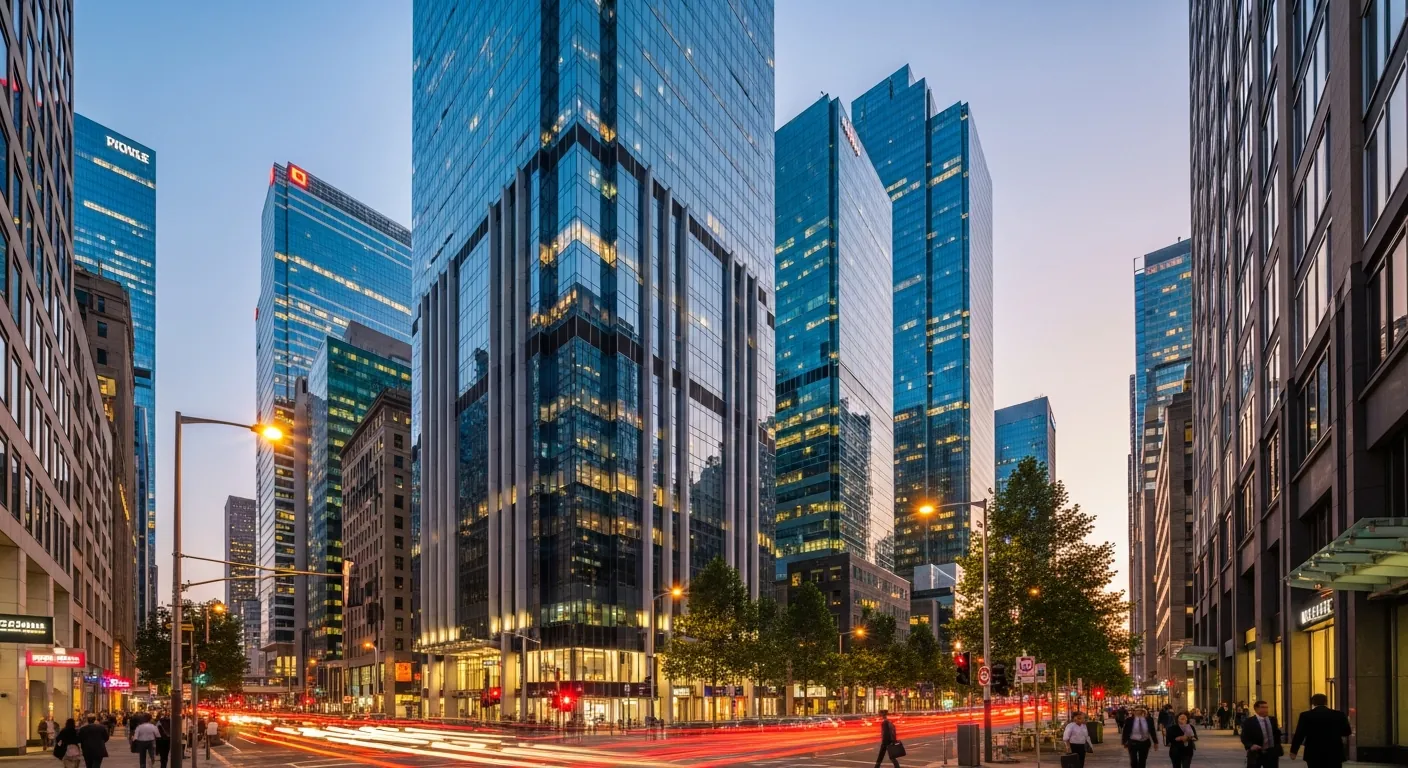
Cities With Active Conversion Incentive Programs
The number of cities offering conversion incentives has grown rapidly, reflecting growing municipal recognition that adaptive reuse solves both office vacancy and housing shortage.
Why 1960s-1980s Buildings Work Best
Not every office building is a good conversion candidate, and understanding the structural differences is critical for underwriting. At F6 Partners, we've learned through direct experience that buildings from the 1960s through the 1980s represent the sweet spot for residential conversion.

The key factor is floor plate size. Older office buildings from this era typically have floor plates of 10,000-15,000 square feet — small enough that residential units can achieve the window access required by building codes. Deeper floor plates common in buildings from the 1990s and 2000s create interior spaces too far from windows for residential use, requiring expensive light wells or courtyards that destroy the conversion economics.
Structural systems from this era — typically reinforced concrete or steel frame — can accommodate residential loads and plumbing penetrations without major reinforcement. Ceiling heights are generally adequate for residential use after accounting for mechanical distribution. And the buildings are old enough that their office market value has depreciated significantly, creating favorable acquisition bases.
The 20%+ Gap Financing Reality
Here's the part of the conversion story that doesn't make headlines: most conversion projects require 20% or more gap financing beyond conventional debt and sponsor equity. The gap exists because conversion costs — while lower than ground-up — are still substantial, and the rent achievable from converted units in many markets doesn't support the total capital stack at current interest rates without supplemental incentives or creative capital structures.
This is where the policy incentives become essential rather than optional. Tax abatements, historic tax credits, LIHTC expansion through the One Big Beautiful Bill, and local housing authority gap financing programs fill the capital structure gap that makes conversions pencil. Without these programs, most conversion projects would remain on paper.
At F6 Partners, our expertise in navigating these incentive programs — identifying qualifying properties, structuring the capital stack to maximize available subsidies, and managing the compliance requirements throughout the holding period — is a core competitive advantage. The operators who succeed in adaptive reuse aren't just good at construction. They're good at policy, finance, and long-term asset management. That's the full picture, and it's where we deliver value for our investor partners.
Conversion Stabilized Yield With vs. Without Abatement (%)
Tax abatements can boost conversion project yields by 150–200 basis points, making the difference between marginal and highly attractive investment returns.
TL;DR
Washington DC's Housing in Downtown Program offers 20-year tax abatements for office-to-residential conversions — the most generous incentive structure in the country. DC's conversion pipeline has reached 6,533 units, a 12% year-over-year increase. San Francisco has updated building codes to facilitate conversions. Seattle offers a sales and use tax deferral program. New York's 467-m tax exemption is driving projects across the city. But converting offices to housing isn't simple: projects typically need 20%+ gap financing, and buildings from the 1960s-1980s with smaller floor plates work best.
DC's 20-Year Tax Abatement: The Game Changer
I've been following adaptive reuse incentives across every major market for years at F6 Partners, and nothing comes close to what Washington DC is offering. The Housing in Downtown Program provides a full 20-year tax abatement for qualifying office-to-residential conversions in the downtown core.
Twenty years. That's not a typo, and it's not a minor incentive — it's transformational project economics. Property taxes represent one of the largest operating expenses for multifamily housing, typically 15-25% of effective gross income in major markets. Eliminating that expense for two decades fundamentally changes what's feasible.
A conversion project that might pencil at a 5.5% stabilized yield with full taxes can reach 7.5-8.5% with the abatement. That's the difference between a marginal deal and a compelling one. It's the difference between needing sub-4% debt to make the math work and being profitable with current market rates.
The result is visible in the pipeline: DC's conversion inventory has reached 6,533 units, up 12% year-over-year. Developers are responding to the incentive exactly as policymakers hoped, combining these tax benefits with the conversion cost advantages that make hotel and office reuse 20-40% cheaper than ground-up construction.
DC Office-to-Residential Conversion Pipeline (Units)
Washington D.C.'s conversion pipeline has exploded as federal office downsizing creates a wave of empty buildings that are being repurposed into apartments.
Think you know the facts behind the headlines?
5 questions · ~3 min
The National Incentive Landscape
DC isn't alone in incentivizing conversions, though it leads the pack by a wide margin. The recognition that obsolete office space can address housing shortages has created a wave of policy innovation across major cities.
San Francisco has updated its building codes to reduce regulatory barriers for office-to-residential conversions. The changes streamline the approval process, relax certain residential requirements for converted buildings, and reduce the compliance costs that made conversions prohibitively expensive under the old code. For a city with both severe office vacancy and a desperate housing shortage, these reforms address both problems simultaneously.
Seattle has implemented a sales and use tax deferral program for conversion projects. While less dramatic than DC's approach, the deferral provides meaningful cash flow relief during the construction period when developers are spending capital without generating revenue. The program effectively reduces the total development cost by eliminating a significant tax obligation during the conversion phase.
New York's 467-m tax exemption has become a catalyst for conversion activity across the five boroughs. The program provides property tax exemptions for qualifying conversions, and it's driving projects in Manhattan, Brooklyn, and other boroughs where the Manhattan metamorphosis of office-to-residential conversions is accelerating.
Cities With Active Conversion Incentive Programs
The number of cities offering conversion incentives has grown rapidly, reflecting growing municipal recognition that adaptive reuse solves both office vacancy and housing shortage.
Why 1960s-1980s Buildings Work Best
Not every office building is a good conversion candidate, and understanding the structural differences is critical for underwriting. At F6 Partners, we've learned through direct experience that buildings from the 1960s through the 1980s represent the sweet spot for residential conversion.
The key factor is floor plate size. Older office buildings from this era typically have floor plates of 10,000-15,000 square feet — small enough that residential units can achieve the window access required by building codes. Deeper floor plates common in buildings from the 1990s and 2000s create interior spaces too far from windows for residential use, requiring expensive light wells or courtyards that destroy the conversion economics.
Structural systems from this era — typically reinforced concrete or steel frame — can accommodate residential loads and plumbing penetrations without major reinforcement. Ceiling heights are generally adequate for residential use after accounting for mechanical distribution. And the buildings are old enough that their office market value has depreciated significantly, creating favorable acquisition bases.
The 20%+ Gap Financing Reality
Here's the part of the conversion story that doesn't make headlines: most conversion projects require 20% or more gap financing beyond conventional debt and sponsor equity. The gap exists because conversion costs — while lower than ground-up — are still substantial, and the rent achievable from converted units in many markets doesn't support the total capital stack at current interest rates without supplemental incentives or creative capital structures.
This is where the policy incentives become essential rather than optional. Tax abatements, historic tax credits, LIHTC expansion through the One Big Beautiful Bill, and local housing authority gap financing programs fill the capital structure gap that makes conversions pencil. Without these programs, most conversion projects would remain on paper.
At F6 Partners, our expertise in navigating these incentive programs — identifying qualifying properties, structuring the capital stack to maximize available subsidies, and managing the compliance requirements throughout the holding period — is a core competitive advantage. The operators who succeed in adaptive reuse aren't just good at construction. They're good at policy, finance, and long-term asset management. That's the full picture, and it's where we deliver value for our investor partners.
Conversion Stabilized Yield With vs. Without Abatement (%)
Tax abatements can boost conversion project yields by 150–200 basis points, making the difference between marginal and highly attractive investment returns.
Test Your Knowledge
How well do you know adaptive reuse projects?

Andrew LeBaron