TL;DR
New York City has emerged as the undisputed leader in office-to-residential conversions with 8,310 units in the pipeline and 4.1 million square feet already converted by August 2025. The landmark 25 Water Street project is transforming 1.1 million SF into more than 1,300 apartments under a 35-year tax abatement. The city's 467-m Tax Exemption under the AHCC Program offers up to 90% tax exemption for qualifying conversions. Midtown accounts for more than 50% of post-2020 conversions, and Class A assets now represent 33% of conversions compared to just 5.5% pre-2020. Manhattan is being reimagined, and the playbook is being written in real time.
The Numbers Are Staggering
Let me give you the scale of what's happening in Manhattan because the numbers are unlike anything we've seen in American real estate.
The conversion pipeline stands at 8,310 residential units across dozens of projects. By August 2025, 4.1 million square feet of former office space will have been converted to residential use. That's the equivalent of approximately 40 office buildings completely transformed into apartment communities.
The pace is accelerating, not slowing. In the five years before 2020, NYC averaged about 200 conversion units per year. Today, the pipeline represents more than a decade of pre-pandemic conversion activity happening simultaneously. This isn't evolution — it's revolution.
Midtown Manhattan accounts for more than 50% of all post-2020 conversions, which makes sense when you consider the neighborhood's massive inventory of aging office buildings and its excellent transit access. The shift from commercial to residential is transforming entire blocks, bringing round-the-clock activity to areas that previously emptied out at 6 PM.
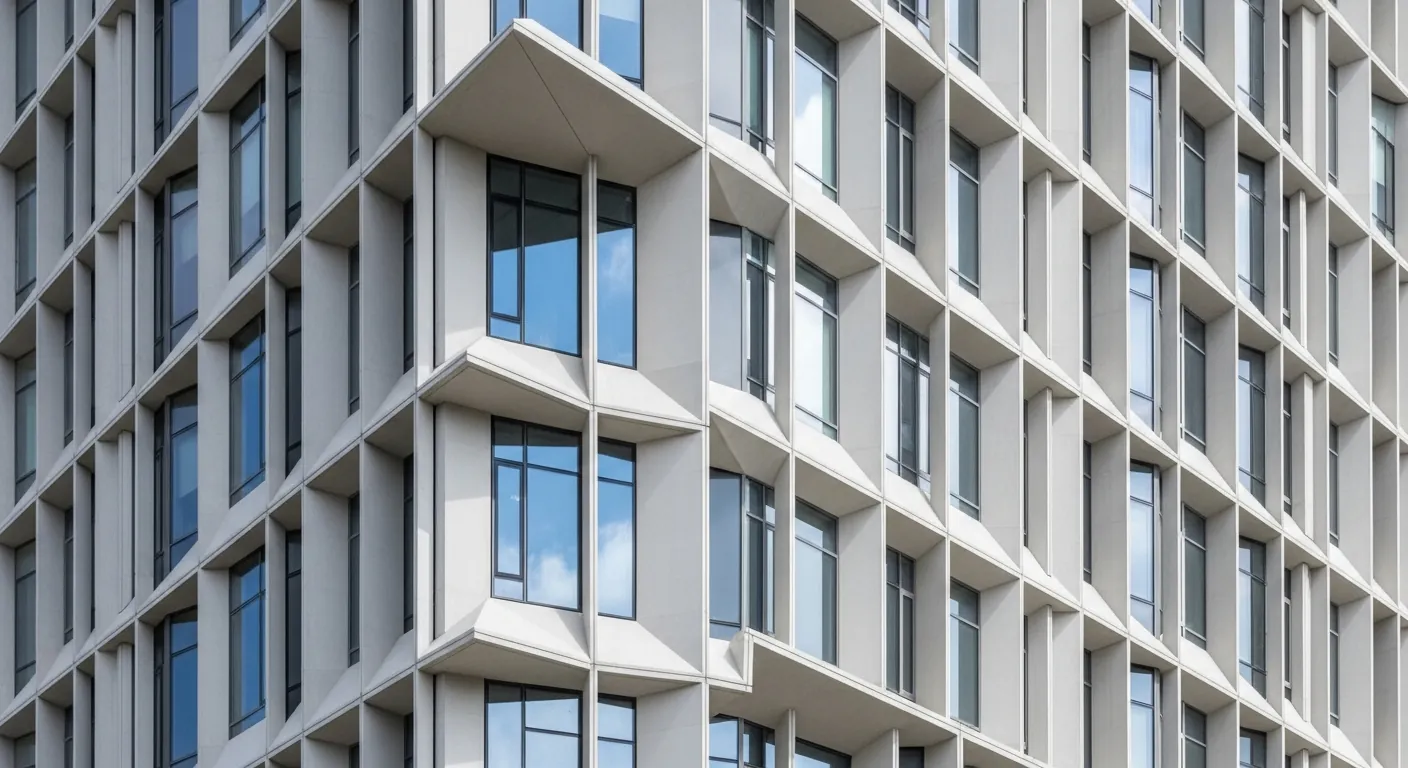
NYC Office-to-Residential Conversion Units (2019–2026)
New York City's office-to-residential conversion pipeline has skyrocketed, driven by supportive zoning changes and an acute housing shortage in the nation's largest city.
Think you know the facts behind the headlines?
5 questions · ~3 min
The Policy Engine
The conversion wave isn't happening organically — it's being driven by some of the most aggressive real estate tax policy in the country. Understanding the policy mechanics is essential for any investor evaluating this space.
The 467-m Tax Exemption, created under the Affordable Housing from Commercial Conversions (AHCC) Program, offers qualifying projects up to 90% property tax exemption. In a city where property taxes can run $30-50 per square foot, that exemption fundamentally changes the conversion economics.
The 25 Water Street project illustrates the power of these incentives perfectly. GFP Real Estate is converting 1.1 million square feet — one of the largest office buildings in Lower Manhattan — into more than 1,300 apartments under a 35-year tax abatement. The project includes affordable units as required by the program, creating mixed-income housing in one of the most desirable neighborhoods in the world.
These aren't temporary incentives. A 35-year tax abatement provides multi-generational certainty for investors. When you can underwrite a project knowing that your tax burden is reduced by up to 90% for three and a half decades, the risk profile changes dramatically.
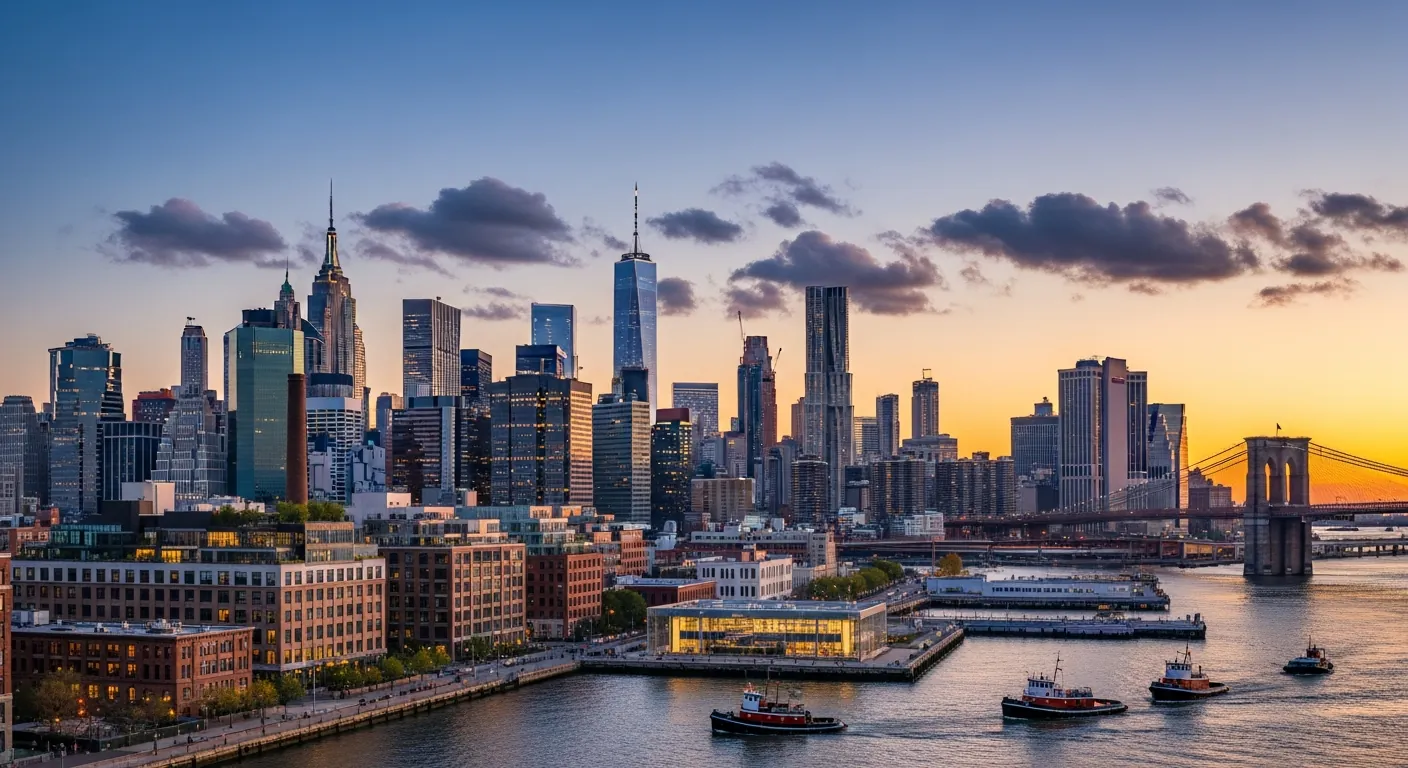
Manhattan Office Vacancy Rate (2019–2026)
Manhattan office vacancy has climbed to historically elevated levels as remote work reshapes demand, though premium Class A space continues to outperform.
From Class A Office to Class A Living
One of the most notable trends in the current conversion wave is the quality of buildings being converted. Before 2020, Class A assets represented just 5.5% of office-to-residential conversions. Today, that figure has jumped to 33%.
This shift reflects a fundamental change in how the market views premium office space. Many Class A buildings from the 1970s through 1990s — while well-built and well-located — no longer meet the requirements of modern tenants who want column-free floor plates, high ceilings, and state-of-the-art building systems. Rather than spend hundreds of millions on office renovation, owners are joining the record-breaking adaptive reuse wave.
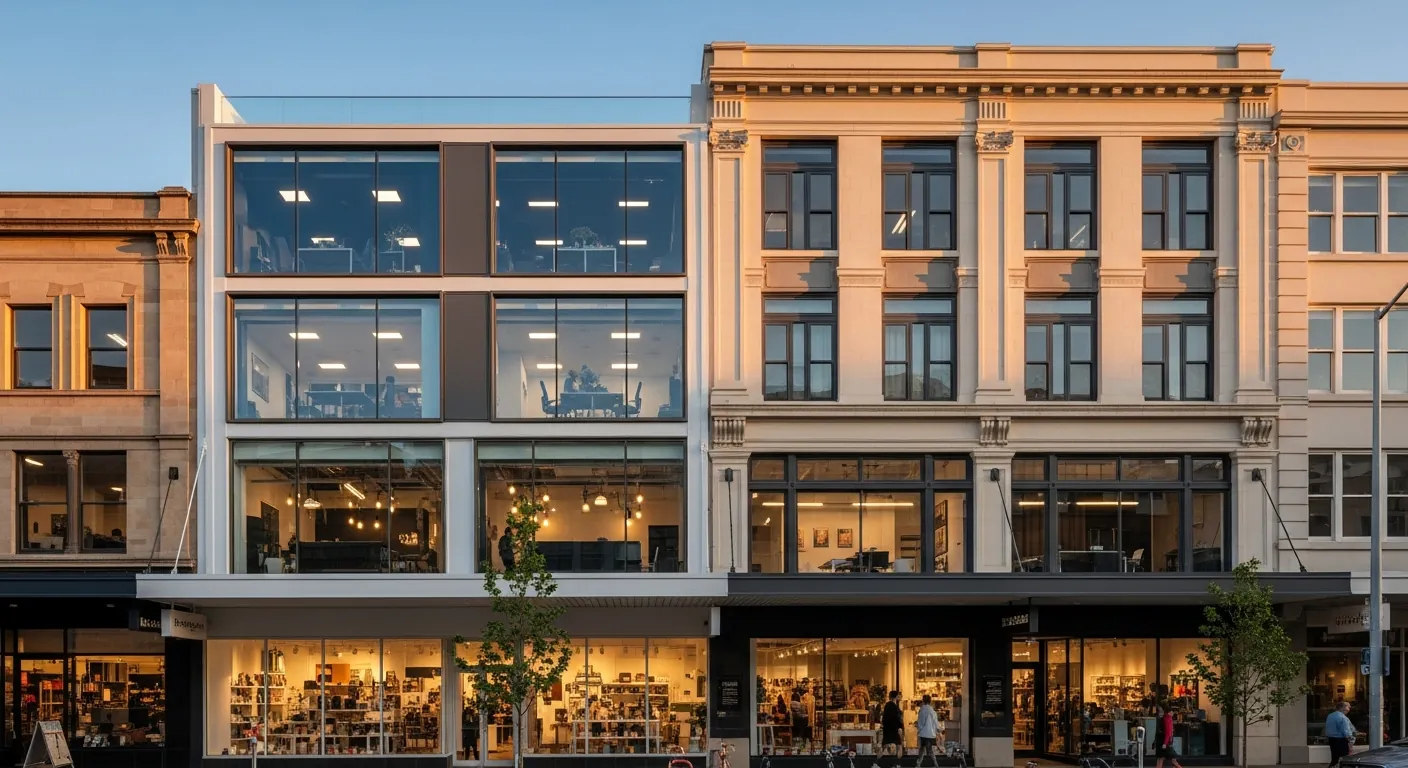
The quality of these conversions is impressive. Former Class A office buildings offer superior structural systems, better floor-to-ceiling heights, and premium locations. The resulting apartments often compete favorably with new construction in terms of finish quality while offering unique architectural character.
For investors, the involvement of Class A assets signals maturation of the conversion thesis. This isn't about salvaging distressed properties — it's about the highest-quality buildings in the best locations being repurposed for their highest and best use.
Class A Share of Office-to-Residential Conversions (2019–2025)
Even Class A office buildings are now being converted to residential, signaling a fundamental shift in how the market values premium commercial space.
What Other Cities Can Learn
New York's conversion success isn't just a local story — it's a template for cities across America grappling with office vacancy and housing shortages.
The key lessons are clear:
- Policy drives outcomes. Without the 467-m Tax Exemption and the AHCC Program, many of these conversions wouldn't pencil. Cities that want to encourage conversions need to create meaningful financial incentives, not just streamlined permitting.
- Scale matters. NYC's willingness to support large-scale conversions — not just individual buildings but entire neighborhoods — creates the critical mass needed to transform districts from commercial to mixed-use.
- Affordability requirements work. By tying tax incentives to affordable housing inclusion, NYC is ensuring that conversions create housing across income levels, not just luxury apartments.
- Speed is essential. The conversion pipeline has exploded because the policy framework allows projects to move quickly. Cities that add bureaucratic layers will kill the economics.
At F6 Partners, we're studying the NYC model closely — alongside the hotel-to-apartment conversion revolution — because we believe the conversion wave will spread to other major cities — Chicago, San Francisco, Washington D.C., and others with significant Class B and C office vacancy. The economic logic is too compelling, and the housing need is too urgent for this to remain a New York phenomenon.
Manhattan's metamorphosis is proving that American cities can reinvent themselves when policy, capital, and market need align. It's one of the most exciting stories in real estate today, and we're just getting started.
TL;DR
New York City has emerged as the undisputed leader in office-to-residential conversions with 8,310 units in the pipeline and 4.1 million square feet already converted by August 2025. The landmark 25 Water Street project is transforming 1.1 million SF into more than 1,300 apartments under a 35-year tax abatement. The city's 467-m Tax Exemption under the AHCC Program offers up to 90% tax exemption for qualifying conversions. Midtown accounts for more than 50% of post-2020 conversions, and Class A assets now represent 33% of conversions compared to just 5.5% pre-2020. Manhattan is being reimagined, and the playbook is being written in real time.
The Numbers Are Staggering
Let me give you the scale of what's happening in Manhattan because the numbers are unlike anything we've seen in American real estate.
The conversion pipeline stands at 8,310 residential units across dozens of projects. By August 2025, 4.1 million square feet of former office space will have been converted to residential use. That's the equivalent of approximately 40 office buildings completely transformed into apartment communities.
The pace is accelerating, not slowing. In the five years before 2020, NYC averaged about 200 conversion units per year. Today, the pipeline represents more than a decade of pre-pandemic conversion activity happening simultaneously. This isn't evolution — it's revolution.
Midtown Manhattan accounts for more than 50% of all post-2020 conversions, which makes sense when you consider the neighborhood's massive inventory of aging office buildings and its excellent transit access. The shift from commercial to residential is transforming entire blocks, bringing round-the-clock activity to areas that previously emptied out at 6 PM.
NYC Office-to-Residential Conversion Units (2019–2026)
New York City's office-to-residential conversion pipeline has skyrocketed, driven by supportive zoning changes and an acute housing shortage in the nation's largest city.
Think you know the facts behind the headlines?
5 questions · ~3 min
The Policy Engine
The conversion wave isn't happening organically — it's being driven by some of the most aggressive real estate tax policy in the country. Understanding the policy mechanics is essential for any investor evaluating this space.
The 467-m Tax Exemption, created under the Affordable Housing from Commercial Conversions (AHCC) Program, offers qualifying projects up to 90% property tax exemption. In a city where property taxes can run $30-50 per square foot, that exemption fundamentally changes the conversion economics.
The 25 Water Street project illustrates the power of these incentives perfectly. GFP Real Estate is converting 1.1 million square feet — one of the largest office buildings in Lower Manhattan — into more than 1,300 apartments under a 35-year tax abatement. The project includes affordable units as required by the program, creating mixed-income housing in one of the most desirable neighborhoods in the world.
These aren't temporary incentives. A 35-year tax abatement provides multi-generational certainty for investors. When you can underwrite a project knowing that your tax burden is reduced by up to 90% for three and a half decades, the risk profile changes dramatically.
Manhattan Office Vacancy Rate (2019–2026)
Manhattan office vacancy has climbed to historically elevated levels as remote work reshapes demand, though premium Class A space continues to outperform.
From Class A Office to Class A Living
One of the most notable trends in the current conversion wave is the quality of buildings being converted. Before 2020, Class A assets represented just 5.5% of office-to-residential conversions. Today, that figure has jumped to 33%.
This shift reflects a fundamental change in how the market views premium office space. Many Class A buildings from the 1970s through 1990s — while well-built and well-located — no longer meet the requirements of modern tenants who want column-free floor plates, high ceilings, and state-of-the-art building systems. Rather than spend hundreds of millions on office renovation, owners are joining the record-breaking adaptive reuse wave.
The quality of these conversions is impressive. Former Class A office buildings offer superior structural systems, better floor-to-ceiling heights, and premium locations. The resulting apartments often compete favorably with new construction in terms of finish quality while offering unique architectural character.
For investors, the involvement of Class A assets signals maturation of the conversion thesis. This isn't about salvaging distressed properties — it's about the highest-quality buildings in the best locations being repurposed for their highest and best use.
Class A Share of Office-to-Residential Conversions (2019–2025)
Even Class A office buildings are now being converted to residential, signaling a fundamental shift in how the market values premium commercial space.
What Other Cities Can Learn
New York's conversion success isn't just a local story — it's a template for cities across America grappling with office vacancy and housing shortages.
The key lessons are clear:
- Policy drives outcomes. Without the 467-m Tax Exemption and the AHCC Program, many of these conversions wouldn't pencil. Cities that want to encourage conversions need to create meaningful financial incentives, not just streamlined permitting.
- Scale matters. NYC's willingness to support large-scale conversions — not just individual buildings but entire neighborhoods — creates the critical mass needed to transform districts from commercial to mixed-use.
- Affordability requirements work. By tying tax incentives to affordable housing inclusion, NYC is ensuring that conversions create housing across income levels, not just luxury apartments.
- Speed is essential. The conversion pipeline has exploded because the policy framework allows projects to move quickly. Cities that add bureaucratic layers will kill the economics.
At F6 Partners, we're studying the NYC model closely — alongside the hotel-to-apartment conversion revolution — because we believe the conversion wave will spread to other major cities — Chicago, San Francisco, Washington D.C., and others with significant Class B and C office vacancy. The economic logic is too compelling, and the housing need is too urgent for this to remain a New York phenomenon.
Manhattan's metamorphosis is proving that American cities can reinvent themselves when policy, capital, and market need align. It's one of the most exciting stories in real estate today, and we're just getting started.
Test Your Knowledge
How well do you know adaptive reuse projects?

Andrew LeBaron