TL;DR
The office-to-apartment conversion pipeline has reached a record 70,700 units, surging from 55,300 in 2024. Office conversions now represent 42% of all adaptive reuse projects nationally. New York City is leading the charge with 8,310 units in the pipeline, followed by Washington, D.C. with 6,533 units. Supportive policy changes at the local and state level are turning what was once a niche strategy into a mainstream development approach.
The Record-Breaking Pipeline
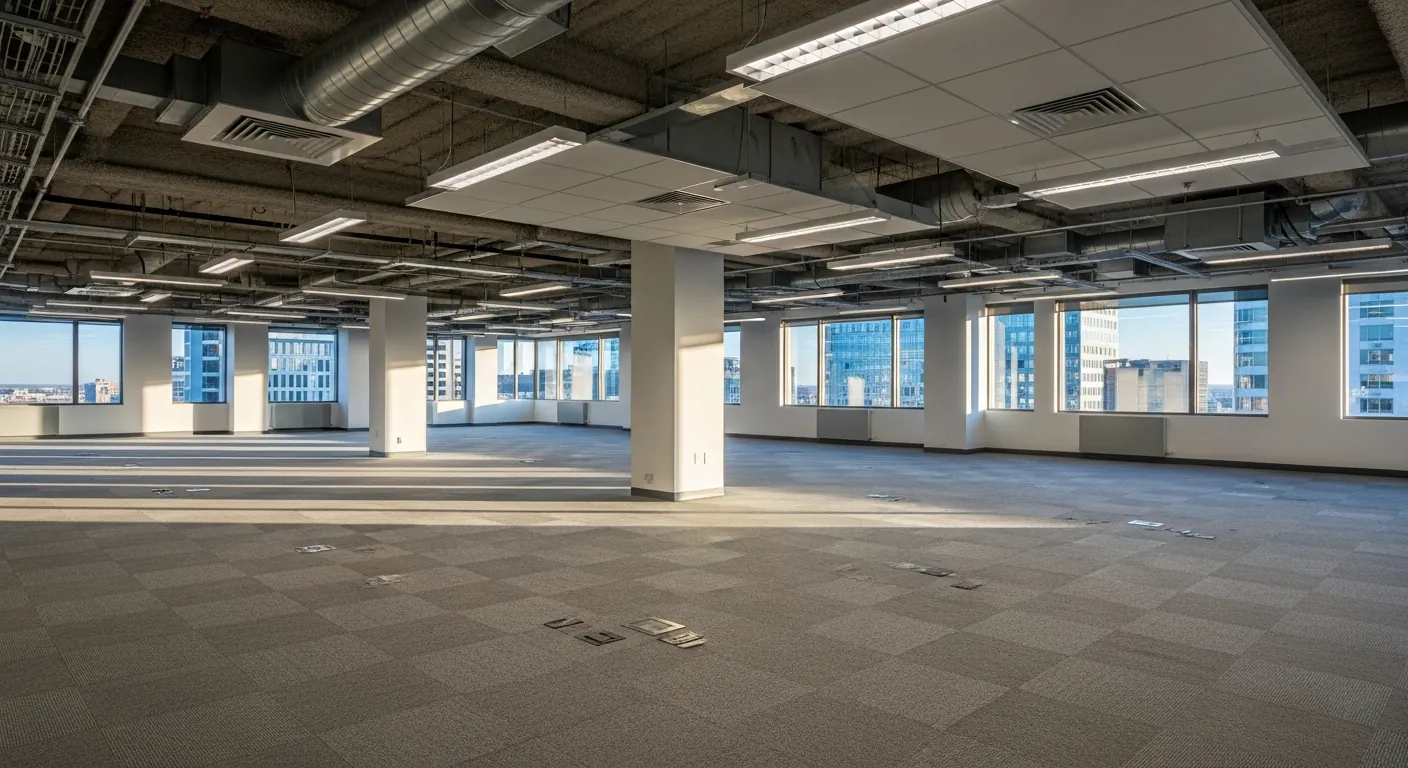
Adaptive reuse — specifically the conversion of obsolete office buildings into residential apartments — has gone from industry conference talking point to real development pipeline. The numbers are staggering: 70,700 apartment units are now in the office conversion pipeline nationally, representing a 28% increase from the 55,300 units tracked in 2024.
This isn't just growth. It's acceleration. And it reflects a fundamental market truth that took years to fully manifest: remote and hybrid work permanently reduced demand for certain categories of office space, particularly older Class B and C buildings without modern amenities. These buildings were functionally obsolete for office use but structurally sound — perfect candidates for conversion to residential.
The math that makes conversions work is straightforward. In many major markets, you can acquire an obsolete office building at $50-100 per square foot and convert it to residential for a total basis that's 30-40% below the cost of ground-up construction. When the alternative is tearing down and rebuilding, that's a compelling economic argument.
Office-to-Apartment Conversion Pipeline (Units)
The office-to-residential conversion pipeline has surged to a record 70,700 units, as cities incentivize repurposing obsolete commercial space into much-needed housing.
Think you know the facts behind the headlines?
5 questions · ~3 min
NYC Leads the Way
New York City sits at the top of the conversion leaderboard with 8,310 units in the pipeline. This shouldn't surprise anyone who's been watching Lower Manhattan's transformation. The financial district, which was overbuilt with office space decades ago, has become one of the city's fastest-growing residential neighborhoods precisely because of office conversions.
Washington, D.C. follows with 6,533 units, driven by a similar dynamic: government agencies consolidating space, private office tenants downsizing, and a persistent housing shortage that makes residential demand virtually insatiable.
Other cities in the top tier include Chicago, Los Angeles, and Dallas — all markets where the combination of obsolete office inventory and housing demand creates conversion opportunities.
What's notable is the scale of individual projects. We're seeing conversions of 200,000-500,000 square foot buildings that produce 300-600 apartment units per project. These aren't small renovations — they're transformative developments that reshape entire neighborhoods.
Top Office Conversion Cities by Units (2025)
New York City, Washington D.C., and Chicago lead the nation in office conversion activity, together accounting for nearly half of all units in the pipeline.
Adaptive reuse isn't just a real estate strategy — it's an urbanization strategy. Converting obsolete offices to housing revitalizes neighborhoods, preserves embodied carbon, and addresses the housing crisis simultaneously. It's rare to find a development approach with this many stakeholder benefits.
— Jonathan Rose, Founder, Jonathan Rose Companies
Policy Is the Catalyst
The record pipeline wouldn't exist without supportive policy changes, and this is where the story gets really interesting. Cities across the country are recognizing that office conversions solve two problems simultaneously: they address housing shortages and they prevent commercial districts from hollowing out.
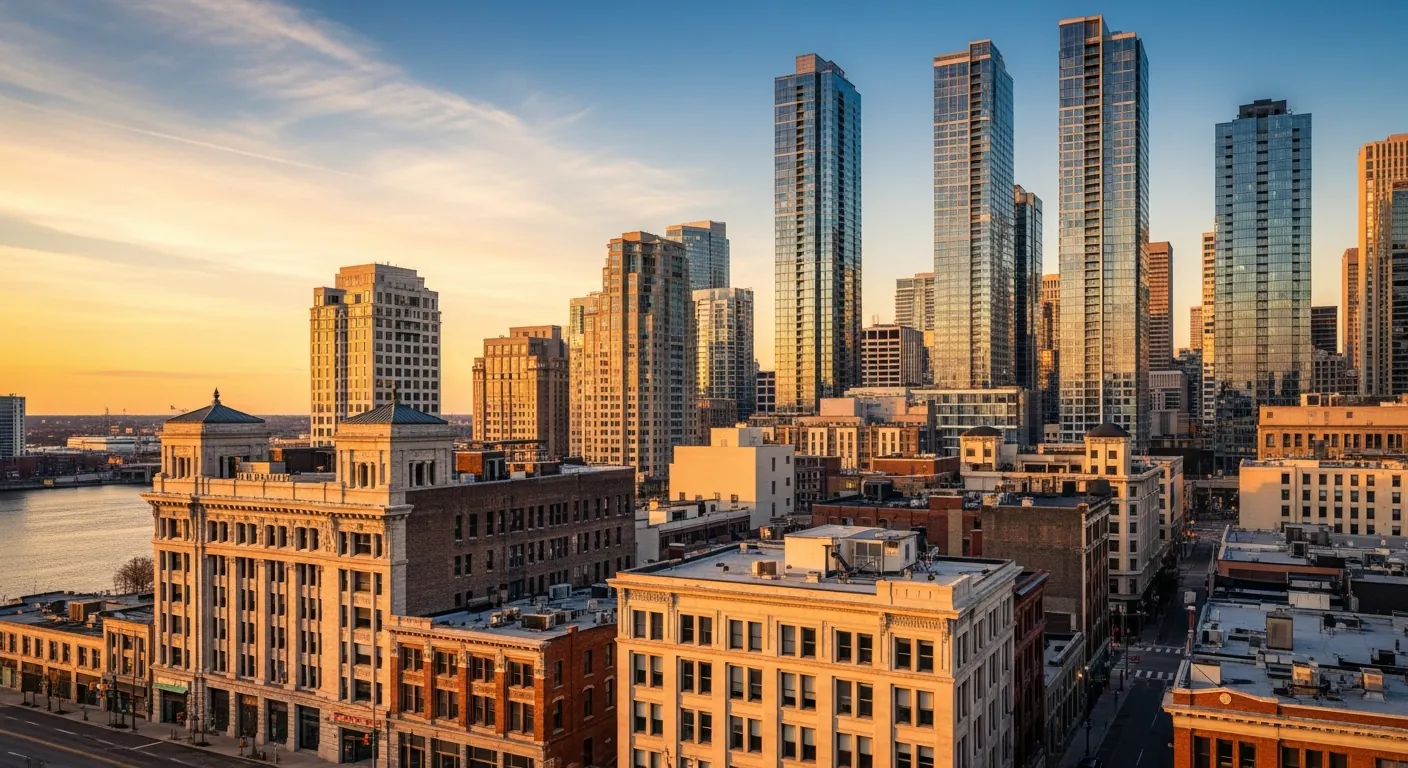
In New York, zoning changes have made it significantly easier to convert pre-1990 office buildings to residential use. Tax incentive programs provide financial support for projects that include affordable housing components. Washington, D.C. has implemented similar programs, including expedited permitting for conversion projects.
At the state level, California, Illinois, and Virginia have all enacted legislation that reduces barriers to adaptive reuse. These include streamlined environmental reviews, relaxed parking requirements, and financial incentives ranging from tax abatements to direct subsidies.
The policy momentum is bipartisan and accelerating. Housing affordability is one of the few issues where there's genuine agreement across the political spectrum, and adaptive reuse is a solution that appeals to both fiscal conservatives (it's cheaper than new construction) and progressives (it adds housing supply and preserves embodied carbon).
The Bottom Line
At F6 Partners, adaptive reuse has been part of our DNA since we converted our first hotel property. (I wrote extensively about why hotel conversions beat ground-up construction on the economics.) The principles are the same whether you're converting a hotel or an office building: identify structurally sound assets in supply-constrained markets, acquire them at a basis below replacement cost, and create housing that serves demonstrated demand.
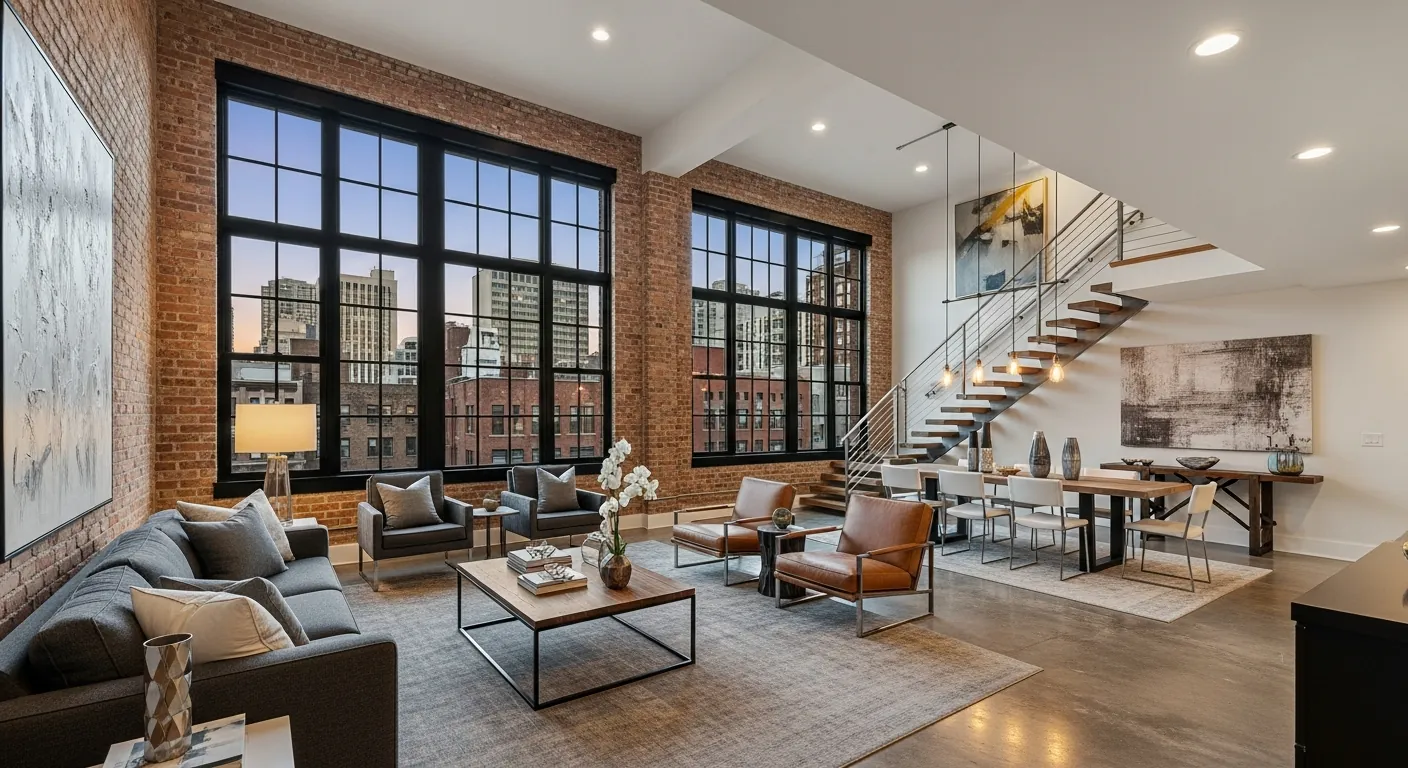
The 70,700-unit pipeline tells us that the market has validated this thesis at scale. But here's what's important to understand: not every office building is a good conversion candidate. Floor plate depth, structural grid spacing, access to natural light, mechanical systems, and zoning all determine whether a conversion is economically feasible.
The developers and investors who succeed in adaptive reuse will be the ones who combine real estate acumen with construction expertise. This is not a passive investment strategy — it requires operational intensity and deep market knowledge. But for those who can execute, the risk-adjusted returns are among the best in CRE today.
TL;DR
The office-to-apartment conversion pipeline has reached a record 70,700 units, surging from 55,300 in 2024. Office conversions now represent 42% of all adaptive reuse projects nationally. New York City is leading the charge with 8,310 units in the pipeline, followed by Washington, D.C. with 6,533 units. Supportive policy changes at the local and state level are turning what was once a niche strategy into a mainstream development approach.
The Record-Breaking Pipeline
Adaptive reuse — specifically the conversion of obsolete office buildings into residential apartments — has gone from industry conference talking point to real development pipeline. The numbers are staggering: 70,700 apartment units are now in the office conversion pipeline nationally, representing a 28% increase from the 55,300 units tracked in 2024.
This isn't just growth. It's acceleration. And it reflects a fundamental market truth that took years to fully manifest: remote and hybrid work permanently reduced demand for certain categories of office space, particularly older Class B and C buildings without modern amenities. These buildings were functionally obsolete for office use but structurally sound — perfect candidates for conversion to residential.
The math that makes conversions work is straightforward. In many major markets, you can acquire an obsolete office building at $50-100 per square foot and convert it to residential for a total basis that's 30-40% below the cost of ground-up construction. When the alternative is tearing down and rebuilding, that's a compelling economic argument.
Office-to-Apartment Conversion Pipeline (Units)
The office-to-residential conversion pipeline has surged to a record 70,700 units, as cities incentivize repurposing obsolete commercial space into much-needed housing.
Think you know the facts behind the headlines?
5 questions · ~3 min
NYC Leads the Way
New York City sits at the top of the conversion leaderboard with 8,310 units in the pipeline. This shouldn't surprise anyone who's been watching Lower Manhattan's transformation. The financial district, which was overbuilt with office space decades ago, has become one of the city's fastest-growing residential neighborhoods precisely because of office conversions.
Washington, D.C. follows with 6,533 units, driven by a similar dynamic: government agencies consolidating space, private office tenants downsizing, and a persistent housing shortage that makes residential demand virtually insatiable.
Other cities in the top tier include Chicago, Los Angeles, and Dallas — all markets where the combination of obsolete office inventory and housing demand creates conversion opportunities.
What's notable is the scale of individual projects. We're seeing conversions of 200,000-500,000 square foot buildings that produce 300-600 apartment units per project. These aren't small renovations — they're transformative developments that reshape entire neighborhoods.
Top Office Conversion Cities by Units (2025)
New York City, Washington D.C., and Chicago lead the nation in office conversion activity, together accounting for nearly half of all units in the pipeline.
Adaptive reuse isn't just a real estate strategy — it's an urbanization strategy. Converting obsolete offices to housing revitalizes neighborhoods, preserves embodied carbon, and addresses the housing crisis simultaneously. It's rare to find a development approach with this many stakeholder benefits.
— Jonathan Rose, Founder, Jonathan Rose Companies
Policy Is the Catalyst
The record pipeline wouldn't exist without supportive policy changes, and this is where the story gets really interesting. Cities across the country are recognizing that office conversions solve two problems simultaneously: they address housing shortages and they prevent commercial districts from hollowing out.
In New York, zoning changes have made it significantly easier to convert pre-1990 office buildings to residential use. Tax incentive programs provide financial support for projects that include affordable housing components. Washington, D.C. has implemented similar programs, including expedited permitting for conversion projects.
At the state level, California, Illinois, and Virginia have all enacted legislation that reduces barriers to adaptive reuse. These include streamlined environmental reviews, relaxed parking requirements, and financial incentives ranging from tax abatements to direct subsidies.
The policy momentum is bipartisan and accelerating. Housing affordability is one of the few issues where there's genuine agreement across the political spectrum, and adaptive reuse is a solution that appeals to both fiscal conservatives (it's cheaper than new construction) and progressives (it adds housing supply and preserves embodied carbon).
The Bottom Line
At F6 Partners, adaptive reuse has been part of our DNA since we converted our first hotel property. (I wrote extensively about why hotel conversions beat ground-up construction on the economics.) The principles are the same whether you're converting a hotel or an office building: identify structurally sound assets in supply-constrained markets, acquire them at a basis below replacement cost, and create housing that serves demonstrated demand.
The 70,700-unit pipeline tells us that the market has validated this thesis at scale. But here's what's important to understand: not every office building is a good conversion candidate. Floor plate depth, structural grid spacing, access to natural light, mechanical systems, and zoning all determine whether a conversion is economically feasible.
The developers and investors who succeed in adaptive reuse will be the ones who combine real estate acumen with construction expertise. This is not a passive investment strategy — it requires operational intensity and deep market knowledge. But for those who can execute, the risk-adjusted returns are among the best in CRE today.
Test Your Knowledge
How well do you know adaptive reuse projects?

Andrew LeBaron