TL;DR
Sun Belt multifamily margin compression is expected to persist through late 2027 as the oversupply cycle works through the market. Net absorption is up 20% year-over-year to 531,000 units — demand is strong. But new completions, despite declining 9%, are still flooding the market. Vacancy holds at 8.1% nationally. Annual rent growth has slowed to just 0.6%. Landlords are growing more competitive on pricing with concessions creeping back in. The consensus among institutional allocators is shifting: coastal multifamily is increasingly favored over Sun Belt.
The Oversupply Reality
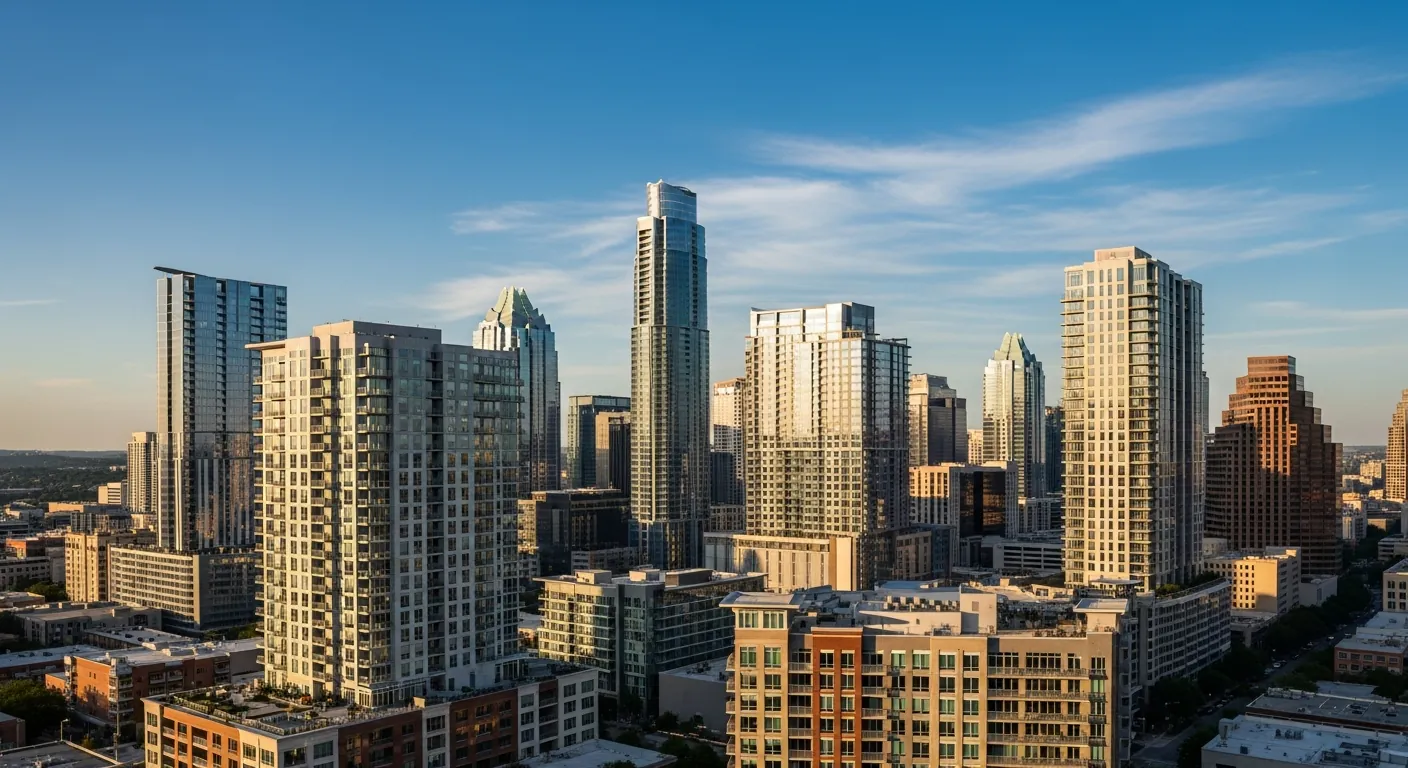
Let me lay out the Sun Belt multifamily situation with the directness it deserves. The Sun Belt markets — Austin, Dallas, Phoenix, Nashville, Charlotte, Atlanta, Jacksonville — absorbed an enormous amount of new multifamily supply in 2023-2025. The development pipeline that was underwritten during the low-rate, high-migration frenzy of 2020-2021 is now delivering into a market that can't absorb it fast enough.
Net absorption of 531,000 units is impressive and up 20% year-over-year. That's genuine demand. People are moving to the Sun Belt, forming households, and renting apartments. The migration story that drove the development boom hasn't reversed.
But 531,000 units of absorption isn't enough when completions — even down 9% — are still exceeding it. Vacancy has settled at 8.1%, well above the 5-6% level that supports healthy rent growth. And annual rent growth of 0.6% is barely keeping pace with inflation, much less generating the returns that sponsors underwrote.
At F6 Partners, we've been cautioning our investors about Sun Belt multifamily oversupply for over a year. This isn't a surprise — it was visible in the pipeline data. The question now is how long the compression lasts and what opportunities emerge on the other side.
Sun Belt Multifamily Vacancy Rate (%)
Sun Belt multifamily vacancy briefly spiked from record 2024 deliveries but is now stabilizing as population growth continues to absorb the new supply.
Think you know the real numbers behind these deals?
5 questions · ~3 min
Concessions Are Back
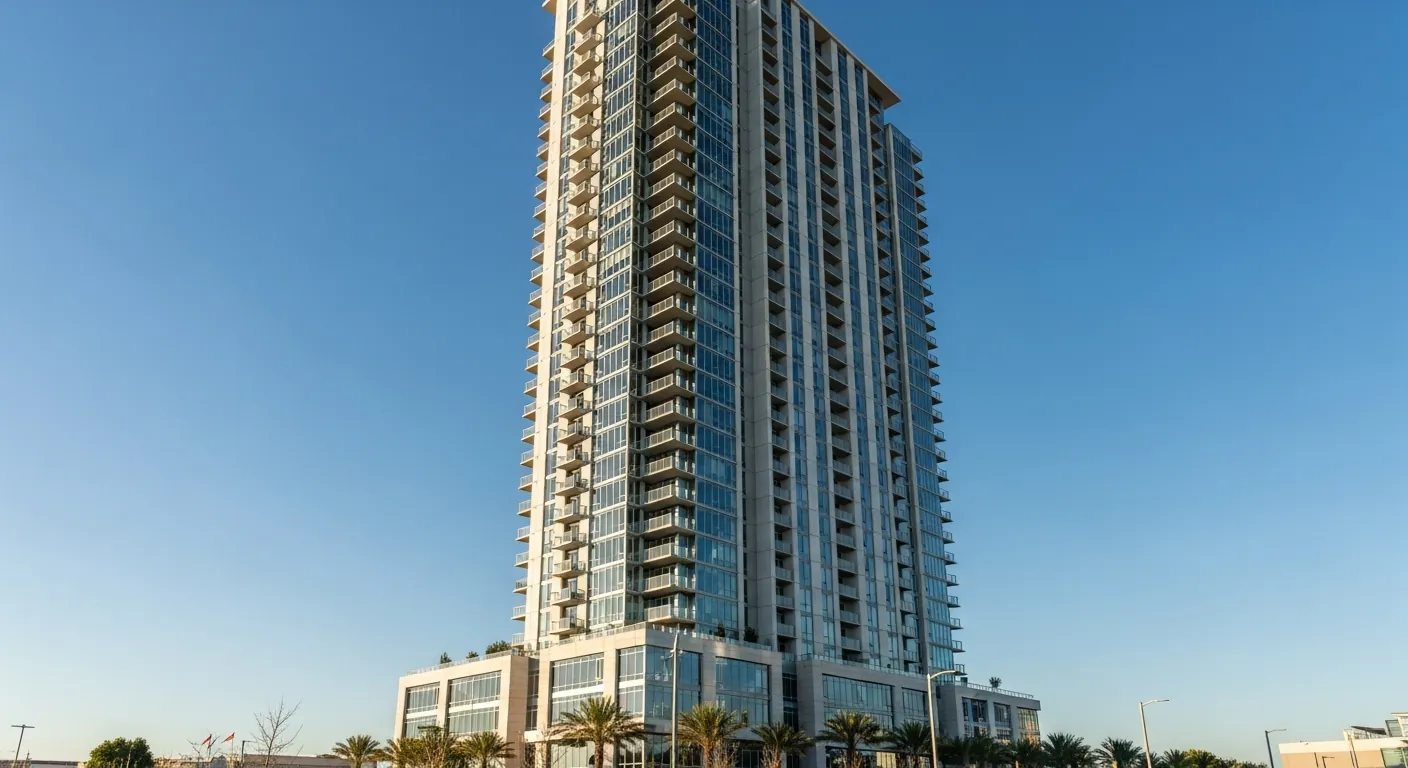
The clearest sign of margin compression is the return of concessions. Landlords in oversupplied Sun Belt markets are offering one to two months of free rent, reduced deposits, and waived fees to compete for tenants. Effective rents are declining even where asking rents appear stable.
This is the textbook response to oversupply: operators protect occupancy by sacrificing margin. In the short term, it works. Properties stay full, and the cash flow disruption is manageable. But when concessions become the norm rather than the exception, it signals a market where landlords have lost pricing power — and that's exactly what's happening in the most oversupplied Sun Belt submarkets.
The impact falls hardest on sponsors who underwrote aggressive rent growth in their acquisition models. Properties acquired in 2021-2022 at 3-4% cap rates during the great reset with projected 5-7% annual rent growth are now experiencing flat or negative effective rent changes. The gap between projected and actual performance is widening, and some sponsors are facing distribution shortfalls or capital calls.
Sun Belt Annual Rent Growth (%)
Sun Belt rent growth has cooled dramatically from the 15%+ surges of 2021–2022, but remains positive as the region's job and population growth fundamentals hold.
Coastal Multifamily: The Relative Winner
The flip side of the Sun Belt story is the relative outperformance of coastal multifamily markets. Boston, New York, Washington DC (despite the DOGE impact on office), San Francisco, and Los Angeles have significantly less new supply in the pipeline because permitting, land costs, and construction complexity in these markets kept development volumes lower during the boom.
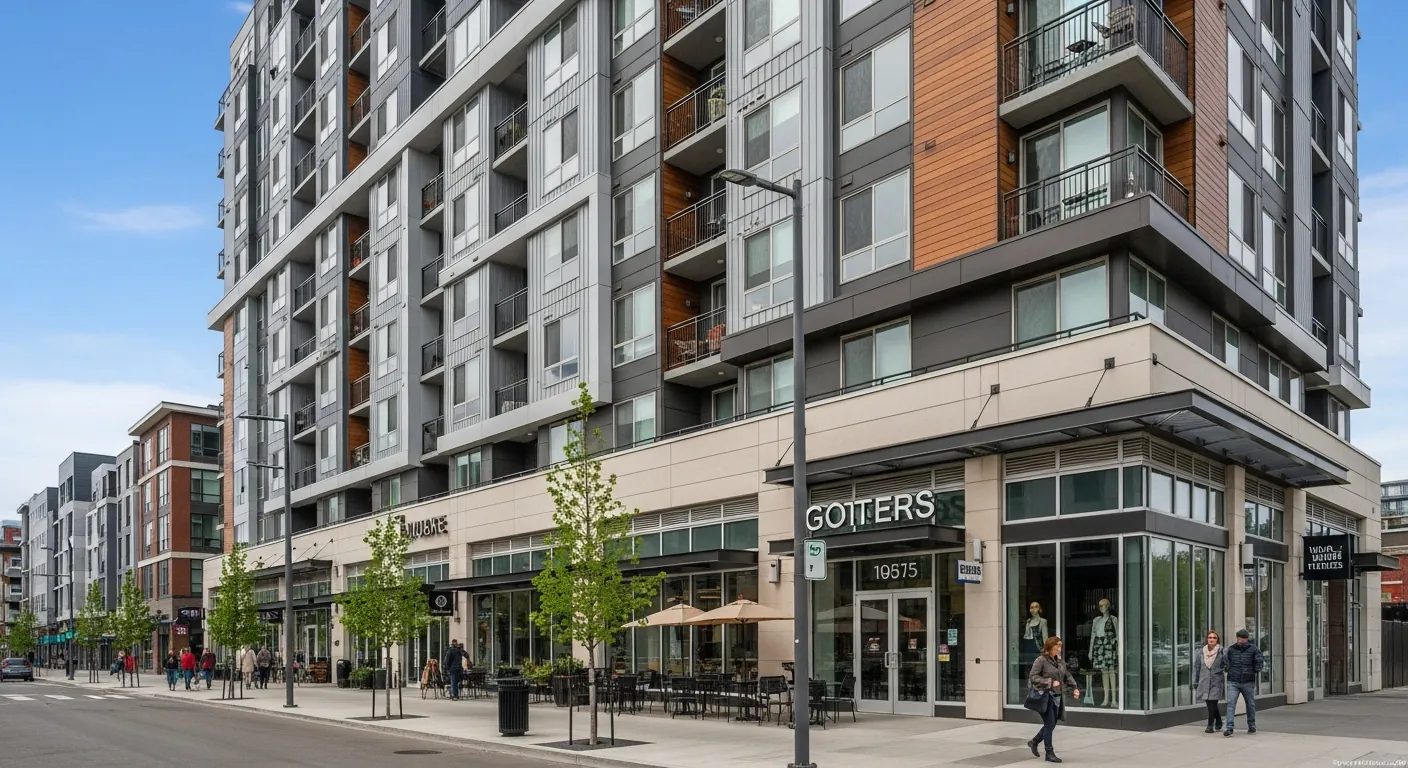
The result is tighter vacancy, stronger rent growth, and better operating margins in coastal markets compared to their Sun Belt counterparts. Institutional capital is taking notice — with many investors weighing REITs vs private real estate for multifamily exposure. The allocation shift from Sun Belt back to coastal is well underway among the largest multifamily investors.
At F6 Partners, our core focus on student and senior housing insulates us from conventional multifamily oversupply dynamics. Purpose-built student housing near top-tier universities and senior housing serving the demographic wave operate on fundamentally different supply-demand dynamics than market-rate apartments in the Sun Belt. But we watch the conventional multifamily data closely because it informs broader CRE capital flows and investor sentiment.
Coastal vs. Sun Belt Effective Rent Index (2019=100)
Sun Belt rents have grown faster than coastal markets since 2019, though the gap is narrowing as coastal supply constraints reassert themselves.
Through Late 2027
The consensus timeline for Sun Belt multifamily oversupply to resolve is late 2027. By then, the massive 2023-2025 delivery wave will have been absorbed, construction starts that plummeted in 2023-2024 will result in minimal new completions, and rent growth should reaccelerate from its current 0.6% floor.
For patient investors with the right basis, the Sun Belt correction will eventually create compelling value-add opportunities. But timing matters. Buying into the middle of an oversupply cycle, even at a discount, can lead to years of subpar returns before the market turns. The smart money is waiting for the supply pipeline to clear — or deploying into sectors like student and senior housing where the supply-demand dynamics are structurally favorable right now. Understanding how to generate income in a higher rate world is essential for navigating this environment.
TL;DR
Sun Belt multifamily margin compression is expected to persist through late 2027 as the oversupply cycle works through the market. Net absorption is up 20% year-over-year to 531,000 units — demand is strong. But new completions, despite declining 9%, are still flooding the market. Vacancy holds at 8.1% nationally. Annual rent growth has slowed to just 0.6%. Landlords are growing more competitive on pricing with concessions creeping back in. The consensus among institutional allocators is shifting: coastal multifamily is increasingly favored over Sun Belt.
The Oversupply Reality
Let me lay out the Sun Belt multifamily situation with the directness it deserves. The Sun Belt markets — Austin, Dallas, Phoenix, Nashville, Charlotte, Atlanta, Jacksonville — absorbed an enormous amount of new multifamily supply in 2023-2025. The development pipeline that was underwritten during the low-rate, high-migration frenzy of 2020-2021 is now delivering into a market that can't absorb it fast enough.
Net absorption of 531,000 units is impressive and up 20% year-over-year. That's genuine demand. People are moving to the Sun Belt, forming households, and renting apartments. The migration story that drove the development boom hasn't reversed.
But 531,000 units of absorption isn't enough when completions — even down 9% — are still exceeding it. Vacancy has settled at 8.1%, well above the 5-6% level that supports healthy rent growth. And annual rent growth of 0.6% is barely keeping pace with inflation, much less generating the returns that sponsors underwrote.
At F6 Partners, we've been cautioning our investors about Sun Belt multifamily oversupply for over a year. This isn't a surprise — it was visible in the pipeline data. The question now is how long the compression lasts and what opportunities emerge on the other side.
Sun Belt Multifamily Vacancy Rate (%)
Sun Belt multifamily vacancy briefly spiked from record 2024 deliveries but is now stabilizing as population growth continues to absorb the new supply.
Think you know the real numbers behind these deals?
5 questions · ~3 min
Concessions Are Back
The clearest sign of margin compression is the return of concessions. Landlords in oversupplied Sun Belt markets are offering one to two months of free rent, reduced deposits, and waived fees to compete for tenants. Effective rents are declining even where asking rents appear stable.
This is the textbook response to oversupply: operators protect occupancy by sacrificing margin. In the short term, it works. Properties stay full, and the cash flow disruption is manageable. But when concessions become the norm rather than the exception, it signals a market where landlords have lost pricing power — and that's exactly what's happening in the most oversupplied Sun Belt submarkets.
The impact falls hardest on sponsors who underwrote aggressive rent growth in their acquisition models. Properties acquired in 2021-2022 at 3-4% cap rates during the great reset with projected 5-7% annual rent growth are now experiencing flat or negative effective rent changes. The gap between projected and actual performance is widening, and some sponsors are facing distribution shortfalls or capital calls.
Sun Belt Annual Rent Growth (%)
Sun Belt rent growth has cooled dramatically from the 15%+ surges of 2021–2022, but remains positive as the region's job and population growth fundamentals hold.
Coastal Multifamily: The Relative Winner
The flip side of the Sun Belt story is the relative outperformance of coastal multifamily markets. Boston, New York, Washington DC (despite the DOGE impact on office), San Francisco, and Los Angeles have significantly less new supply in the pipeline because permitting, land costs, and construction complexity in these markets kept development volumes lower during the boom.
The result is tighter vacancy, stronger rent growth, and better operating margins in coastal markets compared to their Sun Belt counterparts. Institutional capital is taking notice — with many investors weighing REITs vs private real estate for multifamily exposure. The allocation shift from Sun Belt back to coastal is well underway among the largest multifamily investors.
At F6 Partners, our core focus on student and senior housing insulates us from conventional multifamily oversupply dynamics. Purpose-built student housing near top-tier universities and senior housing serving the demographic wave operate on fundamentally different supply-demand dynamics than market-rate apartments in the Sun Belt. But we watch the conventional multifamily data closely because it informs broader CRE capital flows and investor sentiment.
Coastal vs. Sun Belt Effective Rent Index (2019=100)
Sun Belt rents have grown faster than coastal markets since 2019, though the gap is narrowing as coastal supply constraints reassert themselves.
Through Late 2027
The consensus timeline for Sun Belt multifamily oversupply to resolve is late 2027. By then, the massive 2023-2025 delivery wave will have been absorbed, construction starts that plummeted in 2023-2024 will result in minimal new completions, and rent growth should reaccelerate from its current 0.6% floor.
For patient investors with the right basis, the Sun Belt correction will eventually create compelling value-add opportunities. But timing matters. Buying into the middle of an oversupply cycle, even at a discount, can lead to years of subpar returns before the market turns. The smart money is waiting for the supply pipeline to clear — or deploying into sectors like student and senior housing where the supply-demand dynamics are structurally favorable right now. Understanding how to generate income in a higher rate world is essential for navigating this environment.
Test Your Knowledge
How well do you know commercial real estate?

Andrew LeBaron