TL;DR
Market Stabilization: Interest rates are settling into a 3.5% to 5.5% range, providing much needed clarity for commercial real estate (CRE) valuations.
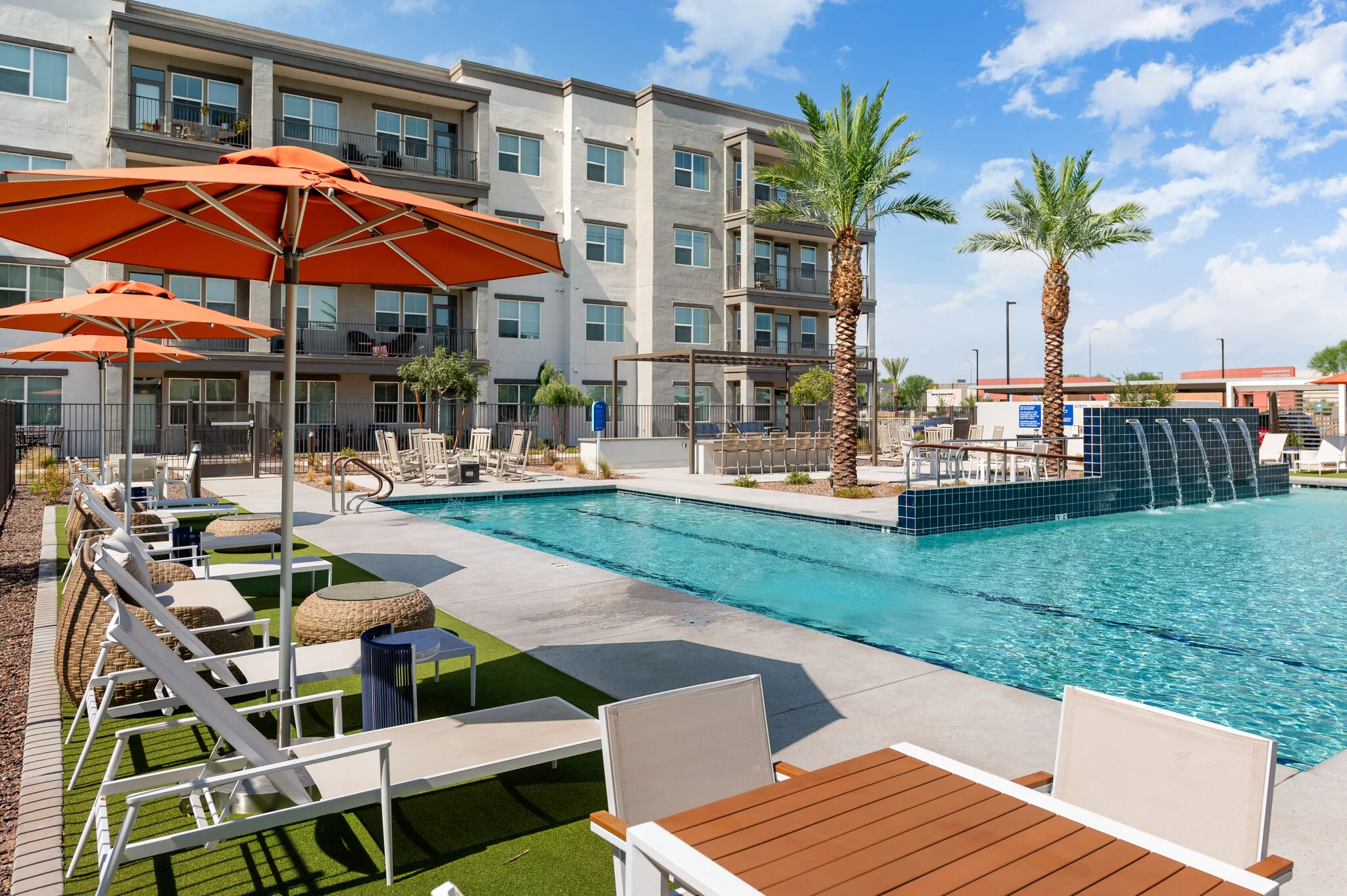
Specialized Residential Focus: Institutional capital is shifting away from traditional office space toward recession resilient niches like student and senior housing.
The "Silver Tsunami": 2026 marks the first year baby boomers turn 80, driving senior housing occupancy toward historic highs above 90%.
Student Housing Resilience: Tight supply and a focus on wellness driven amenities have pushed pre-leasing occupancy for the 2026 academic year to 95%.
The best investments are the ones where the underlying demand is so fundamental that it doesn't depend on economic cycles. People will always need a place to live, and an aging population will always need care.
— Sam Zell, Founder of Equity Group Investments
Navigating the New Normal: Commercial Real Estate in 2026 and Beyond
As we move through 2026, the commercial real estate landscape has shifted from a period of high volatility to one defined by operational excellence and strategic specialization. According to recent reports from CoStar and J.P. Morgan, the market is entering a more disciplined phase where capital is prioritizing durability over speculation. With the "wall of maturities" for commercial loans being actively addressed, transaction volumes are increasing as yields begin to ease across sectors.
The Macro Shift: Rates and Repurposing
Data from Chatham Financial indicates that interest rates have largely stabilized, with the Federal Open Market Committee maintaining a target range that allows for more predictable underwriting. This stability has encouraged a surge in transaction activity. CoStar's latest forecast suggests that while industrial vacancy rates may see a modest peak this year, rent growth remains steady.
The "Office Comeback" is less about a return to 2019 levels and more about "Adaptive Reuse." LoopNet and Forbes report a significant trend in repurposing obsolete office and retail assets into residential units. This shift is not just a solution for urban housing shortages but a necessary evolution for owners of commodity office space without modern amenities.
Federal Funds Rate (2019–2026)
Think you know the real numbers behind these deals?
5 questions · ~3 min
The Rise of Student Housing
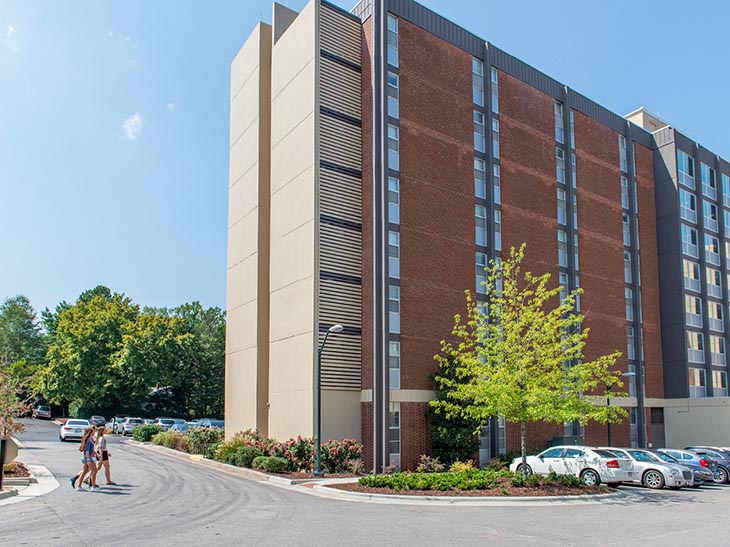
The student housing sector enters 2026 with a high degree of confidence. Research from Multi-Housing News (MHN) and Yardi Matrix shows that estimated occupancy for the current academic year has reached 95.1%. Capital is increasingly concentrated around top tier universities and "Value-Add" opportunities.
Investors are no longer just providing a place to sleep: they are building "high performance incubators." Trends in 2026 show a significant premium for study-centric environments, featuring noise canceling architecture and biophilic design. For groups like F6 Partners, the focus remains on markets where enrollment continues to outpace supply, ensuring stable cash flows even in shifting economic climates.
Student Housing Occupancy (2019–2026)
Student housing has evolved from a niche play into an institutional-grade asset class. The supply-demand imbalance at major universities is structural, not cyclical — and that's exactly what makes it so attractive to long-term investors.
— Peter Linneman, Wharton Real Estate Professor & Linneman Associates
Senior Housing and the 80-Year Milestone
Perhaps the most significant demographic shift in 2026 is the "Silver Tsunami" reaching a critical shore: the oldest baby boomers are officially turning 80 this year. PwC and the Urban Land Institute (ULI) rank senior housing as the second highest subsector for investment and development prospects, trailing only data centers.
Occupancy levels are approaching 90% across primary markets because of historically low inventory growth. Senior Housing News highlights that solo agers — seniors living alone with fewer caregiver safety nets — are becoming a powerful force, reshaping how these communities are marketed and managed. Successful developers are now focusing on "hospitality-driven" experiences that integrate smart home technology and AI assisted staffing tools to improve care and operational efficiency.
Strategic Focus: F6 Partners
This convergence of demographic demand and market stabilization is why my current focus remains squarely on the acquisition and development of student and senior housing. These asset classes offer a unique combination of recession resistance and long term growth potential that traditional sectors currently lack.
Through F6 Partners, we leverage deep industry relationships and data driven insights to identify off market opportunities in these specialized niches. By focusing on capital raising and investor relations for these "essential" housing sectors, we provide our partners with exposure to assets that are anchored by fundamental human needs rather than discretionary corporate spending.
The most resilient real estate strategies aren't about chasing yield — they're about identifying sectors where demographic tailwinds and limited supply create durable pricing power for decades.
— Byron Carlock, PwC U.S. Real Estate Practice Leader
Sources and Reference Material
TL;DR
Market Stabilization: Interest rates are settling into a 3.5% to 5.5% range, providing much needed clarity for commercial real estate (CRE) valuations.
Specialized Residential Focus: Institutional capital is shifting away from traditional office space toward recession resilient niches like student and senior housing.
The "Silver Tsunami": 2026 marks the first year baby boomers turn 80, driving senior housing occupancy toward historic highs above 90%.
Student Housing Resilience: Tight supply and a focus on wellness driven amenities have pushed pre-leasing occupancy for the 2026 academic year to 95%.
The best investments are the ones where the underlying demand is so fundamental that it doesn't depend on economic cycles. People will always need a place to live, and an aging population will always need care.
— Sam Zell, Founder of Equity Group Investments
Navigating the New Normal: Commercial Real Estate in 2026 and Beyond
As we move through 2026, the commercial real estate landscape has shifted from a period of high volatility to one defined by operational excellence and strategic specialization. According to recent reports from CoStar and J.P. Morgan, the market is entering a more disciplined phase where capital is prioritizing durability over speculation. With the "wall of maturities" for commercial loans being actively addressed, transaction volumes are increasing as yields begin to ease across sectors.
The Macro Shift: Rates and Repurposing
Data from Chatham Financial indicates that interest rates have largely stabilized, with the Federal Open Market Committee maintaining a target range that allows for more predictable underwriting. This stability has encouraged a surge in transaction activity. CoStar's latest forecast suggests that while industrial vacancy rates may see a modest peak this year, rent growth remains steady.
The "Office Comeback" is less about a return to 2019 levels and more about "Adaptive Reuse." LoopNet and Forbes report a significant trend in repurposing obsolete office and retail assets into residential units. This shift is not just a solution for urban housing shortages but a necessary evolution for owners of commodity office space without modern amenities.
Think you know the real numbers behind these deals?
5 questions · ~3 min
The Rise of Student Housing
The student housing sector enters 2026 with a high degree of confidence. Research from Multi-Housing News (MHN) and Yardi Matrix shows that estimated occupancy for the current academic year has reached 95.1%. Capital is increasingly concentrated around top tier universities and "Value-Add" opportunities.
Investors are no longer just providing a place to sleep: they are building "high performance incubators." Trends in 2026 show a significant premium for study-centric environments, featuring noise canceling architecture and biophilic design. For groups like F6 Partners, the focus remains on markets where enrollment continues to outpace supply, ensuring stable cash flows even in shifting economic climates.
Student housing has evolved from a niche play into an institutional-grade asset class. The supply-demand imbalance at major universities is structural, not cyclical — and that's exactly what makes it so attractive to long-term investors.
— Peter Linneman, Wharton Real Estate Professor & Linneman Associates
Senior Housing and the 80-Year Milestone
Perhaps the most significant demographic shift in 2026 is the "Silver Tsunami" reaching a critical shore: the oldest baby boomers are officially turning 80 this year. PwC and the Urban Land Institute (ULI) rank senior housing as the second highest subsector for investment and development prospects, trailing only data centers.
Occupancy levels are approaching 90% across primary markets because of historically low inventory growth. Senior Housing News highlights that solo agers — seniors living alone with fewer caregiver safety nets — are becoming a powerful force, reshaping how these communities are marketed and managed. Successful developers are now focusing on "hospitality-driven" experiences that integrate smart home technology and AI assisted staffing tools to improve care and operational efficiency.
Strategic Focus: F6 Partners
This convergence of demographic demand and market stabilization is why my current focus remains squarely on the acquisition and development of student and senior housing. These asset classes offer a unique combination of recession resistance and long term growth potential that traditional sectors currently lack.
Through F6 Partners, we leverage deep industry relationships and data driven insights to identify off market opportunities in these specialized niches. By focusing on capital raising and investor relations for these "essential" housing sectors, we provide our partners with exposure to assets that are anchored by fundamental human needs rather than discretionary corporate spending.
The most resilient real estate strategies aren't about chasing yield — they're about identifying sectors where demographic tailwinds and limited supply create durable pricing power for decades.
— Byron Carlock, PwC U.S. Real Estate Practice Leader
Sources and Reference Material
Test Your Knowledge
How well do you know commercial real estate?

Andrew LeBaron