TL;DR
Solo agers — seniors living alone without traditional caregiver networks — are becoming a powerful demographic force in senior housing. Senior Housing News highlights them as one of the most significant planning considerations for operators and developers. The data on unit mix tells the story: 3-bedroom units are at 94% occupancy, 20% of units under construction now have 3+ bedrooms (compared to just 2% in 2014), and studio share has dropped from 51% to 35%. The market is beginning to adapt, but the scale of this demographic shift demands faster action.
Who Are Solo Agers?
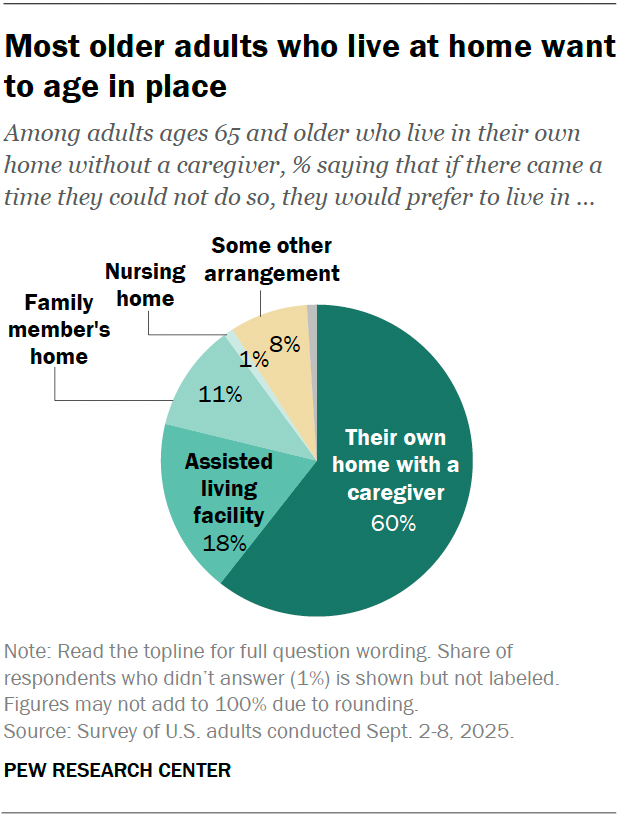
Solo agers are seniors who are aging without a spouse, partner, or nearby adult children to serve as caregivers. They might be widowed, divorced, never married, or childless. Some have children who live far away or are unable to provide regular care. What they share is the reality of navigating their later years without the family safety net that most senior housing has traditionally been designed around.
This isn't a small population. As baby boomers age into their 70s and 80s, the number of solo agers is growing faster than the general senior population. Longer life expectancies, rising divorce rates among older adults, and geographic dispersal of families are all contributing factors.
Senior Housing News has identified solo agers as one of the most significant planning considerations for the industry in 2025 and beyond. Combined with the silver tsunami of baby boomers reshaping senior housing, this demographic shift is creating unprecedented demand. These individuals need senior housing more than anyone, because they don't have a home-based alternative with family caregivers.
At F6 Partners, understanding demographic nuance is how we identify investment opportunities before the broader market catches on. Solo agers aren't just a planning consideration — they're a demand driver that's reshaping the senior housing product.

Estimated Solo Ager Population (Millions) (2019–2026)
The population of adults aging alone — without a spouse or nearby family — is growing rapidly, creating specialized demand for senior communities designed around social connection.
Think you know the facts behind the headlines?
5 questions · ~3 min
The Unit Mix Revolution
The most tangible evidence of the solo ager impact is what's happening with unit mix in senior housing. The data is striking:
- 3-bedroom units are running at 94% occupancy — the highest of any unit type in senior housing
- 20% of units under construction now have 3+ bedrooms, compared to just 2% in 2014
- Studio share has dropped from 51% of units to 35%
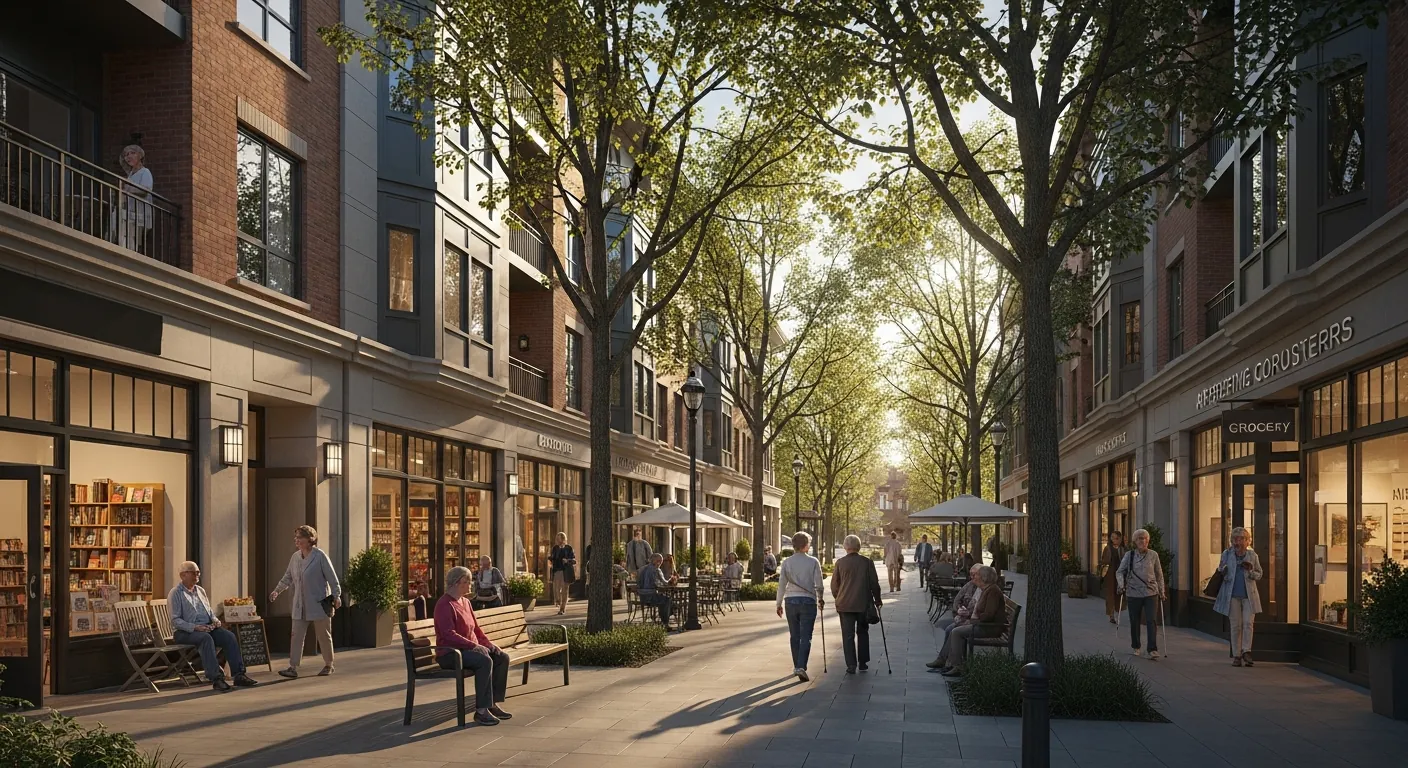
What's driving this shift? It's not just solo agers, but they're a significant factor. Many solo agers are moving from large homes — often the family home where they raised children — into senior housing. They don't want to downsize into a studio. They want space for their belongings, their hobbies, and guest rooms for visiting family and friends.
The hospitality model of senior housing is evolving in response. Today's seniors, particularly solo agers, want their living space to feel like a home, not an institution. Larger units with full kitchens, separate living areas, and space for personalization are commanding premium rents and exceptional occupancy.
Senior Housing 3+ Bedroom Share of Construction (2019–2026)
Larger senior housing units are becoming a growing share of new construction as developers cater to affluent baby boomers who expect spacious, home-like accommodations.
Studio Unit Share in Senior Housing (2019–2026)
The share of studio units in new senior housing has declined as the market shifts toward larger, more luxurious layouts that appeal to wealthier residents.
What Solo Agers Need
Solo agers have fundamentally different needs than seniors who are aging alongside a spouse or near family. Understanding these needs is critical for operators and investors who want to serve this growing demographic.
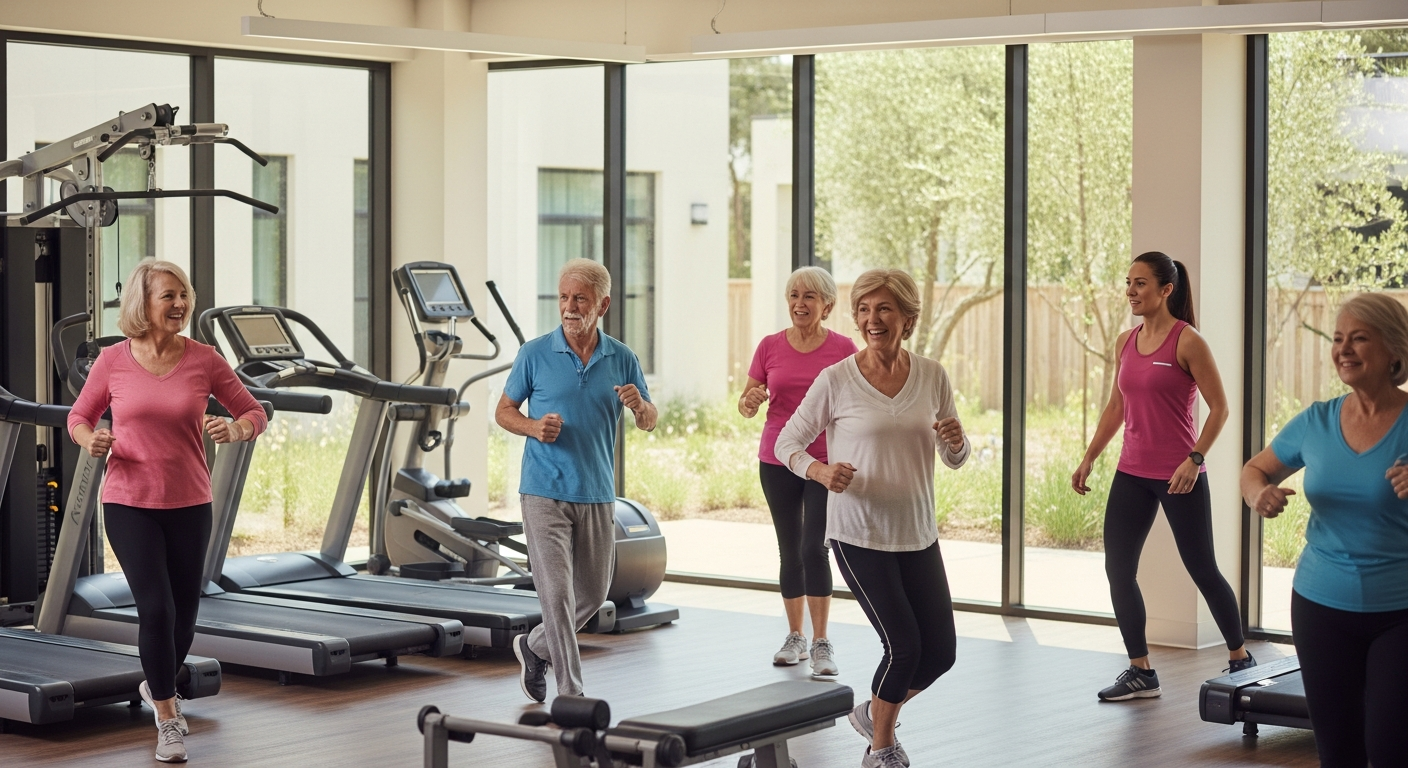
First, solo agers need built-in social infrastructure. Without a spouse at home or regular family visits, the risk of social isolation is real. Communities that offer robust programming, communal dining, and activity-based engagement are more attractive to solo agers than those that simply provide a roof and basic services.
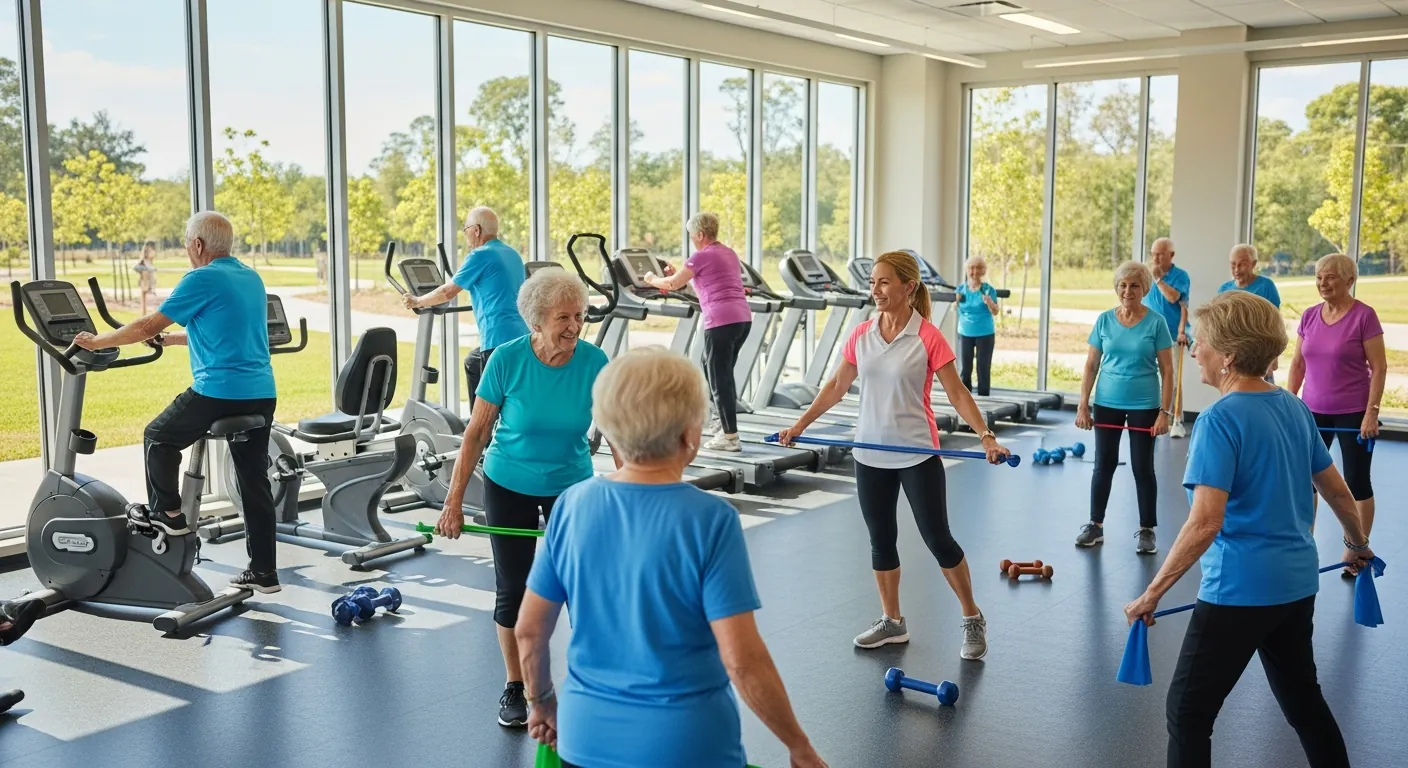
Second, solo agers need on-site healthcare coordination. Without a family caregiver to manage appointments, medications, and health monitoring, solo agers rely heavily on the services their community provides. Memory care pathways and wellness programs are particularly important.
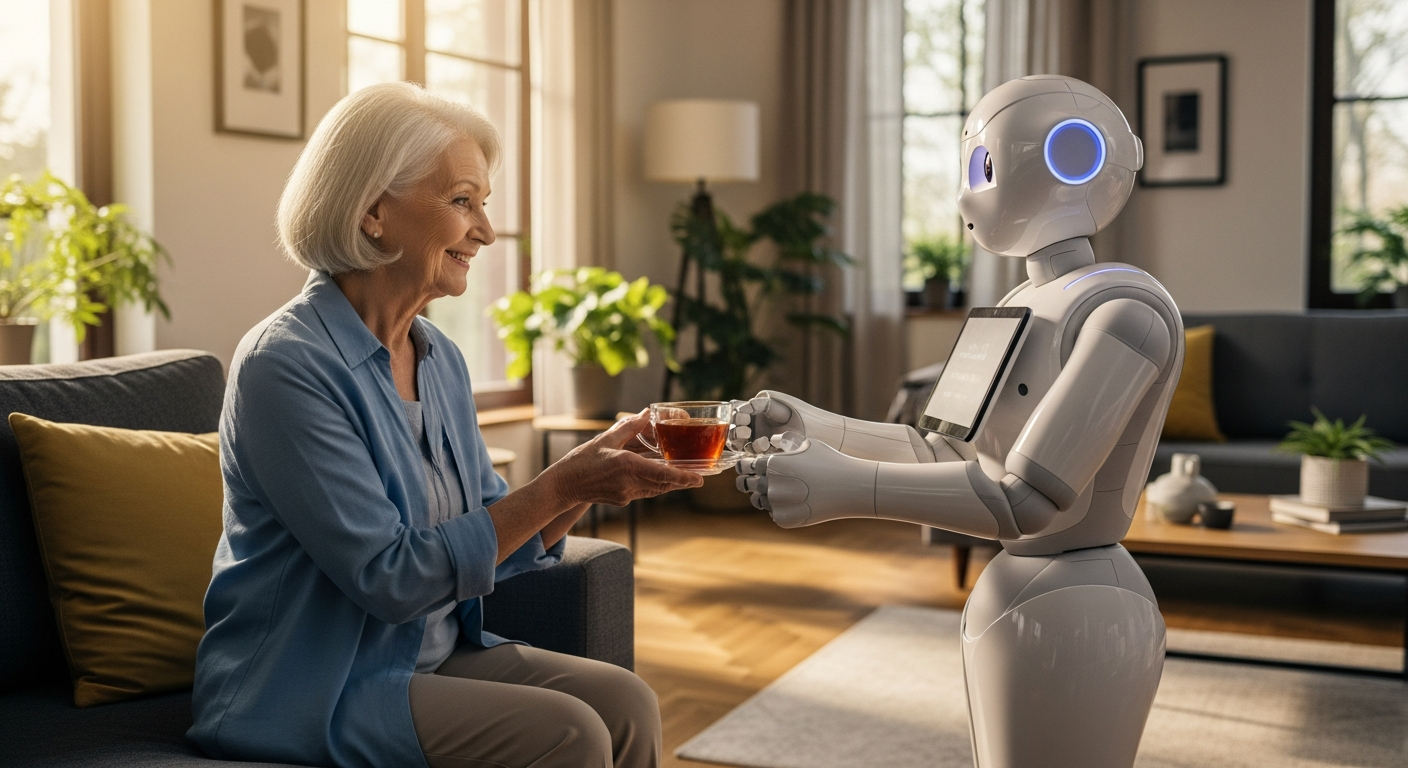
Third, solo agers need emergency response systems they can trust. When there's no family member checking in daily, the community becomes the safety net. Technology-enabled monitoring, 24/7 staffing, and proactive wellness checks are non-negotiable features.
The Investment Implications
For investors, the solo ager trend has several important implications. First, demand for senior housing will grow faster than pure population aging would suggest, because solo agers are more likely to choose community-based living than seniors with strong family support systems.
Second, the unit mix shift toward larger units creates opportunities for higher per-unit revenue. Three-bedroom units at 94% occupancy are generating premium rents that boost community-level financial performance. For investors evaluating preferred equity and preferred return structures, senior housing's rent growth trajectory makes the sector an attractive candidate for structured capital deployment.
Third, operators who successfully serve solo agers — including those pioneering scattered-site senior housing models beyond the big box — will build competitive moats through programming, services, and reputation. This isn't a commodity business — the quality of the social environment and care coordination directly affects occupancy, retention, and pricing power.
At F6 Partners, we evaluate senior housing investments through the lens of demographic precision. Solo agers represent a growing, underserved market segment that is willing to pay for quality communities. Developers and operators who design for their specific needs — social engagement, healthcare coordination, and emergency safety — will capture disproportionate market share and investor returns.
My faith teaches me that no one should age alone, and that community matters at every stage of life. Solo agers are looking for exactly that — community — and senior housing is uniquely positioned to provide it. That alignment of human need and investment opportunity is what drives our work at F6 Partners.
TL;DR
Solo agers — seniors living alone without traditional caregiver networks — are becoming a powerful demographic force in senior housing. Senior Housing News highlights them as one of the most significant planning considerations for operators and developers. The data on unit mix tells the story: 3-bedroom units are at 94% occupancy, 20% of units under construction now have 3+ bedrooms (compared to just 2% in 2014), and studio share has dropped from 51% to 35%. The market is beginning to adapt, but the scale of this demographic shift demands faster action.
Who Are Solo Agers?
Solo agers are seniors who are aging without a spouse, partner, or nearby adult children to serve as caregivers. They might be widowed, divorced, never married, or childless. Some have children who live far away or are unable to provide regular care. What they share is the reality of navigating their later years without the family safety net that most senior housing has traditionally been designed around.
This isn't a small population. As baby boomers age into their 70s and 80s, the number of solo agers is growing faster than the general senior population. Longer life expectancies, rising divorce rates among older adults, and geographic dispersal of families are all contributing factors.
Senior Housing News has identified solo agers as one of the most significant planning considerations for the industry in 2025 and beyond. Combined with the silver tsunami of baby boomers reshaping senior housing, this demographic shift is creating unprecedented demand. These individuals need senior housing more than anyone, because they don't have a home-based alternative with family caregivers.
At F6 Partners, understanding demographic nuance is how we identify investment opportunities before the broader market catches on. Solo agers aren't just a planning consideration — they're a demand driver that's reshaping the senior housing product.
Estimated Solo Ager Population (Millions) (2019–2026)
The population of adults aging alone — without a spouse or nearby family — is growing rapidly, creating specialized demand for senior communities designed around social connection.
Think you know the facts behind the headlines?
5 questions · ~3 min
The Unit Mix Revolution
The most tangible evidence of the solo ager impact is what's happening with unit mix in senior housing. The data is striking:
- 3-bedroom units are running at 94% occupancy — the highest of any unit type in senior housing
- 20% of units under construction now have 3+ bedrooms, compared to just 2% in 2014
- Studio share has dropped from 51% of units to 35%
What's driving this shift? It's not just solo agers, but they're a significant factor. Many solo agers are moving from large homes — often the family home where they raised children — into senior housing. They don't want to downsize into a studio. They want space for their belongings, their hobbies, and guest rooms for visiting family and friends.
The hospitality model of senior housing is evolving in response. Today's seniors, particularly solo agers, want their living space to feel like a home, not an institution. Larger units with full kitchens, separate living areas, and space for personalization are commanding premium rents and exceptional occupancy.
Senior Housing 3+ Bedroom Share of Construction (2019–2026)
Larger senior housing units are becoming a growing share of new construction as developers cater to affluent baby boomers who expect spacious, home-like accommodations.
Studio Unit Share in Senior Housing (2019–2026)
The share of studio units in new senior housing has declined as the market shifts toward larger, more luxurious layouts that appeal to wealthier residents.
What Solo Agers Need
Solo agers have fundamentally different needs than seniors who are aging alongside a spouse or near family. Understanding these needs is critical for operators and investors who want to serve this growing demographic.
First, solo agers need built-in social infrastructure. Without a spouse at home or regular family visits, the risk of social isolation is real. Communities that offer robust programming, communal dining, and activity-based engagement are more attractive to solo agers than those that simply provide a roof and basic services.
Second, solo agers need on-site healthcare coordination. Without a family caregiver to manage appointments, medications, and health monitoring, solo agers rely heavily on the services their community provides. Memory care pathways and wellness programs are particularly important.
Third, solo agers need emergency response systems they can trust. When there's no family member checking in daily, the community becomes the safety net. Technology-enabled monitoring, 24/7 staffing, and proactive wellness checks are non-negotiable features.
The Investment Implications
For investors, the solo ager trend has several important implications. First, demand for senior housing will grow faster than pure population aging would suggest, because solo agers are more likely to choose community-based living than seniors with strong family support systems.
Second, the unit mix shift toward larger units creates opportunities for higher per-unit revenue. Three-bedroom units at 94% occupancy are generating premium rents that boost community-level financial performance. For investors evaluating preferred equity and preferred return structures, senior housing's rent growth trajectory makes the sector an attractive candidate for structured capital deployment.
Third, operators who successfully serve solo agers — including those pioneering scattered-site senior housing models beyond the big box — will build competitive moats through programming, services, and reputation. This isn't a commodity business — the quality of the social environment and care coordination directly affects occupancy, retention, and pricing power.
At F6 Partners, we evaluate senior housing investments through the lens of demographic precision. Solo agers represent a growing, underserved market segment that is willing to pay for quality communities. Developers and operators who design for their specific needs — social engagement, healthcare coordination, and emergency safety — will capture disproportionate market share and investor returns.
My faith teaches me that no one should age alone, and that community matters at every stage of life. Solo agers are looking for exactly that — community — and senior housing is uniquely positioned to provide it. That alignment of human need and investment opportunity is what drives our work at F6 Partners.
Test Your Knowledge
How well do you know senior housing markets?

Andrew LeBaron