TL;DR
We're at an inflection point. The first baby boomers are turning 80 in 2025-2026, the age when demand for senior housing services spikes dramatically. There are now 70 million Americans aged 65 and older, and the 80+ population is projected to double to 12 million by 2030. Meanwhile, only 1,076 new senior housing units started in Q1 2025 — the lowest level since 2009. NIC MAP data shows 13 consecutive quarters of occupancy growth. The demographic wave is here, and the supply response is nowhere close to meeting it.
The Numbers That Matter
I want you to sit with a few numbers because they tell the entire story:
- 70 million Americans are now 65 or older. That's roughly 21% of the total U.S. population.
- The 80+ population will double to 12 million by 2030. This is the age cohort that drives the majority of senior housing demand.
- 13 consecutive quarters of occupancy growth. NIC MAP Vision data shows senior housing occupancy climbing steadily since its pandemic low, now approaching 87-88% nationally.
- 1,076 new units started in Q1 2025. That's the lowest construction start figure since 2009.
Read those numbers again. Demand is accelerating exponentially. Supply is at a 16-year low. If you're looking for a sector with clear, quantifiable tailwinds, you've found it.
Senior Housing Occupancy Rate (%)
Senior housing occupancy has staged a dramatic recovery from pandemic lows, climbing for 13 consecutive quarters as demand far outstrips the limited new supply pipeline.
Senior housing is experiencing a once-in-a-generation supply-demand dislocation. We have the most predictable demand driver in real estate — an aging population on a fixed timeline — combined with the lowest construction pipeline in 16 years. The investment case writes itself.
— Robert Kramer, Co-Founder & Strategic Advisor, NIC (National Investment Center for Seniors Housing & Care)
Think you know the facts behind the headlines?
5 questions · ~3 min
The Supply Crisis Nobody's Talking About
Everyone in CRE knows about the demographic story. It's been discussed in every industry conference for a decade. But what's not getting enough attention is just how dire the supply response has become.
Only 1,076 new senior housing units started in Q1 2025. To put that in perspective, we need tens of thousands of new units annually just to keep pace with the aging population. We're not even close.
Why aren't developers building? The answers are familiar: construction costs have risen 30-40% since 2019, labor shortages persist in the skilled trades, and financing for senior housing development has been exceptionally tight. Senior housing is also operationally complex — it's not just building apartments. These are healthcare-adjacent facilities that require specialized design, licensing, and staffing.
The result is a supply gap that will take years to close, even if construction starts accelerate from here. Every month that passes without significant new supply makes existing communities more valuable and drives occupancy higher.
Senior Housing Construction Starts (Units per Quarter)
Senior housing construction starts have collapsed to their lowest level since 2009, virtually guaranteeing a severe supply shortage as the 80-plus population surges.
Why Demographics Are Destiny
I use the word "destiny" deliberately because this is not a cyclical trend. The baby boomer generation — 73 million strong — is aging on a fixed timeline. There's no policy change, economic downturn, or market disruption that will alter the fundamental reality that millions of Americans will need senior living services over the next two decades.
The first boomers are turning 80 in 2025-2026. Research consistently shows that the transition to senior living communities accelerates dramatically in the late 70s and early 80s. Health events, loss of a spouse, difficulty maintaining a home, and the desire for social engagement all converge at this life stage.
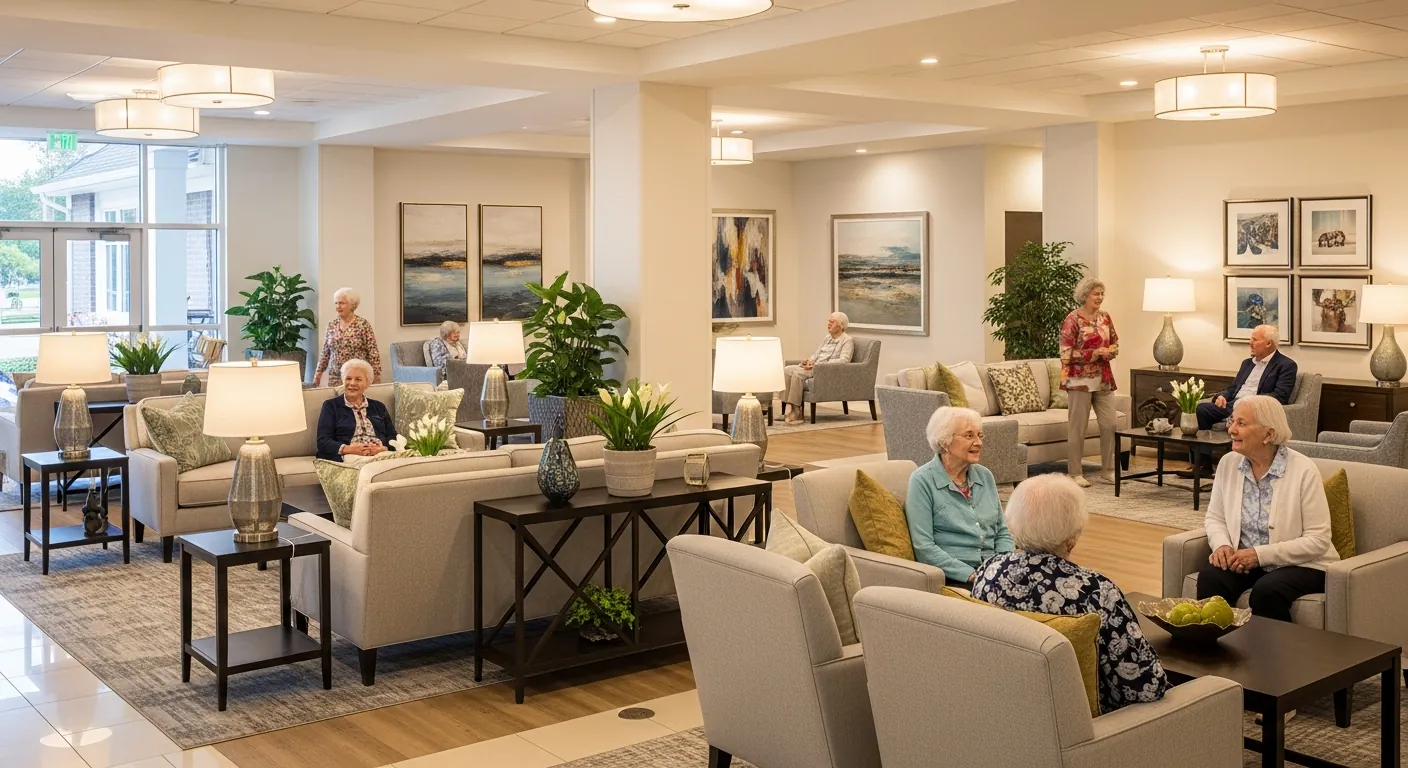
What makes this cycle different from previous demographic waves is the sheer scale. The boomer generation is significantly larger than the Silent Generation it's replacing in senior housing. Communities that were built to serve 78-year-olds in 2015 will be overwhelmed by the volume of 80-year-olds arriving in 2027-2030.
And then there's the "solo ager" phenomenon. An increasing percentage of seniors are aging alone — without a spouse, without children nearby, without the informal caregiver network that previous generations relied on. These solo agers are among the most likely to seek out senior housing communities because they need the social infrastructure, healthcare coordination, and safety that these environments provide.
U.S. Population Aged 80+ (Millions)
The 80-plus population is entering its steepest growth phase in American history, a demographic wave that will drive senior housing demand for the next two decades.
The boomers aren't just aging — they're redefining what senior living looks like. The communities that win will be the ones that deliver hospitality, wellness, and technology in ways that honor this generation's expectations for independence and quality of life.
— Beth Mace, Chief Economist, NIC
What I'm Watching
At F6 Partners, senior housing sits alongside student housing as a core investment focus. (I explore an innovative model for delivering senior care at scale in my piece on scattered-site senior housing.) The parallels between the two sectors are striking: both are driven by demographic demand that's predictable and measurable, both suffer from supply constraints, and both reward operators who deliver excellent experiences.
Here's what I'm specifically watching in 2025:
- Occupancy trajectories in primary markets. If we see national occupancy break above 88%, the pricing power for operators will be significant.
- Construction financing conditions. Any easing in development financing could spur new starts, but I expect the supply gap to persist through at least 2027.
- Staffing innovation. The operators who solve the staffing challenge — through better compensation, technology, or operational design — will outperform dramatically.
- Memory care demand. As the 80+ population grows, memory care will become the fastest-growing segment within senior housing. Early positioning here matters.

The demographic thesis for senior housing isn't a prediction. It's math. And the math is overwhelmingly in favor of investors who are willing to commit capital to this sector now, before the full force of the silver tsunami arrives.
TL;DR
We're at an inflection point. The first baby boomers are turning 80 in 2025-2026, the age when demand for senior housing services spikes dramatically. There are now 70 million Americans aged 65 and older, and the 80+ population is projected to double to 12 million by 2030. Meanwhile, only 1,076 new senior housing units started in Q1 2025 — the lowest level since 2009. NIC MAP data shows 13 consecutive quarters of occupancy growth. The demographic wave is here, and the supply response is nowhere close to meeting it.
The Numbers That Matter
I want you to sit with a few numbers because they tell the entire story:
- 70 million Americans are now 65 or older. That's roughly 21% of the total U.S. population.
- The 80+ population will double to 12 million by 2030. This is the age cohort that drives the majority of senior housing demand.
- 13 consecutive quarters of occupancy growth. NIC MAP Vision data shows senior housing occupancy climbing steadily since its pandemic low, now approaching 87-88% nationally.
- 1,076 new units started in Q1 2025. That's the lowest construction start figure since 2009.
Read those numbers again. Demand is accelerating exponentially. Supply is at a 16-year low. If you're looking for a sector with clear, quantifiable tailwinds, you've found it.
Senior Housing Occupancy Rate (%)
Senior housing occupancy has staged a dramatic recovery from pandemic lows, climbing for 13 consecutive quarters as demand far outstrips the limited new supply pipeline.
Senior housing is experiencing a once-in-a-generation supply-demand dislocation. We have the most predictable demand driver in real estate — an aging population on a fixed timeline — combined with the lowest construction pipeline in 16 years. The investment case writes itself.
— Robert Kramer, Co-Founder & Strategic Advisor, NIC (National Investment Center for Seniors Housing & Care)
Think you know the facts behind the headlines?
5 questions · ~3 min
The Supply Crisis Nobody's Talking About
Everyone in CRE knows about the demographic story. It's been discussed in every industry conference for a decade. But what's not getting enough attention is just how dire the supply response has become.
Only 1,076 new senior housing units started in Q1 2025. To put that in perspective, we need tens of thousands of new units annually just to keep pace with the aging population. We're not even close.
Why aren't developers building? The answers are familiar: construction costs have risen 30-40% since 2019, labor shortages persist in the skilled trades, and financing for senior housing development has been exceptionally tight. Senior housing is also operationally complex — it's not just building apartments. These are healthcare-adjacent facilities that require specialized design, licensing, and staffing.
The result is a supply gap that will take years to close, even if construction starts accelerate from here. Every month that passes without significant new supply makes existing communities more valuable and drives occupancy higher.
Senior Housing Construction Starts (Units per Quarter)
Senior housing construction starts have collapsed to their lowest level since 2009, virtually guaranteeing a severe supply shortage as the 80-plus population surges.
Why Demographics Are Destiny
I use the word "destiny" deliberately because this is not a cyclical trend. The baby boomer generation — 73 million strong — is aging on a fixed timeline. There's no policy change, economic downturn, or market disruption that will alter the fundamental reality that millions of Americans will need senior living services over the next two decades.
The first boomers are turning 80 in 2025-2026. Research consistently shows that the transition to senior living communities accelerates dramatically in the late 70s and early 80s. Health events, loss of a spouse, difficulty maintaining a home, and the desire for social engagement all converge at this life stage.
What makes this cycle different from previous demographic waves is the sheer scale. The boomer generation is significantly larger than the Silent Generation it's replacing in senior housing. Communities that were built to serve 78-year-olds in 2015 will be overwhelmed by the volume of 80-year-olds arriving in 2027-2030.
And then there's the "solo ager" phenomenon. An increasing percentage of seniors are aging alone — without a spouse, without children nearby, without the informal caregiver network that previous generations relied on. These solo agers are among the most likely to seek out senior housing communities because they need the social infrastructure, healthcare coordination, and safety that these environments provide.
U.S. Population Aged 80+ (Millions)
The 80-plus population is entering its steepest growth phase in American history, a demographic wave that will drive senior housing demand for the next two decades.
The boomers aren't just aging — they're redefining what senior living looks like. The communities that win will be the ones that deliver hospitality, wellness, and technology in ways that honor this generation's expectations for independence and quality of life.
— Beth Mace, Chief Economist, NIC
What I'm Watching
At F6 Partners, senior housing sits alongside student housing as a core investment focus. (I explore an innovative model for delivering senior care at scale in my piece on scattered-site senior housing.) The parallels between the two sectors are striking: both are driven by demographic demand that's predictable and measurable, both suffer from supply constraints, and both reward operators who deliver excellent experiences.
Here's what I'm specifically watching in 2025:
- Occupancy trajectories in primary markets. If we see national occupancy break above 88%, the pricing power for operators will be significant.
- Construction financing conditions. Any easing in development financing could spur new starts, but I expect the supply gap to persist through at least 2027.
- Staffing innovation. The operators who solve the staffing challenge — through better compensation, technology, or operational design — will outperform dramatically.
- Memory care demand. As the 80+ population grows, memory care will become the fastest-growing segment within senior housing. Early positioning here matters.
The demographic thesis for senior housing isn't a prediction. It's math. And the math is overwhelmingly in favor of investors who are willing to commit capital to this sector now, before the full force of the silver tsunami arrives.
Test Your Knowledge
How well do you know senior housing markets?

Andrew LeBaron