In my recent newsletter, I mentioned that the "check engine" light is blinking for the senior housing industry.
The reality is that the "Silver Tsunami" isn't a future event — as we move into 2026, it is a current crisis of inventory.
But for the forward-thinking investor, it is the greatest opportunity of the decade.
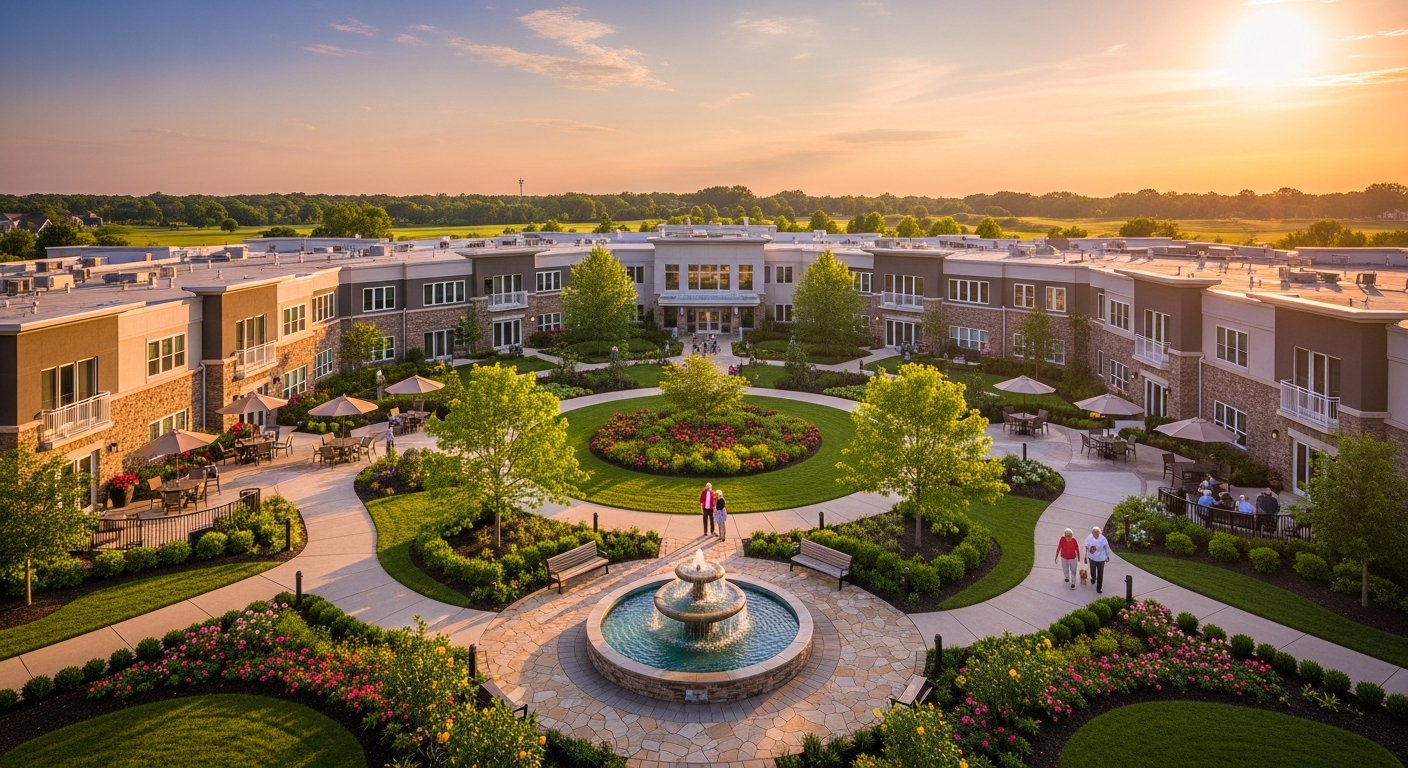
Here is the data-driven look at why the "Big Box" facility is dying and why the "Scattered-Site" model is the future of the asset class.
The Demographic Demand Curve: A 2026 Perspective
By 2035, for the first time in U.S. history, older adults are projected to outnumber children.
We are currently seeing 10,000 people turn 65 every single day.
Traditional institutional facilities are at capacity, and the cost of new "Purpose-Built" construction is skyrocketing due to labor and material costs.
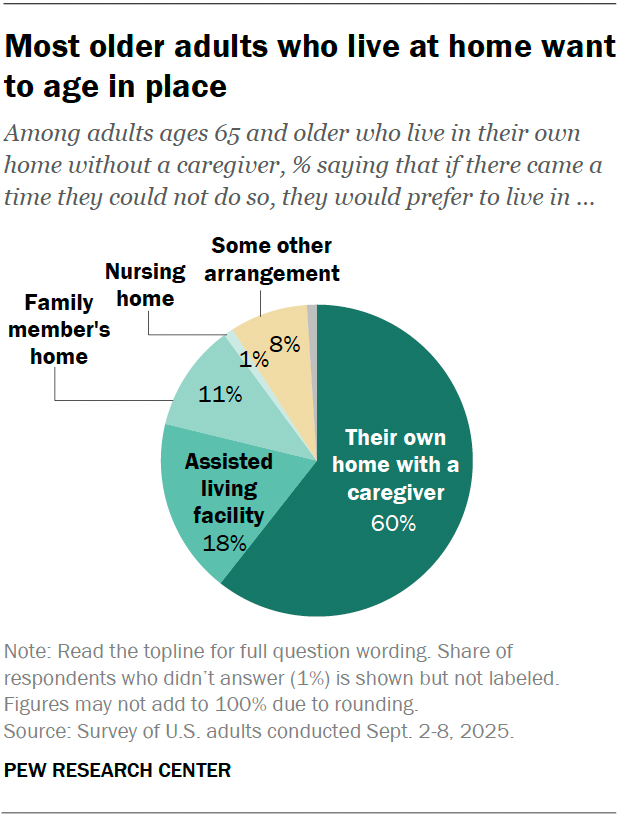
But the real story is in the preference data.
According to the Harvard Joint Center for Housing Studies, 77% of adults over 50 want to remain in their current homes. Further research from Today's Homeowner (2026 Survey) shows that this number climbs as high as 89% for those over 55.
They don't want to be "patients." They want to be residents.
The Wealth Factor: How They Will Pay
One of the biggest questions I get is: "Can they afford high-end independent living?"
The answer is found in the Federal Reserve's latest Financial Accounts of the United States.
The Baby Boomer generation holds roughly $78 trillion in wealth — accounting for roughly 50% of all household wealth in the U.S.
Perhaps more importantly for real estate investors, Americans aged 65 and older hold over $13 trillion in home equity. This represents nearly two-thirds of all residential equity in the country.
This generation isn't just "wealthy"; they are "equity-rich."
As they downsize or transition into tech-enabled senior housing, they are tapping into massive tranches of liquidity.
Whether through private pay, Home Equity Conversion Mortgages (HECM), or the expansion of Medicaid Home and Community-Based Services (HCBS) waivers, the capital is there to support a premium, independent lifestyle.
Think you know the facts behind the headlines?
5 questions · ~3 min
The Rise of the "Carebot" & Medical AI
The biggest barrier to aging in place has always been the cost of human labor.
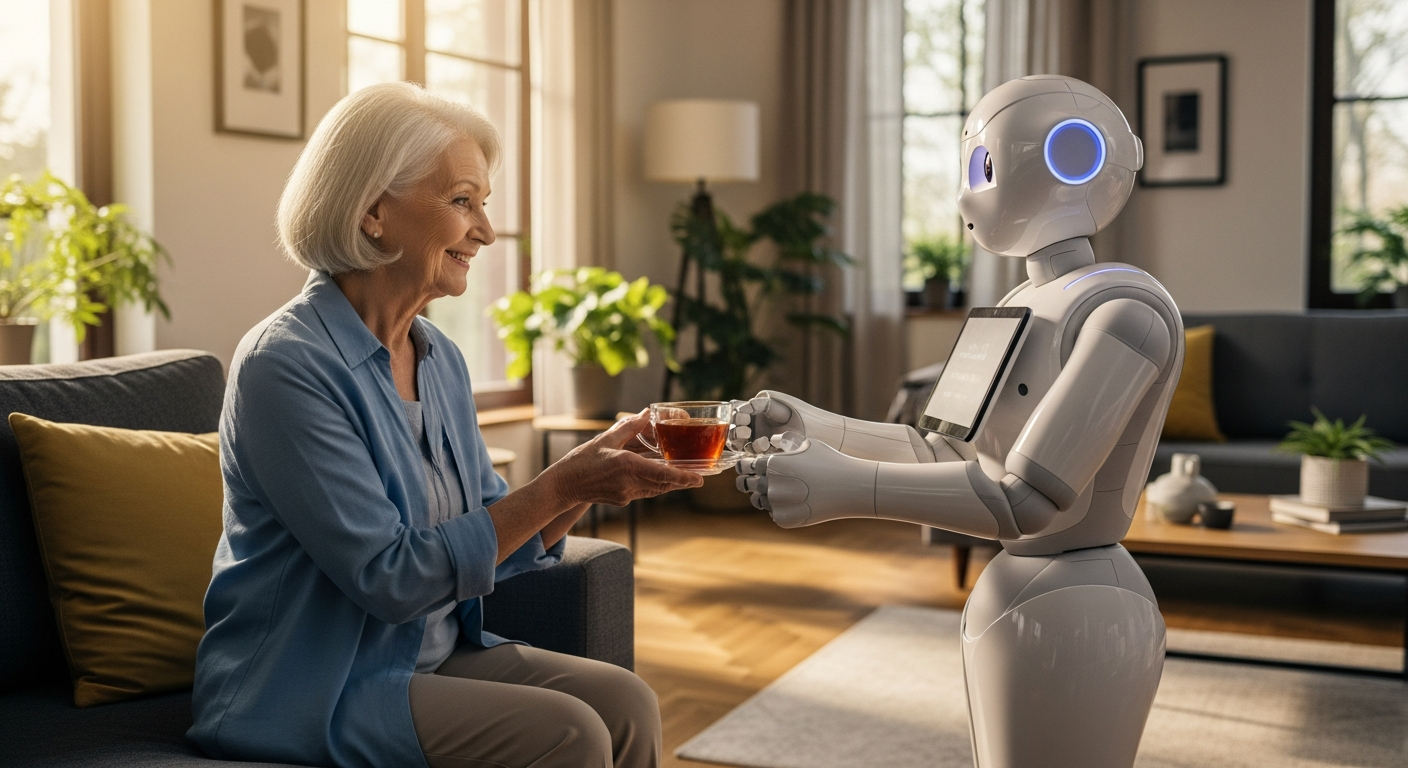
Recent publications in JMIR Aging have highlighted the breakthrough efficacy of "Socially Assistive Robots" (SARs).
Data from 2025–2026 clinical trials shows:
Fall Detection: AI-driven mmWave radar sensors (non-wearable) detect falls with up to 99.2% accuracy, reducing emergency response times by 40%.
Medication Adherence: Automated dispensers integrated with AI facial recognition have increased adherence rates from a baseline of 60% to over 98% in independent living settings.
Cognitive Support: A meta-analysis of 19 studies published in **The Gerontologist** confirms that AI-enabled social robots significantly reduce loneliness and apathy among older adults, acting as a primary defense against rapid cognitive decline.
The "Subscale" Strategy: Acquisition & Partnership with F6 Partners
The skeptics ask: "How do you manage 50 individual houses as efficiently as one 50-unit building?"
The answer lies in the approach pioneered by Marcus Ridgway and the team at F6 Partners.
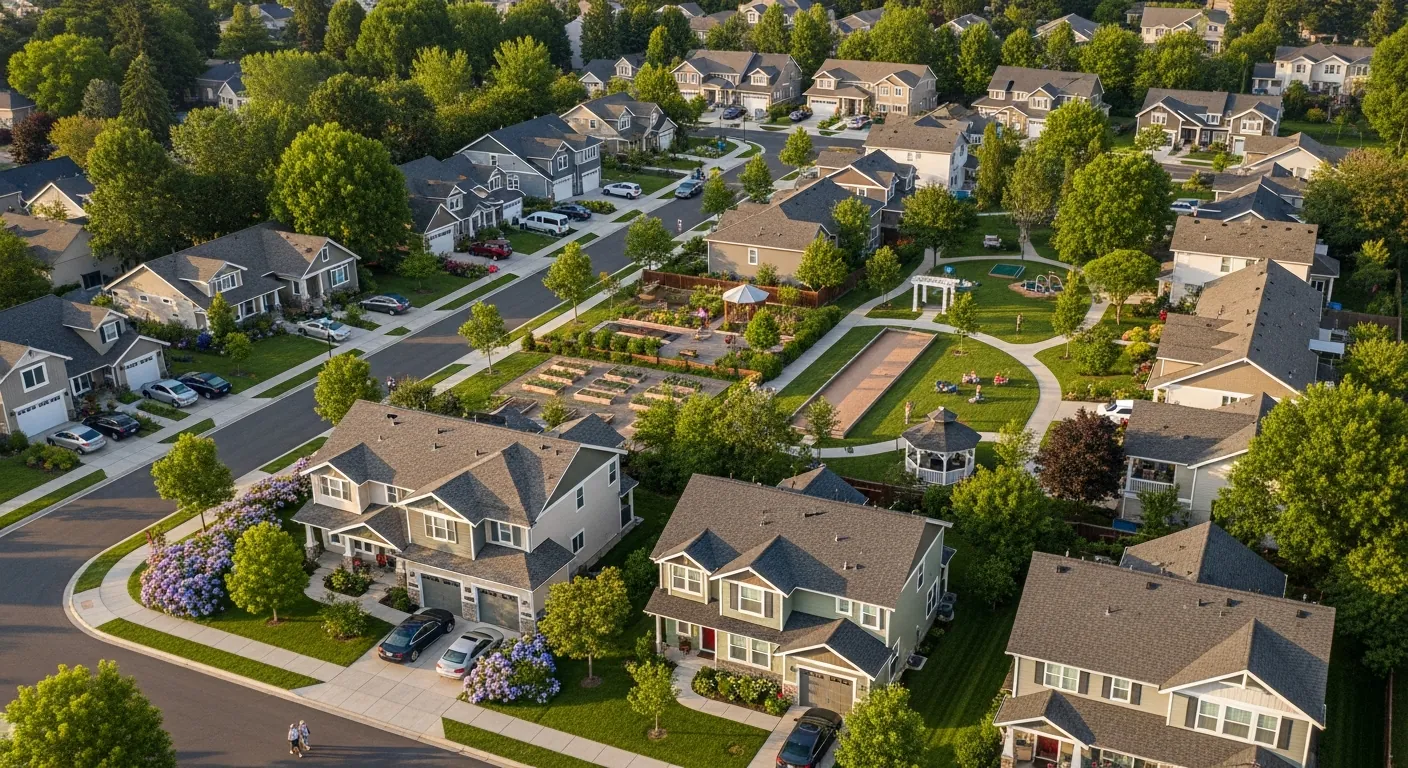
F6 acquires niche, residential, single and multifamily residences to form a diverse portfolio — this is the "Subscale" play. Marcus and F6 have institutionalized the acquisition of these assets, applying the same operational rigor used by the world's largest residential platforms.
But here's the key: F6 Partners does not manage the day-to-day operations of these senior housing units. Instead, they work with highly seasoned residential Senior Housing managers — management companies built and backed by registered nurses who have spent decades in the industry. These are operators who understand the clinical, emotional, and logistical realities of caring for aging residents because they've lived it themselves.
This partnership model is the real unlock. F6 brings institutional-grade acquisition and capital strategy. Their nurse-led management partners bring hands-on operational excellence. Together, the model scales without sacrificing the quality of care.
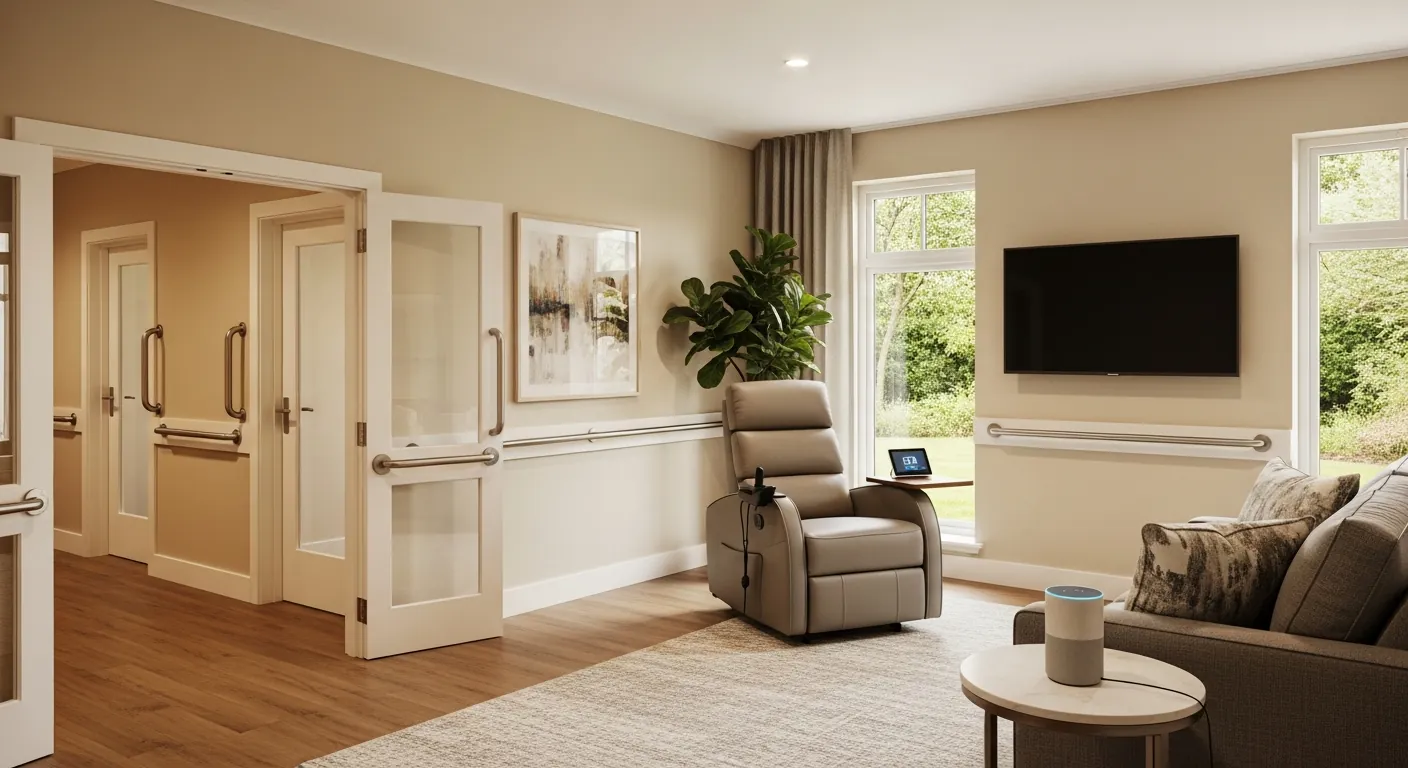
We take existing residential inventory — which is currently increasing — and outfit it with the "Golden Trio" of senior housing:
ADA Compliance: Wide doors, zero-entry showers, and smart lighting.
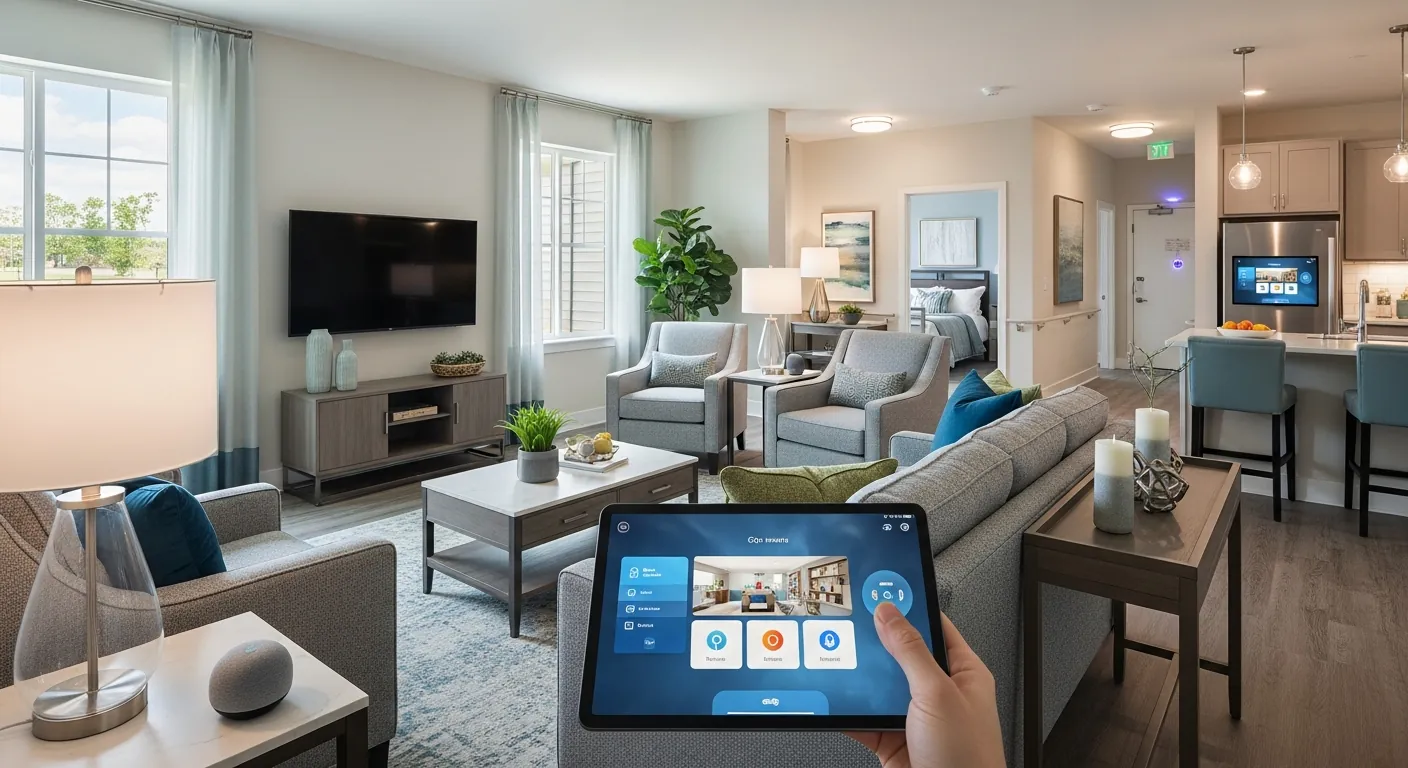
Tech-Conscious Design: Leveraging the right software and smart systems to streamline communication, management, and resident care — from trend visualization dashboards for investors and managers to patient-experience platforms that help seniors live more comfortably and independently.
Financing Flexibility: Creating assets that can be paid for via private rent, family support, or Medicaid.
The Economic Edge & Exit Strategy
From an investment standpoint, the exit strategy for a "Big Box" facility is limited. You can only sell it to another senior housing operator.
But a "Scattered-Site" portfolio?
Those are residential assets. They hold intrinsic value in the broader housing market.
You have multiple exit ramps: you can sell the portfolio to an institutional SFR buyer, or sell individual homes to traditional homeowners.
We are no longer just "warehousing the elderly."
We are curating a tech-enabled lifestyle that allows our seniors to live with dignity, privacy, and independence.
The future of senior housing isn't a facility.
It's a home.
In my recent newsletter, I mentioned that the "check engine" light is blinking for the senior housing industry.
The reality is that the "Silver Tsunami" isn't a future event — as we move into 2026, it is a current crisis of inventory.
But for the forward-thinking investor, it is the greatest opportunity of the decade.
Here is the data-driven look at why the "Big Box" facility is dying and why the "Scattered-Site" model is the future of the asset class.
The Demographic Demand Curve: A 2026 Perspective
By 2035, for the first time in U.S. history, older adults are projected to outnumber children.
We are currently seeing 10,000 people turn 65 every single day.
Traditional institutional facilities are at capacity, and the cost of new "Purpose-Built" construction is skyrocketing due to labor and material costs.
But the real story is in the preference data.
According to the Harvard Joint Center for Housing Studies, 77% of adults over 50 want to remain in their current homes. Further research from Today's Homeowner (2026 Survey) shows that this number climbs as high as 89% for those over 55.
They don't want to be "patients." They want to be residents.
The Wealth Factor: How They Will Pay
One of the biggest questions I get is: "Can they afford high-end independent living?"
The answer is found in the Federal Reserve's latest Financial Accounts of the United States.
The Baby Boomer generation holds roughly $78 trillion in wealth — accounting for roughly 50% of all household wealth in the U.S.
Perhaps more importantly for real estate investors, Americans aged 65 and older hold over $13 trillion in home equity. This represents nearly two-thirds of all residential equity in the country.
This generation isn't just "wealthy"; they are "equity-rich."
As they downsize or transition into tech-enabled senior housing, they are tapping into massive tranches of liquidity.
Whether through private pay, Home Equity Conversion Mortgages (HECM), or the expansion of Medicaid Home and Community-Based Services (HCBS) waivers, the capital is there to support a premium, independent lifestyle.
Think you know the facts behind the headlines?
5 questions · ~3 min
The Rise of the "Carebot" & Medical AI
The biggest barrier to aging in place has always been the cost of human labor.
Recent publications in JMIR Aging have highlighted the breakthrough efficacy of "Socially Assistive Robots" (SARs).
Data from 2025–2026 clinical trials shows:
Fall Detection: AI-driven mmWave radar sensors (non-wearable) detect falls with up to 99.2% accuracy, reducing emergency response times by 40%.
Medication Adherence: Automated dispensers integrated with AI facial recognition have increased adherence rates from a baseline of 60% to over 98% in independent living settings.
Cognitive Support: A meta-analysis of 19 studies published in **The Gerontologist** confirms that AI-enabled social robots significantly reduce loneliness and apathy among older adults, acting as a primary defense against rapid cognitive decline.
The "Subscale" Strategy: Acquisition & Partnership with F6 Partners
The skeptics ask: "How do you manage 50 individual houses as efficiently as one 50-unit building?"
The answer lies in the approach pioneered by Marcus Ridgway and the team at F6 Partners.
F6 acquires niche, residential, single and multifamily residences to form a diverse portfolio — this is the "Subscale" play. Marcus and F6 have institutionalized the acquisition of these assets, applying the same operational rigor used by the world's largest residential platforms.
But here's the key: F6 Partners does not manage the day-to-day operations of these senior housing units. Instead, they work with highly seasoned residential Senior Housing managers — management companies built and backed by registered nurses who have spent decades in the industry. These are operators who understand the clinical, emotional, and logistical realities of caring for aging residents because they've lived it themselves.
This partnership model is the real unlock. F6 brings institutional-grade acquisition and capital strategy. Their nurse-led management partners bring hands-on operational excellence. Together, the model scales without sacrificing the quality of care.
We take existing residential inventory — which is currently increasing — and outfit it with the "Golden Trio" of senior housing:
ADA Compliance: Wide doors, zero-entry showers, and smart lighting.
Tech-Conscious Design: Leveraging the right software and smart systems to streamline communication, management, and resident care — from trend visualization dashboards for investors and managers to patient-experience platforms that help seniors live more comfortably and independently.
Financing Flexibility: Creating assets that can be paid for via private rent, family support, or Medicaid.
The Economic Edge & Exit Strategy
From an investment standpoint, the exit strategy for a "Big Box" facility is limited. You can only sell it to another senior housing operator.
But a "Scattered-Site" portfolio?
Those are residential assets. They hold intrinsic value in the broader housing market.
You have multiple exit ramps: you can sell the portfolio to an institutional SFR buyer, or sell individual homes to traditional homeowners.
We are no longer just "warehousing the elderly."
We are curating a tech-enabled lifestyle that allows our seniors to live with dignity, privacy, and independence.
The future of senior housing isn't a facility.
It's a home.
Test Your Knowledge
How well do you know senior housing markets?

Andrew LeBaron