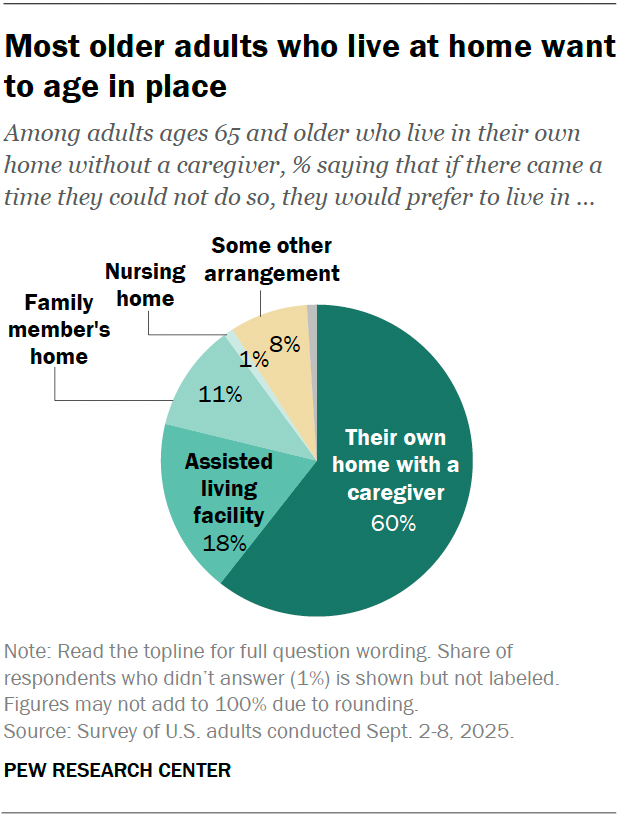
TL;DR
Only 809 new senior housing units opened in Q2 2025, representing less than 1% inventory growth — the lowest level since 2005. Just 19,500 units are currently under construction, the fewest since 2013. The industry is building roughly 26,000 units per year when demographic projections demand 90,000+ annually through 2040. The result is a $275 billion supply gap by 2030 and an $800 billion investment gap by 2050. This is not a correction — it's a crisis, and it's creating the most compelling supply-demand imbalance in commercial real estate.
The Numbers Are Staggering
Let me put this in perspective because I don't think enough people in our industry fully grasp what's happening. In Q2 2025, the entire senior housing industry delivered 809 units nationally. That's it. In a country with 73 million baby boomers aging into their 70s and 80s, we added fewer units in a quarter than a single mid-rise apartment complex contains.
The inventory growth rate has dropped below 1% — the lowest level since NIC began tracking this data in 2005. And the construction pipeline offers no relief. With only 19,500 units under construction nationally, the lowest count since 2013, there is no wave of supply coming to rescue this market. Innovative approaches like the scattered-site senior housing revolution moving beyond the big box may help address portions of the gap, but the scale of the deficit demands massive new investment.
At F6 Partners, we've been sounding this alarm for over a year. The math is unforgiving: we're building approximately 26,000 units per year. We need 90,000+ annually through 2040 just to keep pace with demographic demand. That gap isn't closing — it's widening. As we explored in our analysis of the silver tsunami reshaping senior housing demographics, the demand wave is only accelerating.

Senior Housing Units Delivered per Quarter (2019–2026)
Senior housing deliveries have slowed dramatically as construction costs and financing challenges deter new development, deepening the supply deficit when demand is accelerating.
Think you know the facts behind the headlines?
5 questions · ~3 min
Why Construction Has Stalled
The construction slowdown isn't a mystery. It's the predictable result of several converging forces that have made ground-up senior housing development extraordinarily difficult.
First, construction costs have escalated dramatically. Steel tariffs, labor shortages, and supply chain disruptions have pushed all-in development costs to levels that challenge project feasibility in all but the strongest markets. A typical assisted living community that cost $180,000 per unit to build in 2019 now runs $250,000 or more.
Second, financing has been constrained. Lenders pulled back from senior housing construction loans after the pandemic exposed operational vulnerabilities, and many haven't fully returned. The projects that do get financed face higher rates and tighter terms that compress developer returns.
Third, and this is the one that doesn't get enough attention, entitlement and permitting timelines have stretched dramatically. NIMBYism around senior housing development is real, and the regulatory burden adds 12-18 months to project timelines in many markets.
Senior Housing Units Under Construction (2019–2026)
The senior housing construction pipeline has contracted to its smallest level in years, setting up a severe supply shortage as the 80-plus population surges.
Average Cost per Senior Housing Unit (2019–2026)
The cost of building a single senior housing unit has risen sharply, making new development harder to pencil and giving existing properties a significant competitive moat.
The Supply Gap Is an Investment Thesis
Here's where I want to shift from diagnosis to opportunity, because this is where my faith in the senior housing sector comes through most strongly. The $275 billion supply gap by 2030 isn't just a statistic — it's an investment thesis.
When supply can't keep pace with demand, occupancy rises. When occupancy rises, operators gain pricing power. When operators gain pricing power, asset values increase. This is the fundamental cycle that makes senior housing one of the most compelling asset classes in commercial real estate right now.
The $275 billion supply gap deepening across senior housing is only the beginning. The $800 billion investment gap projected by 2050 represents the total capital needed to build, renovate, and operate the senior housing stock required to serve the aging population. That's not my number — it's the projection from NIC and leading industry researchers. Every dollar of that gap represents an opportunity for investors who are positioned to deploy capital into this sector.
At F6 Partners, we're focused on identifying development and acquisition opportunities in markets where the supply-demand imbalance is most acute. We believe that the operators and investors who move aggressively during this construction trough will generate outsized returns as demographic demand overwhelms the limited supply pipeline.
A Moral Imperative
I'll close with something personal. My grandmother spent her final years in a senior living community that was warm, caring, and full of life. Not everyone's grandparent has that option, and the construction crisis we're living through is making it harder for families to find quality care for their loved ones.
This is an investment opportunity, yes. But it's also a moral imperative. Building senior housing isn't just about returns — it's about ensuring that the generation who built this country has a dignified, comfortable place to live in their later years. At F6 Partners, we hold that conviction close, and it drives everything we do in this sector.
TL;DR
Only 809 new senior housing units opened in Q2 2025, representing less than 1% inventory growth — the lowest level since 2005. Just 19,500 units are currently under construction, the fewest since 2013. The industry is building roughly 26,000 units per year when demographic projections demand 90,000+ annually through 2040. The result is a $275 billion supply gap by 2030 and an $800 billion investment gap by 2050. This is not a correction — it's a crisis, and it's creating the most compelling supply-demand imbalance in commercial real estate.
The Numbers Are Staggering
Let me put this in perspective because I don't think enough people in our industry fully grasp what's happening. In Q2 2025, the entire senior housing industry delivered 809 units nationally. That's it. In a country with 73 million baby boomers aging into their 70s and 80s, we added fewer units in a quarter than a single mid-rise apartment complex contains.
The inventory growth rate has dropped below 1% — the lowest level since NIC began tracking this data in 2005. And the construction pipeline offers no relief. With only 19,500 units under construction nationally, the lowest count since 2013, there is no wave of supply coming to rescue this market. Innovative approaches like the scattered-site senior housing revolution moving beyond the big box may help address portions of the gap, but the scale of the deficit demands massive new investment.
At F6 Partners, we've been sounding this alarm for over a year. The math is unforgiving: we're building approximately 26,000 units per year. We need 90,000+ annually through 2040 just to keep pace with demographic demand. That gap isn't closing — it's widening. As we explored in our analysis of the silver tsunami reshaping senior housing demographics, the demand wave is only accelerating.
Senior Housing Units Delivered per Quarter (2019–2026)
Senior housing deliveries have slowed dramatically as construction costs and financing challenges deter new development, deepening the supply deficit when demand is accelerating.
Think you know the facts behind the headlines?
5 questions · ~3 min
Why Construction Has Stalled
The construction slowdown isn't a mystery. It's the predictable result of several converging forces that have made ground-up senior housing development extraordinarily difficult.
First, construction costs have escalated dramatically. Steel tariffs, labor shortages, and supply chain disruptions have pushed all-in development costs to levels that challenge project feasibility in all but the strongest markets. A typical assisted living community that cost $180,000 per unit to build in 2019 now runs $250,000 or more.
Second, financing has been constrained. Lenders pulled back from senior housing construction loans after the pandemic exposed operational vulnerabilities, and many haven't fully returned. The projects that do get financed face higher rates and tighter terms that compress developer returns.
Third, and this is the one that doesn't get enough attention, entitlement and permitting timelines have stretched dramatically. NIMBYism around senior housing development is real, and the regulatory burden adds 12-18 months to project timelines in many markets.
Senior Housing Units Under Construction (2019–2026)
The senior housing construction pipeline has contracted to its smallest level in years, setting up a severe supply shortage as the 80-plus population surges.
Average Cost per Senior Housing Unit (2019–2026)
The cost of building a single senior housing unit has risen sharply, making new development harder to pencil and giving existing properties a significant competitive moat.
The Supply Gap Is an Investment Thesis
Here's where I want to shift from diagnosis to opportunity, because this is where my faith in the senior housing sector comes through most strongly. The $275 billion supply gap by 2030 isn't just a statistic — it's an investment thesis.
When supply can't keep pace with demand, occupancy rises. When occupancy rises, operators gain pricing power. When operators gain pricing power, asset values increase. This is the fundamental cycle that makes senior housing one of the most compelling asset classes in commercial real estate right now.
The $275 billion supply gap deepening across senior housing is only the beginning. The $800 billion investment gap projected by 2050 represents the total capital needed to build, renovate, and operate the senior housing stock required to serve the aging population. That's not my number — it's the projection from NIC and leading industry researchers. Every dollar of that gap represents an opportunity for investors who are positioned to deploy capital into this sector.
At F6 Partners, we're focused on identifying development and acquisition opportunities in markets where the supply-demand imbalance is most acute. We believe that the operators and investors who move aggressively during this construction trough will generate outsized returns as demographic demand overwhelms the limited supply pipeline.
A Moral Imperative
I'll close with something personal. My grandmother spent her final years in a senior living community that was warm, caring, and full of life. Not everyone's grandparent has that option, and the construction crisis we're living through is making it harder for families to find quality care for their loved ones.
This is an investment opportunity, yes. But it's also a moral imperative. Building senior housing isn't just about returns — it's about ensuring that the generation who built this country has a dignified, comfortable place to live in their later years. At F6 Partners, we hold that conviction close, and it drives everything we do in this sector.
Test Your Knowledge
How well do you know senior housing markets?

Andrew LeBaron