TL;DR
The multifamily rental market just set a record that every CRE investor should internalize: 22.4 million households now rent in multifamily properties, an all-time high. Rental occupancy exceeds 95% in nearly one-third of the 75 largest U.S. metros. March 2025 data showed occupancy increasing in 36 of those 75 markets. And perhaps most importantly, a growing number of renters are viewing their apartments not as a temporary stop but as a "forever home." The structural shift toward renting is real, and it's reshaping the investment landscape.
The Record We Can't Ignore
Twenty-two point four million. That's the number of households renting in multifamily properties as of early 2025. It's not just a new high — it represents a fundamental shift in how Americans view housing.
For decades, the path was clear: rent in your 20s, buy in your 30s, upgrade in your 40s. That formula broke. Homeownership affordability has deteriorated so significantly that millions of Americans who would have been homeowners in previous generations are now long-term renters. And they're not unhappy about it — they're choosing it.
The median home price in America now exceeds $400,000. Mortgage rates, while lower than their 2023 peaks, remain in the 6-7% range. For a household earning the national median income, the monthly payment on a median-priced home with 20% down exceeds $2,500 before taxes and insurance. That's simply unaffordable for most families, especially in high-cost coastal markets.
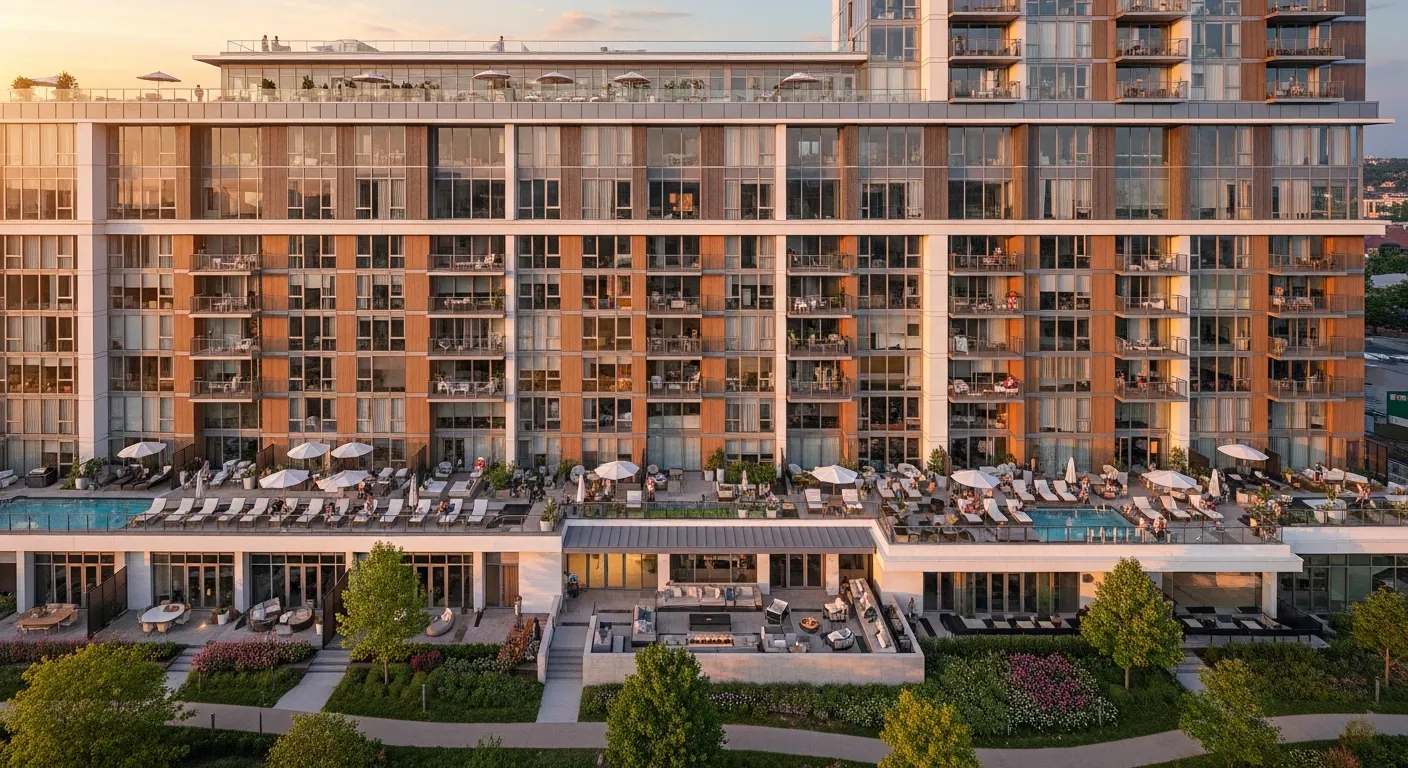
Multifamily Renter Households (Millions)
The number of U.S. renter households continues to climb, reaching a record 22.4 million and reinforcing the structural demand story for apartment investors.
U.S. Median Home Price ($K)
Soaring home prices have pushed homeownership further out of reach for many Americans, locking in structural demand for rental housing across all income levels.
Think you know the real numbers behind these deals?
5 questions · ~3 min
Why Renters Are Staying Put
The data from March 2025 tells a compelling story: occupancy increased in 36 of the 75 largest metros, and exceeded 95% in nearly one-third of those markets. These are not the numbers of a market experiencing overbuilding or softening demand. They're the numbers of a market where people are staying.
Several forces are driving this:
- Homeownership affordability gap. The gap between renting and owning has never been wider in most markets, keeping potential homebuyers in the rental pool.
- Lifestyle preferences. Younger renters value flexibility, amenities, and freedom from maintenance responsibilities. They're choosing to rent even when they could technically afford to buy.
- "Forever renter" mentality. An increasing number of Americans in their 30s, 40s, and 50s have accepted that renting is their long-term housing solution. They're investing in their rental experience — demanding better amenities, larger floor plans, and community features.
- Migration patterns. Americans continue to move to Sun Belt metros where multifamily margins face compression as rental supply struggles to keep pace with population growth.
The "forever home" shift is particularly significant because it changes the renter demographic. These aren't transient tenants — they're stable, long-term residents who treat their apartments like homes. For operators, this means lower turnover, more predictable cash flows, and residents who care about their communities.
National Multifamily Occupancy Rate (%)
Multifamily occupancy dipped slightly from its 2021 peak as record new supply was delivered, but remains historically healthy in most markets nationwide.
We're witnessing a structural transformation in American housing. The 22.4 million multifamily renter households aren't waiting to become homeowners — many have made a deliberate choice. This changes everything about how we underwrite, operate, and invest in multifamily real estate.
— Doug Bibby, Former President, National Multifamily Housing Council
The Investor Implications
For multifamily investors, the record renter population creates a fundamental floor under demand that didn't exist a decade ago. Here's how I think about the implications:
Occupancy stability. When 22.4 million households are renting in multifamily properties and occupancy is above 95% in major markets, you have a demand base that can absorb new supply without significant disruption. The markets that added the most units in 2024 are already seeing occupancy recover as absorption catches up.
Rent growth durability. Long-term renters create more predictable rent growth because they're less likely to move over small rent increases. Retention rates above 55-60% allow operators to push rents annually without losing occupancy.
Value-add opportunity. The "forever renter" demands higher quality. Properties that invest in modern finishes, premium amenities, and community programming capture these residents and command rent premiums. Value-add multifamily — acquiring older properties and upgrading them — remains one of the most reliable strategies in CRE.
Geographic diversification. The 36 metros showing occupancy improvement span both coastal and Sun Belt markets. This breadth suggests that multifamily strength is national, not concentrated in a few markets — a key reason why both private real estate and public REITs are heavily weighted toward the sector.
Looking Ahead
The structural shift toward renting is not a short-term phenomenon. The factors driving it — housing affordability, student loan burdens, lifestyle preferences, and migration to high-growth metros — are durable trends that will persist for years.
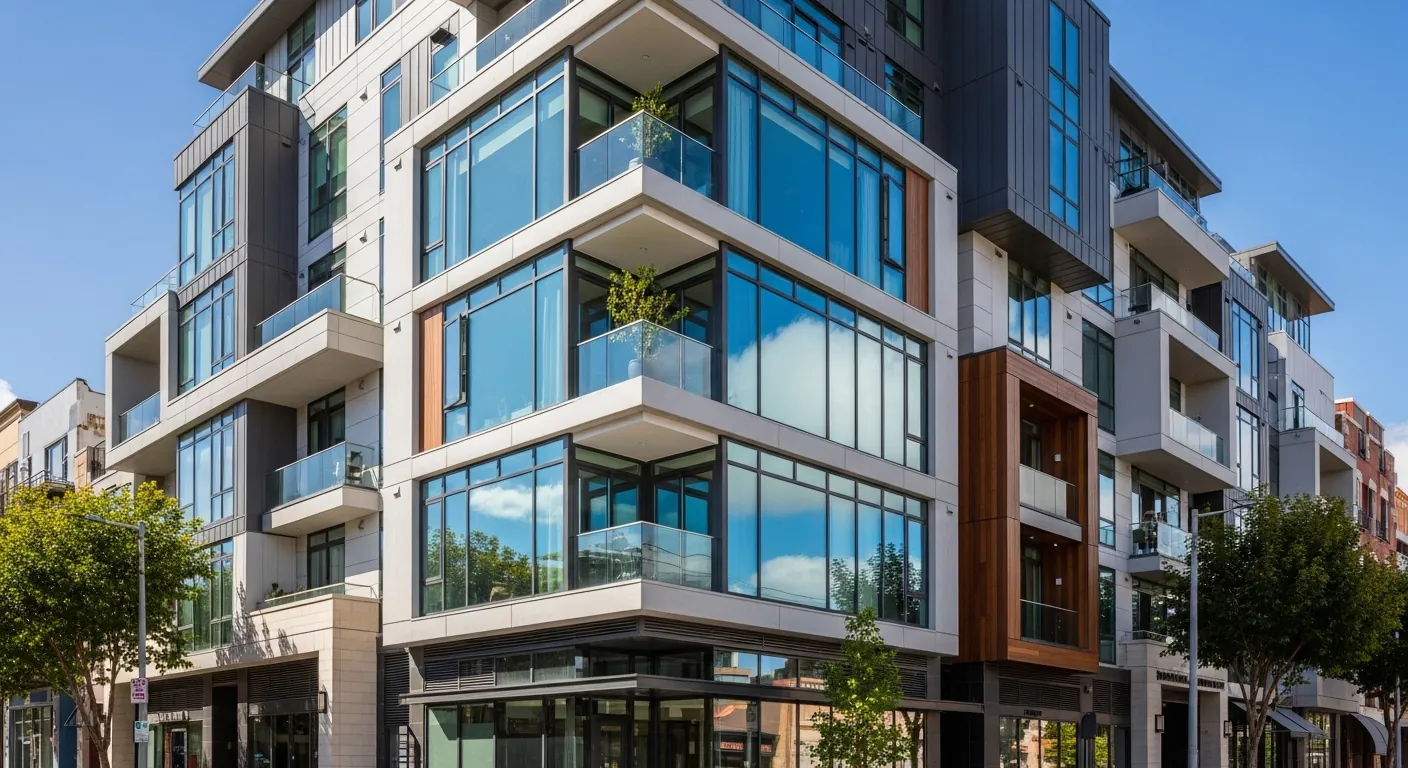
At F6 Partners, multifamily has always been central to our investment thesis. Whether it's workforce housing serving essential employees, student housing near major universities, or conventional multifamily in growing metros, the demand story is the same: America needs more rental housing, and the gap between supply and demand continues to widen.
The 22.4 million household figure isn't just a record — it's a statement about where the market is heading. Every projection shows this number growing over the next decade. Investors who position in multifamily today aren't speculating. They're aligning with the most powerful housing trend in American real estate.
TL;DR
The multifamily rental market just set a record that every CRE investor should internalize: 22.4 million households now rent in multifamily properties, an all-time high. Rental occupancy exceeds 95% in nearly one-third of the 75 largest U.S. metros. March 2025 data showed occupancy increasing in 36 of those 75 markets. And perhaps most importantly, a growing number of renters are viewing their apartments not as a temporary stop but as a "forever home." The structural shift toward renting is real, and it's reshaping the investment landscape.
The Record We Can't Ignore
Twenty-two point four million. That's the number of households renting in multifamily properties as of early 2025. It's not just a new high — it represents a fundamental shift in how Americans view housing.
For decades, the path was clear: rent in your 20s, buy in your 30s, upgrade in your 40s. That formula broke. Homeownership affordability has deteriorated so significantly that millions of Americans who would have been homeowners in previous generations are now long-term renters. And they're not unhappy about it — they're choosing it.
The median home price in America now exceeds $400,000. Mortgage rates, while lower than their 2023 peaks, remain in the 6-7% range. For a household earning the national median income, the monthly payment on a median-priced home with 20% down exceeds $2,500 before taxes and insurance. That's simply unaffordable for most families, especially in high-cost coastal markets.
Multifamily Renter Households (Millions)
The number of U.S. renter households continues to climb, reaching a record 22.4 million and reinforcing the structural demand story for apartment investors.
U.S. Median Home Price ($K)
Soaring home prices have pushed homeownership further out of reach for many Americans, locking in structural demand for rental housing across all income levels.
Think you know the real numbers behind these deals?
5 questions · ~3 min
Why Renters Are Staying Put
The data from March 2025 tells a compelling story: occupancy increased in 36 of the 75 largest metros, and exceeded 95% in nearly one-third of those markets. These are not the numbers of a market experiencing overbuilding or softening demand. They're the numbers of a market where people are staying.
Several forces are driving this:
- Homeownership affordability gap. The gap between renting and owning has never been wider in most markets, keeping potential homebuyers in the rental pool.
- Lifestyle preferences. Younger renters value flexibility, amenities, and freedom from maintenance responsibilities. They're choosing to rent even when they could technically afford to buy.
- "Forever renter" mentality. An increasing number of Americans in their 30s, 40s, and 50s have accepted that renting is their long-term housing solution. They're investing in their rental experience — demanding better amenities, larger floor plans, and community features.
- Migration patterns. Americans continue to move to Sun Belt metros where multifamily margins face compression as rental supply struggles to keep pace with population growth.
The "forever home" shift is particularly significant because it changes the renter demographic. These aren't transient tenants — they're stable, long-term residents who treat their apartments like homes. For operators, this means lower turnover, more predictable cash flows, and residents who care about their communities.
National Multifamily Occupancy Rate (%)
Multifamily occupancy dipped slightly from its 2021 peak as record new supply was delivered, but remains historically healthy in most markets nationwide.
We're witnessing a structural transformation in American housing. The 22.4 million multifamily renter households aren't waiting to become homeowners — many have made a deliberate choice. This changes everything about how we underwrite, operate, and invest in multifamily real estate.
— Doug Bibby, Former President, National Multifamily Housing Council
The Investor Implications
For multifamily investors, the record renter population creates a fundamental floor under demand that didn't exist a decade ago. Here's how I think about the implications:
Occupancy stability. When 22.4 million households are renting in multifamily properties and occupancy is above 95% in major markets, you have a demand base that can absorb new supply without significant disruption. The markets that added the most units in 2024 are already seeing occupancy recover as absorption catches up.
Rent growth durability. Long-term renters create more predictable rent growth because they're less likely to move over small rent increases. Retention rates above 55-60% allow operators to push rents annually without losing occupancy.
Value-add opportunity. The "forever renter" demands higher quality. Properties that invest in modern finishes, premium amenities, and community programming capture these residents and command rent premiums. Value-add multifamily — acquiring older properties and upgrading them — remains one of the most reliable strategies in CRE.
Geographic diversification. The 36 metros showing occupancy improvement span both coastal and Sun Belt markets. This breadth suggests that multifamily strength is national, not concentrated in a few markets — a key reason why both private real estate and public REITs are heavily weighted toward the sector.
Looking Ahead
The structural shift toward renting is not a short-term phenomenon. The factors driving it — housing affordability, student loan burdens, lifestyle preferences, and migration to high-growth metros — are durable trends that will persist for years.
At F6 Partners, multifamily has always been central to our investment thesis. Whether it's workforce housing serving essential employees, student housing near major universities, or conventional multifamily in growing metros, the demand story is the same: America needs more rental housing, and the gap between supply and demand continues to widen.
The 22.4 million household figure isn't just a record — it's a statement about where the market is heading. Every projection shows this number growing over the next decade. Investors who position in multifamily today aren't speculating. They're aligning with the most powerful housing trend in American real estate.
Test Your Knowledge
How well do you know commercial real estate?

Andrew LeBaron