TL;DR
National average student housing rent has reached $905 per bed with 0.8% annual growth per Yardi Matrix. Cushman & Wakefield reports an even stronger $1,017 per bed with 3.4% year-over-year growth for institutional-quality properties. Student housing rent growth consistently outperforms conventional multifamily. But affordability is becoming a real conversation — 23% of UK student beds now exceed maximum Maintenance Loan levels, and the pressure is building domestically too. Students are prioritizing value, convenience, and location over luxury amenities. The market is shifting from extravagant to functional, and smart operators are adapting.
$905 Per Bed: The National Baseline
The $905 per bed national average from Yardi Matrix tells one version of the student housing story, and the $1,017 per bed from Cushman & Wakefield tells another. Both are correct — the difference is the universe of properties each tracks.
Yardi captures the broadest dataset including Class B and C assets, older inventory, and properties at smaller institutions. Cushman focuses on institutional-quality purpose-built communities near major research universities. At F6 Partners, the Cushman number is more relevant to our investment thesis because it represents the asset quality we target.
But here's the number that matters most to me: student housing rents have consistently outperformed conventional multifamily rent growth over the past five years. That outperformance isn't an accident — it's a structural feature of a market where supply is constrained by campus proximity, entitlement difficulty, and high construction costs, while demand is anchored by enrollment that grows regardless of economic conditions.

National Avg Student Housing Rent Per Bed ($)
Student housing rents per bed have climbed steadily, outpacing inflation as strong enrollment and limited supply give operators meaningful pricing power.
Think you know the facts behind the headlines?
5 questions · ~3 min
The Affordability Question
I want to address the affordability concern directly because it's the elephant in the room that too many student housing operators are ignoring. In the UK, 23% of student beds now cost more than the maximum Maintenance Loan — meaning students literally cannot cover their housing costs through standard financial aid without supplemental funding from family or employment.
The US market hasn't hit that inflection point yet, but the trajectory is concerning. When total cost of attendance — including housing — becomes a barrier to enrollment, it eventually constrains the demand that supports our asset class. Smart operators should be watching this closely.
What we're seeing at F6 Partners is a meaningful shift in student preferences. The Class of 2026 and beyond is not the same consumer as the Class of 2018. Today's students are more price-conscious, more value-oriented, and more pragmatic about what they need in their housing.

Student Housing vs. Multifamily Rent Growth (%)
Student housing rent growth has consistently outperformed conventional multifamily, benefiting from captive demand and structural supply constraints near universities.
From Extravagant to Functional
The shift from extravagant amenities to functional, well-located housing is one of the most important trends in student housing right now. Five years ago, developers competed on who could build the most impressive rooftop pool, the most lavish clubhouse, or the most Instagram-worthy common area. That arms race is cooling.
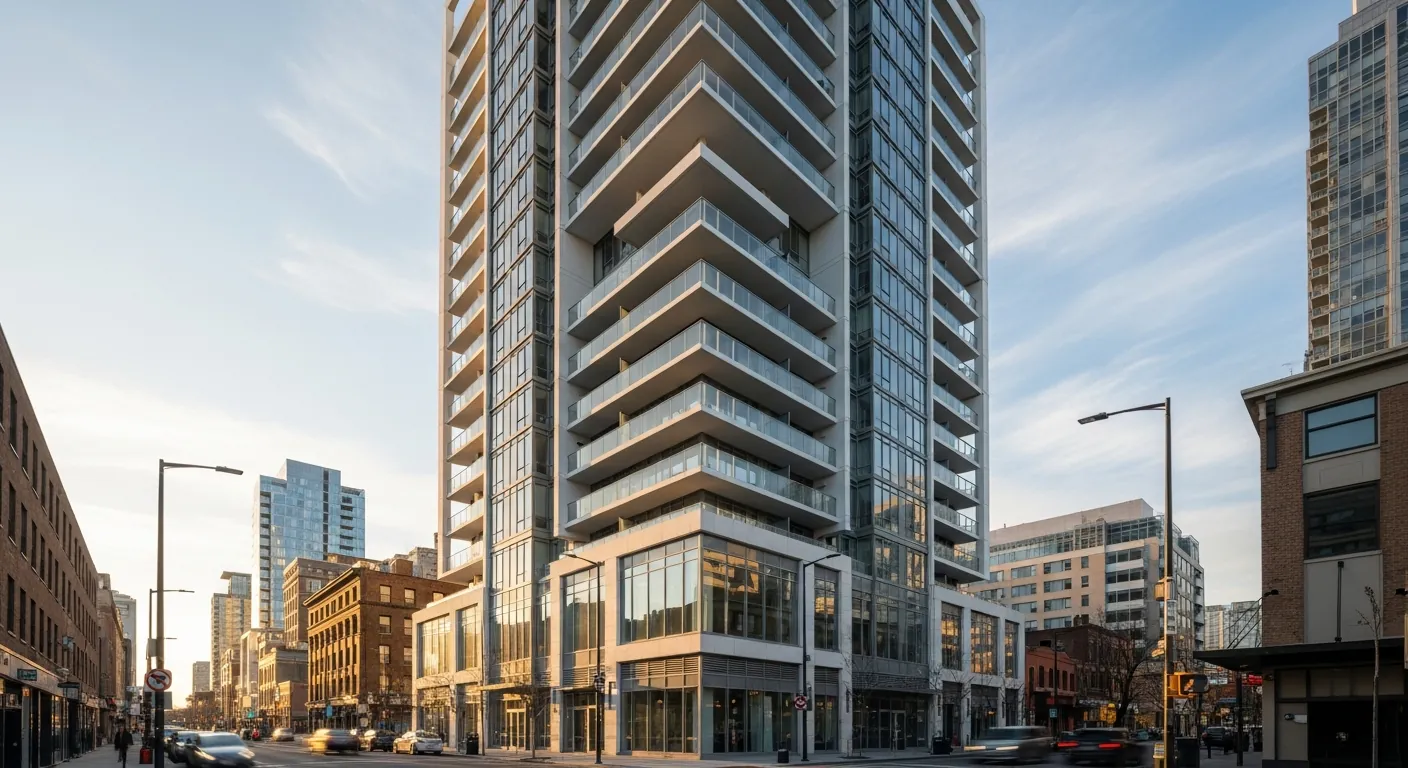
Students are telling us with their leasing decisions that they'd rather have a well-maintained, competitively priced unit within walking distance of campus than a luxury experience with a premium price tag three miles away. Location and value are winning over flash and features.
This doesn't mean amenities don't matter — they absolutely do. But the amenities that drive leasing decisions have changed. High-speed internet, functional study spaces, in-unit laundry, and reliable maintenance response are the differentiators. Resort-style pools and juice bars are nice-to-haves, not deal-makers.
At F6 Partners, this shift in consumer preference validates our focus on value-add acquisitions and repositioning strategies near Tier 1 universities. Properties that deliver quality basics at competitive price points in premium locations are the ones achieving 95%+ occupancy. The overbuilt luxury product further from campus is where we see the softness.
Why Outperformance Continues
Despite the affordability conversation, student housing rents continue to outperform conventional multifamily for fundamental reasons. University enrollment is growing, with pre-leasing numbers showing strong 2025 demand. International student populations are recovering. Purpose-built supply remains constrained. Some operators are even exploring scattered-site student housing strategies with duplexes near campus to fill gaps in affordability. And the alternative — commuting from off-campus apartments — is becoming less attractive as students prioritize the integrated campus experience.
The operators who will thrive in the next cycle are the ones who respect the affordability reality, deliver genuine value, and locate their assets where demand is most concentrated. At F6 Partners, that's been our playbook from day one.
TL;DR
National average student housing rent has reached $905 per bed with 0.8% annual growth per Yardi Matrix. Cushman & Wakefield reports an even stronger $1,017 per bed with 3.4% year-over-year growth for institutional-quality properties. Student housing rent growth consistently outperforms conventional multifamily. But affordability is becoming a real conversation — 23% of UK student beds now exceed maximum Maintenance Loan levels, and the pressure is building domestically too. Students are prioritizing value, convenience, and location over luxury amenities. The market is shifting from extravagant to functional, and smart operators are adapting.
$905 Per Bed: The National Baseline
The $905 per bed national average from Yardi Matrix tells one version of the student housing story, and the $1,017 per bed from Cushman & Wakefield tells another. Both are correct — the difference is the universe of properties each tracks.
Yardi captures the broadest dataset including Class B and C assets, older inventory, and properties at smaller institutions. Cushman focuses on institutional-quality purpose-built communities near major research universities. At F6 Partners, the Cushman number is more relevant to our investment thesis because it represents the asset quality we target.
But here's the number that matters most to me: student housing rents have consistently outperformed conventional multifamily rent growth over the past five years. That outperformance isn't an accident — it's a structural feature of a market where supply is constrained by campus proximity, entitlement difficulty, and high construction costs, while demand is anchored by enrollment that grows regardless of economic conditions.
National Avg Student Housing Rent Per Bed ($)
Student housing rents per bed have climbed steadily, outpacing inflation as strong enrollment and limited supply give operators meaningful pricing power.
Think you know the facts behind the headlines?
5 questions · ~3 min
The Affordability Question
I want to address the affordability concern directly because it's the elephant in the room that too many student housing operators are ignoring. In the UK, 23% of student beds now cost more than the maximum Maintenance Loan — meaning students literally cannot cover their housing costs through standard financial aid without supplemental funding from family or employment.
The US market hasn't hit that inflection point yet, but the trajectory is concerning. When total cost of attendance — including housing — becomes a barrier to enrollment, it eventually constrains the demand that supports our asset class. Smart operators should be watching this closely.
What we're seeing at F6 Partners is a meaningful shift in student preferences. The Class of 2026 and beyond is not the same consumer as the Class of 2018. Today's students are more price-conscious, more value-oriented, and more pragmatic about what they need in their housing.
Student Housing vs. Multifamily Rent Growth (%)
Student housing rent growth has consistently outperformed conventional multifamily, benefiting from captive demand and structural supply constraints near universities.
From Extravagant to Functional
The shift from extravagant amenities to functional, well-located housing is one of the most important trends in student housing right now. Five years ago, developers competed on who could build the most impressive rooftop pool, the most lavish clubhouse, or the most Instagram-worthy common area. That arms race is cooling.
Students are telling us with their leasing decisions that they'd rather have a well-maintained, competitively priced unit within walking distance of campus than a luxury experience with a premium price tag three miles away. Location and value are winning over flash and features.
This doesn't mean amenities don't matter — they absolutely do. But the amenities that drive leasing decisions have changed. High-speed internet, functional study spaces, in-unit laundry, and reliable maintenance response are the differentiators. Resort-style pools and juice bars are nice-to-haves, not deal-makers.
At F6 Partners, this shift in consumer preference validates our focus on value-add acquisitions and repositioning strategies near Tier 1 universities. Properties that deliver quality basics at competitive price points in premium locations are the ones achieving 95%+ occupancy. The overbuilt luxury product further from campus is where we see the softness.
Why Outperformance Continues
Despite the affordability conversation, student housing rents continue to outperform conventional multifamily for fundamental reasons. University enrollment is growing, with pre-leasing numbers showing strong 2025 demand. International student populations are recovering. Purpose-built supply remains constrained. Some operators are even exploring scattered-site student housing strategies with duplexes near campus to fill gaps in affordability. And the alternative — commuting from off-campus apartments — is becoming less attractive as students prioritize the integrated campus experience.
The operators who will thrive in the next cycle are the ones who respect the affordability reality, deliver genuine value, and locate their assets where demand is most concentrated. At F6 Partners, that's been our playbook from day one.
Test Your Knowledge
How well do you know student housing markets?

Andrew LeBaron