TL;DR
Pre-leasing velocity for Fall 2025 is outpacing every previous year on record. New supply is dropping from 35,000 beds in 2024 to approximately 27,000 in 2025. Average price per bed sits at $98,000, occupancy is targeting 95.1%, and SEC and Big Ten conference schools are driving the strongest demand. The supply-demand imbalance in student housing is widening, not narrowing — and that's exactly where we want to be.
The Pre-Leasing Numbers
Every year around this time, I start watching pre-leasing data like a hawk. It's the earliest indicator of where student housing fundamentals are heading, and this year the signal is unmistakable: demand is accelerating.
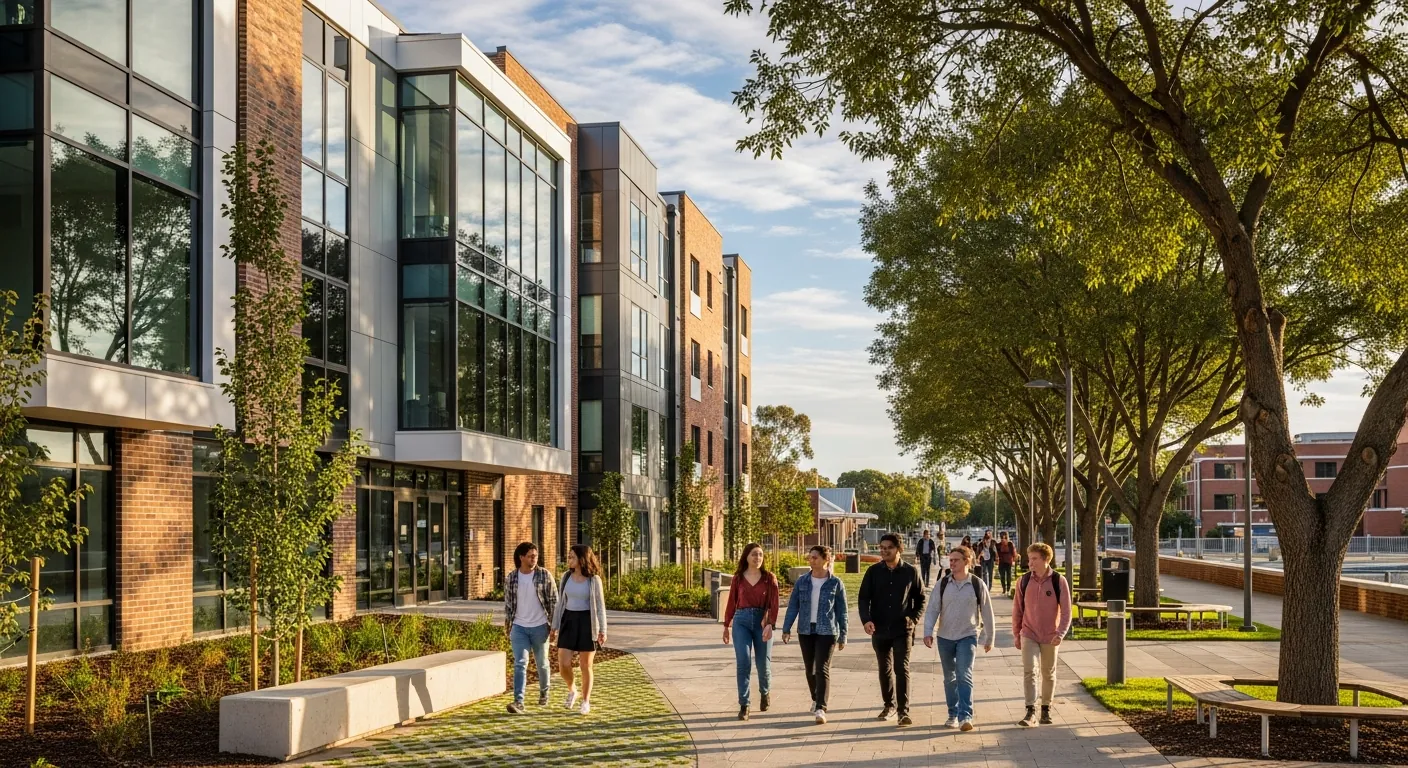
Pre-leasing for Fall 2025 is running ahead of pace compared to this same point in the 2024, 2023, and 2022 leasing cycles. That's not a minor uptick — we're seeing materially faster absorption across the major university markets. Properties near flagship universities are hitting 70-80% pre-leased by late February, a velocity that typically doesn't occur until late March or April.
The driver? Students and parents are recognizing what investors already know: the best locations fill early, and there's simply not enough quality housing near top-tier campuses.
Student Housing Pre-Leasing Rate by February (%)
Student housing pre-leasing velocity has accelerated sharply, with properties filling faster each year — a sign of tightening supply and growing enrollment.
Think you know the facts behind the headlines?
5 questions · ~3 min
Supply Constraints Work in Our Favor
Here's the number that should make every student housing investor smile: new supply is dropping to approximately 27,000 beds in 2025, down from 35,000 in 2024. That's a 23% reduction in new deliveries at a time when demand continues to grow.
Why the pullback? Construction costs remain elevated, financing has been more challenging over the past two years, and many developers pivoted to other asset classes during the rate spike. The result is a supply pipeline that's significantly thinner than what the market needs.
- Average price per bed: $98,000. This development cost makes new supply difficult to justify in many markets unless rents support premium pricing.
- Occupancy target: 95.1%. Yardi Matrix projections show the national occupancy rate holding at or above this level for Fall 2025.
- Rent growth: 3-5% annually. Supply constraints are supporting above-inflation rent growth in the strongest markets.
This is the kind of environment where existing owners with well-located, well-managed properties generate outsized returns. When you can't build enough new supply to meet demand, the properties already in the ground become more valuable every year.
New Student Housing Beds Delivered (Thousands)
Purpose-built student housing deliveries surged in 2023–2024 after years of underbuilding, though the pipeline is now tapering as development costs rise.
Student housing is one of the few asset classes where the supply-demand dynamics are getting better, not worse. The construction pipeline is shrinking while enrollment at major universities continues to grow. That's the definition of a structural tailwind.
— Dorothy Jackman, Former CEO, American Campus Communities
Where the Smart Money Is Going
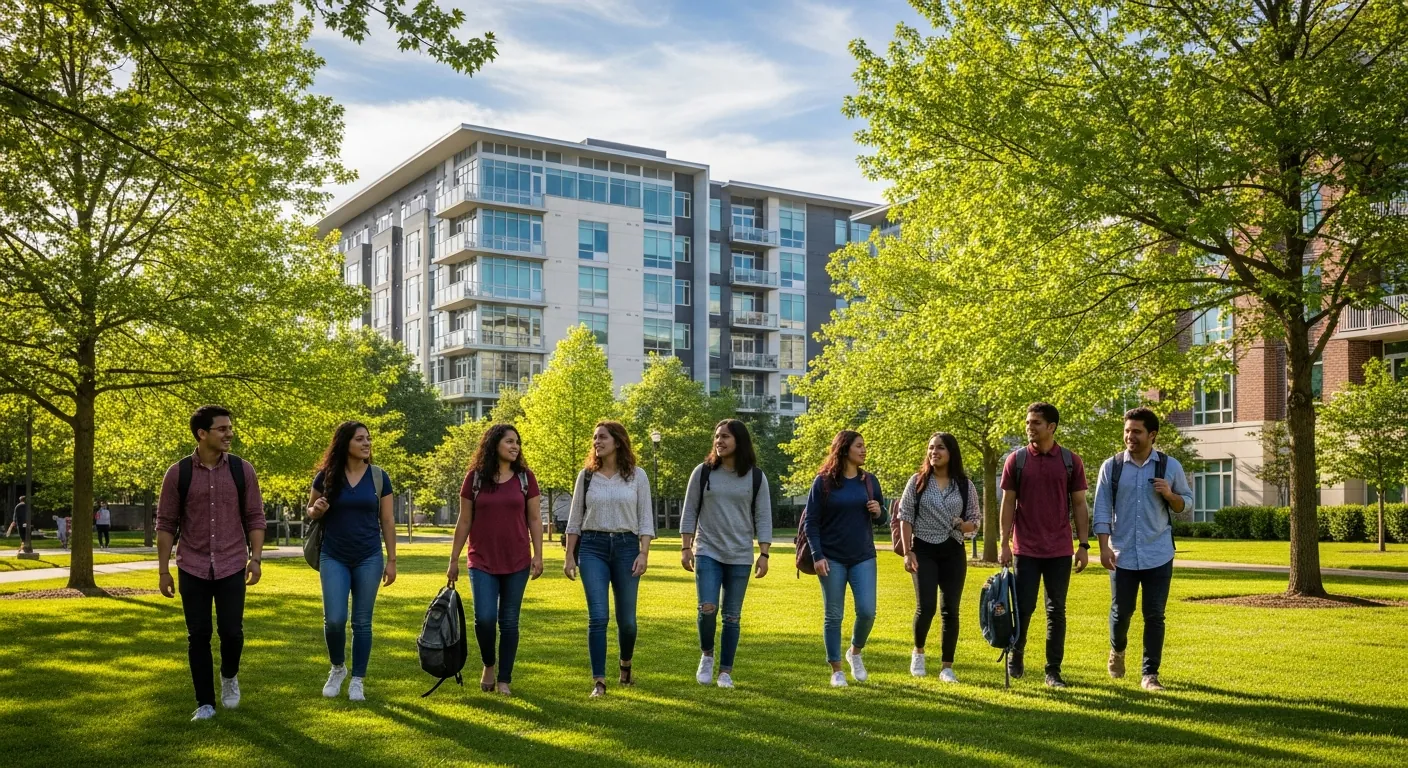
Not all student housing markets are created equal, and the institutional capital pouring billions into student housing understands this better than anyone. The smart money is concentrated around SEC and Big Ten conference schools — the mega-universities with 30,000-60,000 students, robust enrollment growth, and massive athletic programs that drive campus culture and demand.
Think University of Alabama, University of Florida, Ohio State, Penn State, University of Georgia. These schools aren't just education institutions — they're economic engines with enrollment pipelines that extend decades into the future.
Smaller schools with enrollment under 15,000 students are a different story. They face demographic headwinds from declining birth rates in certain regions and competition from online learning. We avoid these markets entirely.
The other trend worth noting is the "amenity arms race." Students in 2025 expect resort-style fitness centers, private study pods, high-speed fiber internet, and furnished units with smart home features. Properties that deliver these amenities command significant rent premiums and experience lower turnover.
Student Housing Annual Rent Growth (%)
Student housing rent growth has outpaced conventional apartments in recent years, driven by strong enrollment trends and limited on-campus alternatives.
The F6 Approach
At F6 Partners, student housing has been a core focus since day one, and seasons like this validate our thesis. We target purpose-built student housing near Power Five conference universities where enrollment growth outpaces local bed supply.
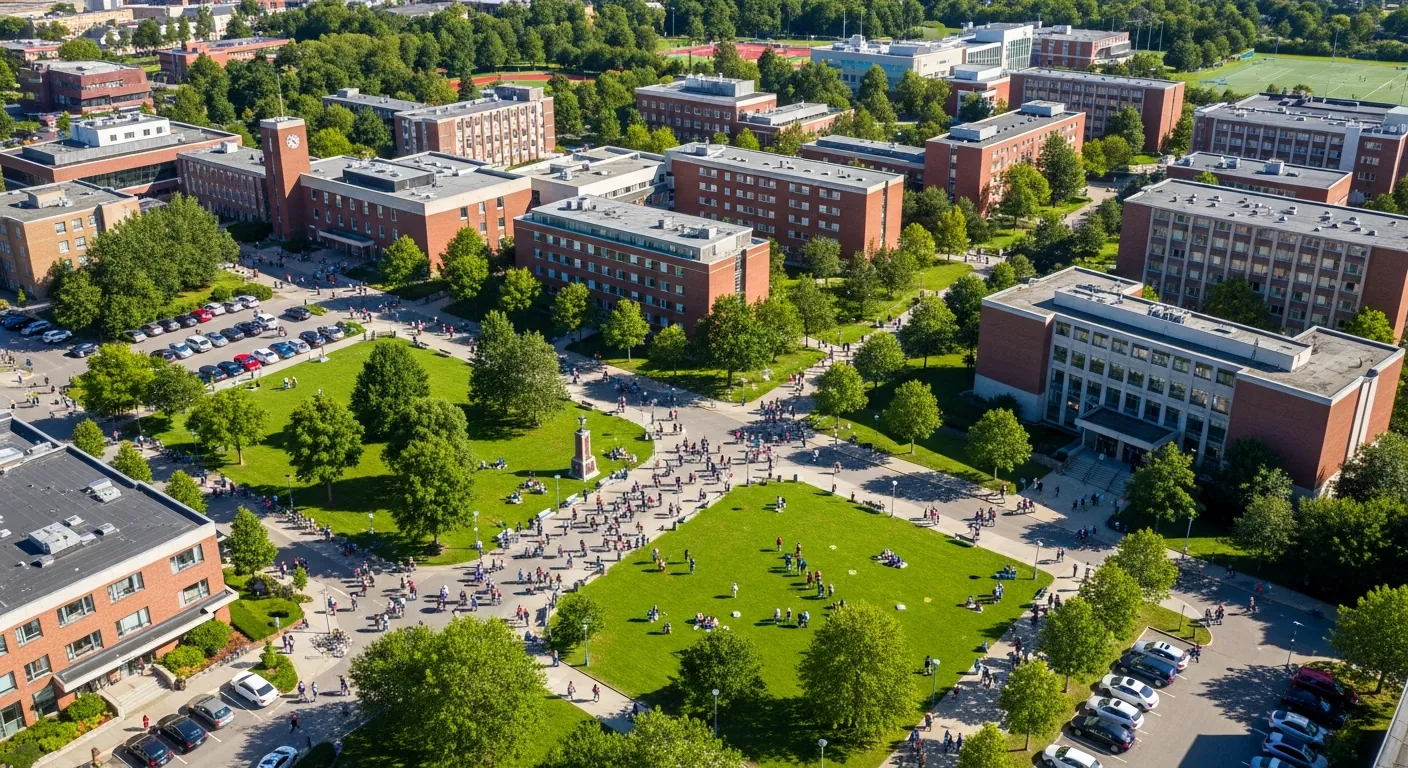
Our strategy is straightforward: acquire well-located assets near major universities, invest in amenity upgrades that drive rent growth, and manage with operational intensity. The fundamentals do the heavy lifting — we just need to execute.
Pre-leasing season is the most exciting time of year in student housing because it proves the thesis in real time. Every lease signed is a data point confirming that students need housing near campus, and that the properties closest to campus with the best amenities will always fill first.
If you're considering student housing as an investment, the data has never been more compelling. Don't overlook scattered-site duplexes near campus as part of this thesis either. The supply-demand imbalance is structural, not cyclical, and that's the kind of moat that protects investor capital in any market environment.
TL;DR
Pre-leasing velocity for Fall 2025 is outpacing every previous year on record. New supply is dropping from 35,000 beds in 2024 to approximately 27,000 in 2025. Average price per bed sits at $98,000, occupancy is targeting 95.1%, and SEC and Big Ten conference schools are driving the strongest demand. The supply-demand imbalance in student housing is widening, not narrowing — and that's exactly where we want to be.
The Pre-Leasing Numbers
Every year around this time, I start watching pre-leasing data like a hawk. It's the earliest indicator of where student housing fundamentals are heading, and this year the signal is unmistakable: demand is accelerating.
Pre-leasing for Fall 2025 is running ahead of pace compared to this same point in the 2024, 2023, and 2022 leasing cycles. That's not a minor uptick — we're seeing materially faster absorption across the major university markets. Properties near flagship universities are hitting 70-80% pre-leased by late February, a velocity that typically doesn't occur until late March or April.
The driver? Students and parents are recognizing what investors already know: the best locations fill early, and there's simply not enough quality housing near top-tier campuses.
Student Housing Pre-Leasing Rate by February (%)
Student housing pre-leasing velocity has accelerated sharply, with properties filling faster each year — a sign of tightening supply and growing enrollment.
Think you know the facts behind the headlines?
5 questions · ~3 min
Supply Constraints Work in Our Favor
Here's the number that should make every student housing investor smile: new supply is dropping to approximately 27,000 beds in 2025, down from 35,000 in 2024. That's a 23% reduction in new deliveries at a time when demand continues to grow.
Why the pullback? Construction costs remain elevated, financing has been more challenging over the past two years, and many developers pivoted to other asset classes during the rate spike. The result is a supply pipeline that's significantly thinner than what the market needs.
- Average price per bed: $98,000. This development cost makes new supply difficult to justify in many markets unless rents support premium pricing.
- Occupancy target: 95.1%. Yardi Matrix projections show the national occupancy rate holding at or above this level for Fall 2025.
- Rent growth: 3-5% annually. Supply constraints are supporting above-inflation rent growth in the strongest markets.
This is the kind of environment where existing owners with well-located, well-managed properties generate outsized returns. When you can't build enough new supply to meet demand, the properties already in the ground become more valuable every year.
New Student Housing Beds Delivered (Thousands)
Purpose-built student housing deliveries surged in 2023–2024 after years of underbuilding, though the pipeline is now tapering as development costs rise.
Student housing is one of the few asset classes where the supply-demand dynamics are getting better, not worse. The construction pipeline is shrinking while enrollment at major universities continues to grow. That's the definition of a structural tailwind.
— Dorothy Jackman, Former CEO, American Campus Communities
Where the Smart Money Is Going
Not all student housing markets are created equal, and the institutional capital pouring billions into student housing understands this better than anyone. The smart money is concentrated around SEC and Big Ten conference schools — the mega-universities with 30,000-60,000 students, robust enrollment growth, and massive athletic programs that drive campus culture and demand.
Think University of Alabama, University of Florida, Ohio State, Penn State, University of Georgia. These schools aren't just education institutions — they're economic engines with enrollment pipelines that extend decades into the future.
Smaller schools with enrollment under 15,000 students are a different story. They face demographic headwinds from declining birth rates in certain regions and competition from online learning. We avoid these markets entirely.
The other trend worth noting is the "amenity arms race." Students in 2025 expect resort-style fitness centers, private study pods, high-speed fiber internet, and furnished units with smart home features. Properties that deliver these amenities command significant rent premiums and experience lower turnover.
Student Housing Annual Rent Growth (%)
Student housing rent growth has outpaced conventional apartments in recent years, driven by strong enrollment trends and limited on-campus alternatives.
The F6 Approach
At F6 Partners, student housing has been a core focus since day one, and seasons like this validate our thesis. We target purpose-built student housing near Power Five conference universities where enrollment growth outpaces local bed supply.
Our strategy is straightforward: acquire well-located assets near major universities, invest in amenity upgrades that drive rent growth, and manage with operational intensity. The fundamentals do the heavy lifting — we just need to execute.
Pre-leasing season is the most exciting time of year in student housing because it proves the thesis in real time. Every lease signed is a data point confirming that students need housing near campus, and that the properties closest to campus with the best amenities will always fill first.
If you're considering student housing as an investment, the data has never been more compelling. Don't overlook scattered-site duplexes near campus as part of this thesis either. The supply-demand imbalance is structural, not cyclical, and that's the kind of moat that protects investor capital in any market environment.
Test Your Knowledge
How well do you know student housing markets?

Andrew LeBaron