TL;DR
AI-assisted tools are reducing senior housing operating costs by 8-12% through intelligent staffing optimization, predictive health monitoring, and automated fall detection. Smart home integrations — voice-activated controls, medication reminders, and environmental management — are becoming baseline expectations. But the industry faces a fundamental challenge: 78% of older homeowners plan to stay in their current homes per Redfin, meaning operators must offer a compelling value proposition to attract residents. Medicare Advantage now covers more than 50% of beneficiaries, reshaping how communities structure care and revenue. Occupancy reached 88.1% in Q2 2025, and technology adoption is increasingly the dividing line between communities that fill and those that don't.
The 8-12% Cost Reduction Is Not Theoretical
Let me be specific about what AI is actually doing in senior housing communities because the buzzword fatigue around AI is real, and operators deserve concrete data. Communities that have deployed comprehensive AI systems are reporting operating cost reductions of 8-12%. In an industry where labor represents 55-65% of total operating expenses, that impact goes straight to the bottom line.
Intelligent staffing optimization drives the largest share of savings. Traditional staffing models assign fixed ratios — one caregiver per X residents regardless of actual need at any given hour. AI systems analyze resident acuity levels, historical care patterns, and real-time demand to create dynamic schedules. The result is better coverage during peak periods and reduced overtime during quieter hours.
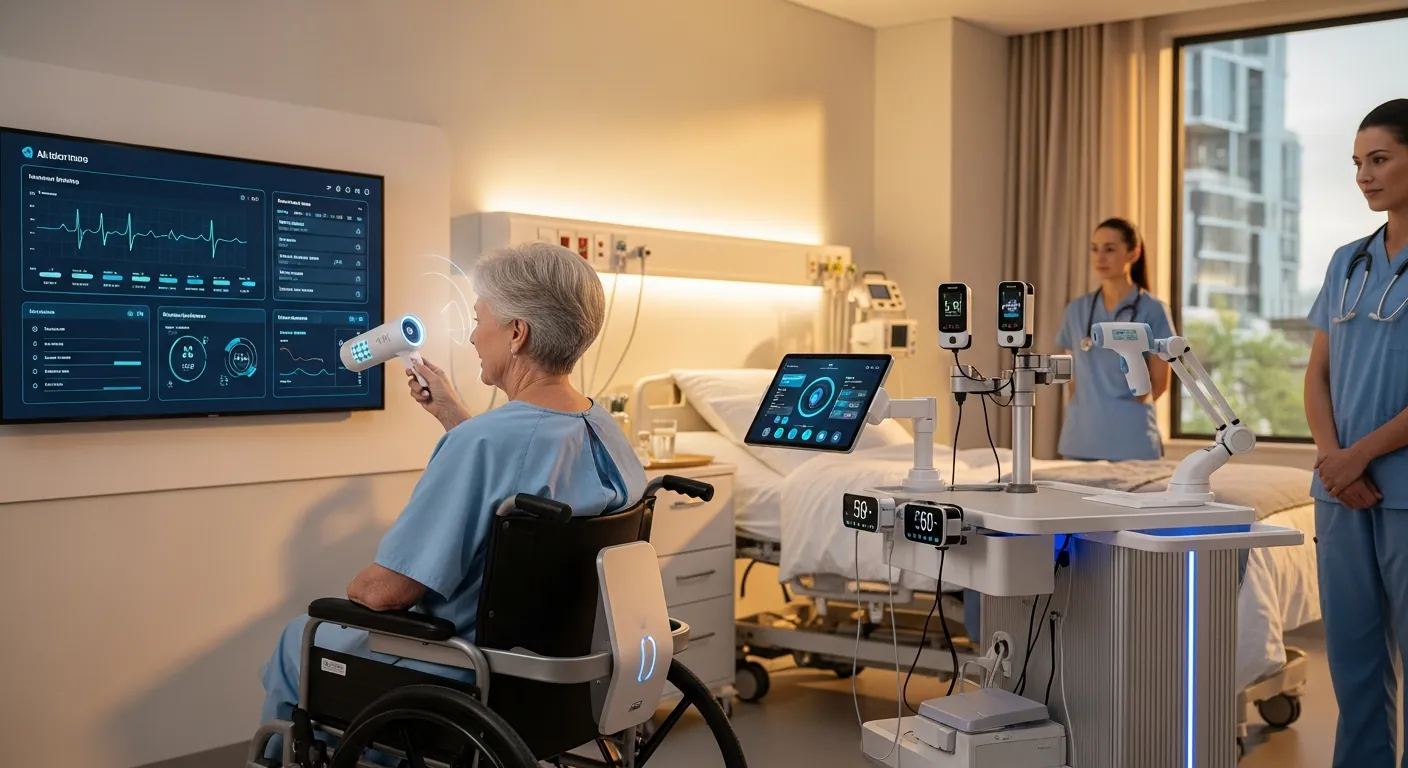
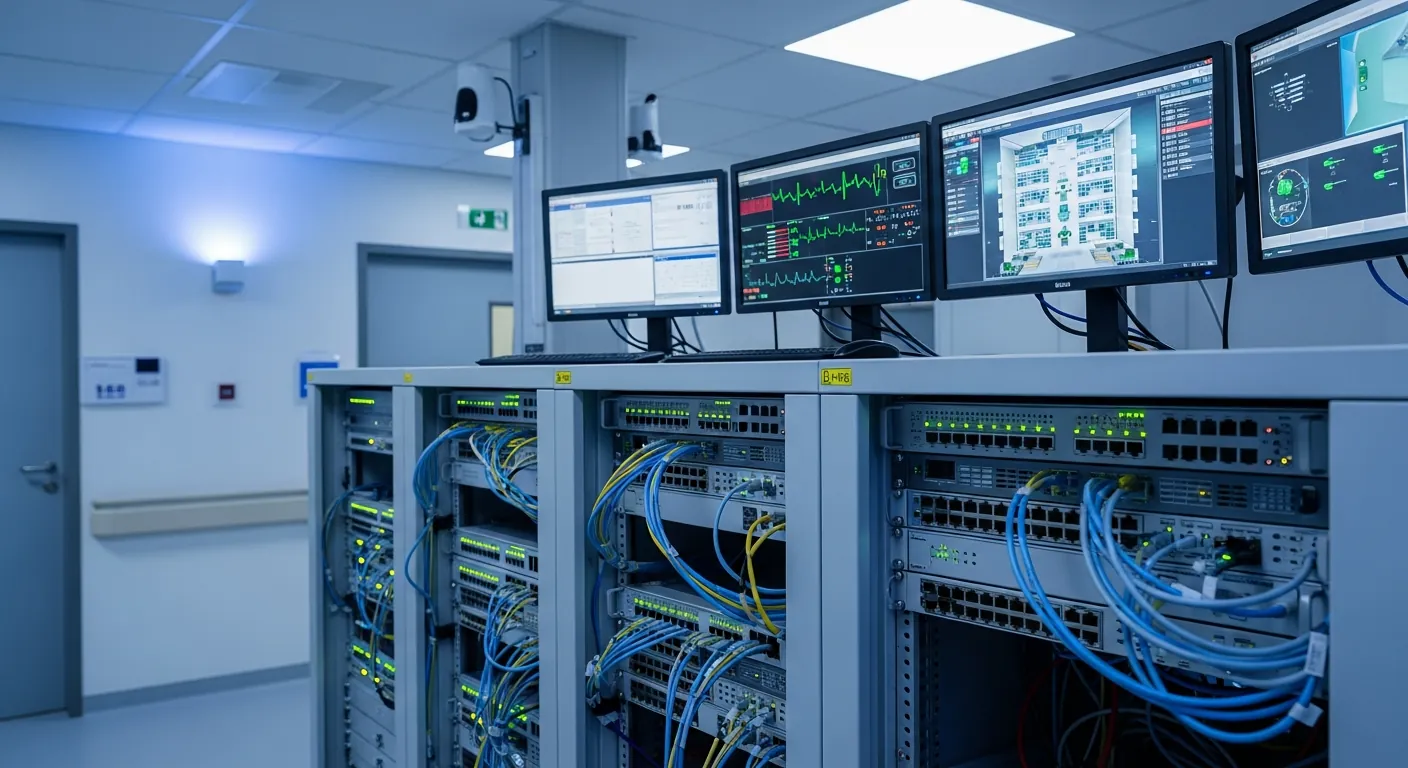
Predictive health monitoring is the application I find most compelling from both an investment and a human perspective. AI systems that continuously analyze vitals, movement patterns, and behavioral changes can flag deterioration days before it becomes a crisis. Operators I've spoken with through F6 Partners report that AI-assisted monitoring reduced emergency hospitalizations by more than 20% in the first year. That's not just an expense savings — that's lives being protected.
AI-Driven Operating Cost Reduction in Senior Housing (2019–2026)
AI and automation are progressively reducing operating costs in senior housing, from predictive maintenance to staffing optimization, boosting NOI for tech-savvy operators.
Think you know the facts behind the headlines?
5 questions · ~3 min
The 78% Challenge
Here's the number that keeps senior housing operators up at night: Redfin reports that 78% of older homeowners plan to stay in their current homes. That's a massive pool of potential residents who've decided — at least for now — that they don't need what senior housing communities offer.
This is where technology becomes a strategic weapon rather than just an operational tool. The communities winning the competition against aging-in-place are the ones making their technology offerings so compelling that staying home feels like settling for less.
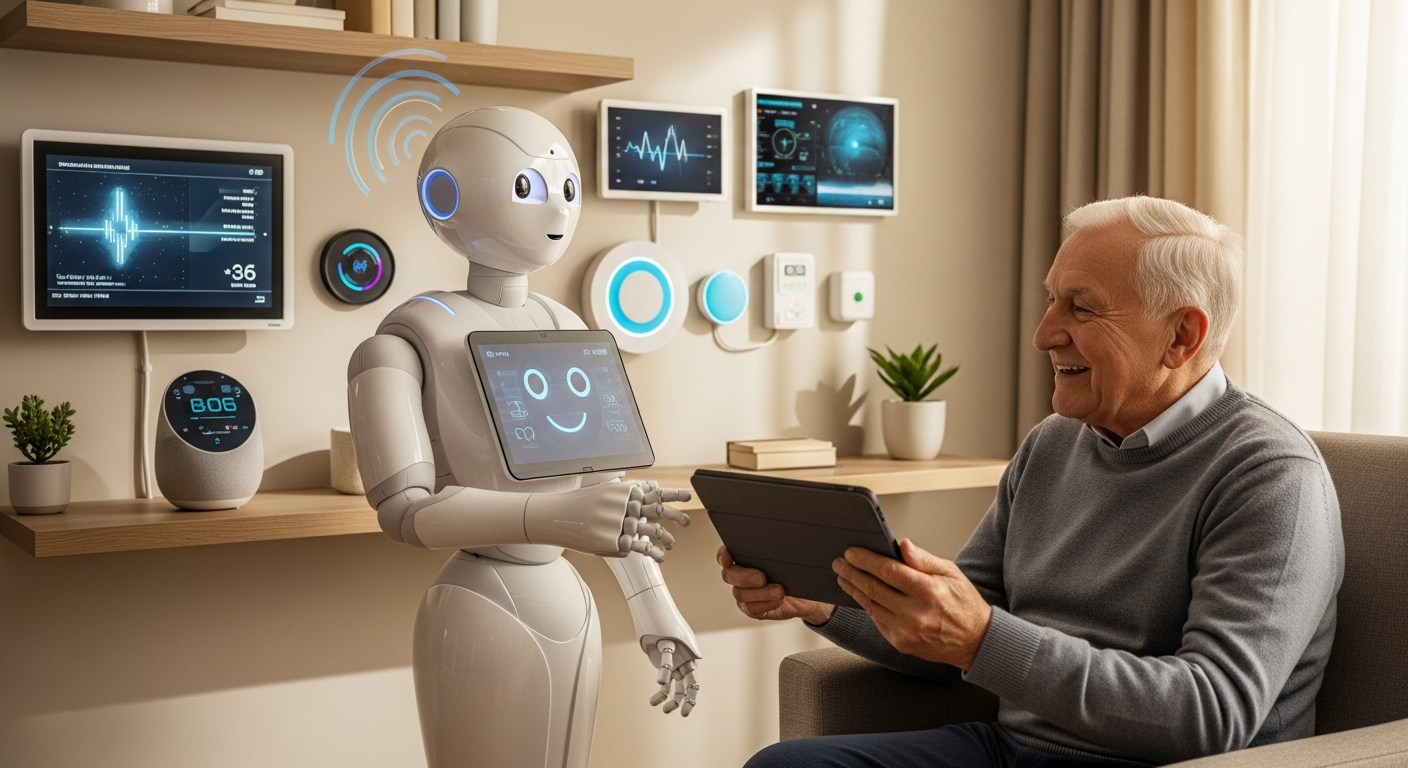
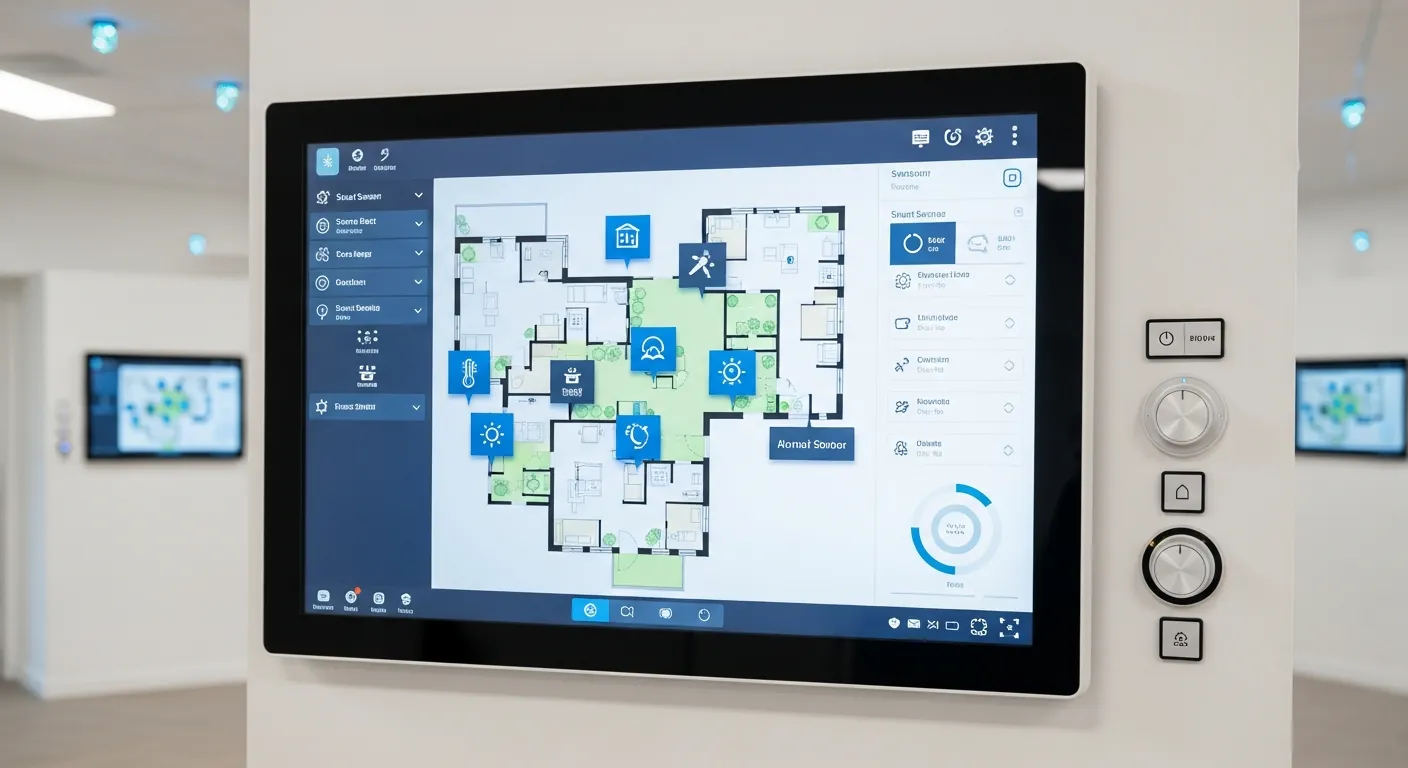
Voice-activated smart home systems that control lighting, temperature, entertainment, and communication. Automated medication management that ensures doses are never missed. Fall detection that doesn't require wearing a pendant or pressing a button. These technologies are especially critical for the growing population of solo agers — the senior housing demographic nobody's planning for. These aren't luxury features — they're safety and quality-of-life advantages that most private homes simply cannot replicate.
Medicare Advantage and Revenue Innovation
Medicare Advantage now covers more than 50% of Medicare beneficiaries, and this shift is quietly reshaping the senior housing revenue model. MA plans are increasingly interested in keeping members healthy and out of hospitals — exactly the outcome that technology-forward senior housing communities deliver.
Forward-thinking operators are partnering with MA plans to provide in-community care coordination, wellness programming, and health monitoring services. These partnerships create supplemental revenue streams that improve community economics while delivering measurably better health outcomes for residents. For investors considering co-investment strategies that give LPs a seat at the table, technology-forward senior housing communities represent high-conviction co-investment opportunities.
At F6 Partners, we evaluate Medicare Advantage penetration and partnership potential as part of our underwriting process. Communities positioned to serve as healthcare delivery platforms — not just residential facilities — command premium valuations and attract the strongest operating partners.
Medicare Advantage Enrollment Share (2019–2026)
Medicare Advantage enrollment has surged past 50% of eligible seniors, reshaping how healthcare is delivered and accelerating the shift toward value-based senior care models.
Occupancy at 88.1% and the Technology Dividing Line
Q2 2025 senior housing occupancy reached 88.1%, continuing the sector's steady recovery from pandemic lows. But the national average masks a growing disparity between technology-forward communities and those clinging to legacy operating models.
The communities approaching or exceeding 90% occupancy are overwhelmingly the ones that have invested in AI-assisted operations, smart home integration, and modern amenity packages that appeal to incoming boomer residents. This includes innovative models like the scattered-site senior housing revolution moving beyond the big box. The properties stuck in the low-to-mid 80s tend to be older assets with outdated infrastructure and minimal technology investment.
At F6 Partners, technology adoption has become one of our most important evaluation criteria. We're not investing in tech companies — we're investing in senior housing operators who understand that AI and smart home integration are operational necessities. The demographic demand is coming regardless. The winners will be the communities that combine that demand with technology-driven operational excellence.
Senior Housing Occupancy Recovery (2019–2026)
Senior housing occupancy has mounted a remarkable recovery from pandemic lows, climbing for 13 straight quarters as the aging population drives relentless demand.
TL;DR
AI-assisted tools are reducing senior housing operating costs by 8-12% through intelligent staffing optimization, predictive health monitoring, and automated fall detection. Smart home integrations — voice-activated controls, medication reminders, and environmental management — are becoming baseline expectations. But the industry faces a fundamental challenge: 78% of older homeowners plan to stay in their current homes per Redfin, meaning operators must offer a compelling value proposition to attract residents. Medicare Advantage now covers more than 50% of beneficiaries, reshaping how communities structure care and revenue. Occupancy reached 88.1% in Q2 2025, and technology adoption is increasingly the dividing line between communities that fill and those that don't.
The 8-12% Cost Reduction Is Not Theoretical
Let me be specific about what AI is actually doing in senior housing communities because the buzzword fatigue around AI is real, and operators deserve concrete data. Communities that have deployed comprehensive AI systems are reporting operating cost reductions of 8-12%. In an industry where labor represents 55-65% of total operating expenses, that impact goes straight to the bottom line.
Intelligent staffing optimization drives the largest share of savings. Traditional staffing models assign fixed ratios — one caregiver per X residents regardless of actual need at any given hour. AI systems analyze resident acuity levels, historical care patterns, and real-time demand to create dynamic schedules. The result is better coverage during peak periods and reduced overtime during quieter hours.
Predictive health monitoring is the application I find most compelling from both an investment and a human perspective. AI systems that continuously analyze vitals, movement patterns, and behavioral changes can flag deterioration days before it becomes a crisis. Operators I've spoken with through F6 Partners report that AI-assisted monitoring reduced emergency hospitalizations by more than 20% in the first year. That's not just an expense savings — that's lives being protected.
AI-Driven Operating Cost Reduction in Senior Housing (2019–2026)
AI and automation are progressively reducing operating costs in senior housing, from predictive maintenance to staffing optimization, boosting NOI for tech-savvy operators.
Think you know the facts behind the headlines?
5 questions · ~3 min
The 78% Challenge
Here's the number that keeps senior housing operators up at night: Redfin reports that 78% of older homeowners plan to stay in their current homes. That's a massive pool of potential residents who've decided — at least for now — that they don't need what senior housing communities offer.
This is where technology becomes a strategic weapon rather than just an operational tool. The communities winning the competition against aging-in-place are the ones making their technology offerings so compelling that staying home feels like settling for less.
Voice-activated smart home systems that control lighting, temperature, entertainment, and communication. Automated medication management that ensures doses are never missed. Fall detection that doesn't require wearing a pendant or pressing a button. These technologies are especially critical for the growing population of solo agers — the senior housing demographic nobody's planning for. These aren't luxury features — they're safety and quality-of-life advantages that most private homes simply cannot replicate.
Medicare Advantage and Revenue Innovation
Medicare Advantage now covers more than 50% of Medicare beneficiaries, and this shift is quietly reshaping the senior housing revenue model. MA plans are increasingly interested in keeping members healthy and out of hospitals — exactly the outcome that technology-forward senior housing communities deliver.
Forward-thinking operators are partnering with MA plans to provide in-community care coordination, wellness programming, and health monitoring services. These partnerships create supplemental revenue streams that improve community economics while delivering measurably better health outcomes for residents. For investors considering co-investment strategies that give LPs a seat at the table, technology-forward senior housing communities represent high-conviction co-investment opportunities.
At F6 Partners, we evaluate Medicare Advantage penetration and partnership potential as part of our underwriting process. Communities positioned to serve as healthcare delivery platforms — not just residential facilities — command premium valuations and attract the strongest operating partners.
Medicare Advantage Enrollment Share (2019–2026)
Medicare Advantage enrollment has surged past 50% of eligible seniors, reshaping how healthcare is delivered and accelerating the shift toward value-based senior care models.
Occupancy at 88.1% and the Technology Dividing Line
Q2 2025 senior housing occupancy reached 88.1%, continuing the sector's steady recovery from pandemic lows. But the national average masks a growing disparity between technology-forward communities and those clinging to legacy operating models.
The communities approaching or exceeding 90% occupancy are overwhelmingly the ones that have invested in AI-assisted operations, smart home integration, and modern amenity packages that appeal to incoming boomer residents. This includes innovative models like the scattered-site senior housing revolution moving beyond the big box. The properties stuck in the low-to-mid 80s tend to be older assets with outdated infrastructure and minimal technology investment.
At F6 Partners, technology adoption has become one of our most important evaluation criteria. We're not investing in tech companies — we're investing in senior housing operators who understand that AI and smart home integration are operational necessities. The demographic demand is coming regardless. The winners will be the communities that combine that demand with technology-driven operational excellence.
Senior Housing Occupancy Recovery (2019–2026)
Senior housing occupancy has mounted a remarkable recovery from pandemic lows, climbing for 13 straight quarters as the aging population drives relentless demand.
Test Your Knowledge
How well do you know senior housing markets?

Andrew LeBaron