TL;DR
Pre-leasing for Fall 2025 crossed 90% by June per Yardi Matrix — the earliest that threshold has been reached in recent memory. Student housing occupancy hit 95.1% in September 2025, the second-highest reading since 2019 and up sharply from 93.6% in 2024. Only 27,000 new beds were delivered nationally in 2025, down from 35,000 the prior year. National average rent per bed reached $905, up 0.8% year-over-year, while Cushman & Wakefield reports an even stronger $1,017 average with 3.4% YoY growth. The supply-demand imbalance is accelerating, not resolving.
Pre-Leasing Crossed 90% by June
I want to start with the pre-leasing number because it tells the most important story of this cycle. When properties are 90% pre-leased four months before the academic year begins, operators have extraordinary pricing power for the following year's leasing cycle. It means students are competing for beds, not the other way around.
At F6 Partners, we've been tracking pre-leasing velocity as our leading indicator for three years running. It consistently predicts fall occupancy outcomes better than any other metric, and the 2025 data set a new benchmark. Properties near Tier 1 universities were effectively full by May in many markets, forcing students to accept waitlists or settle for less desirable alternatives further from campus.
This data aligns with what we've been tracking around student housing rents reaching $905 per bed and the affordability question. The velocity this year was particularly notable because it accelerated despite a 2-3% rent increase at many properties. When demand absorbs price increases without slowing, you're looking at a market with genuine pricing power — not a market propped up by concessions and free-rent gimmicks.
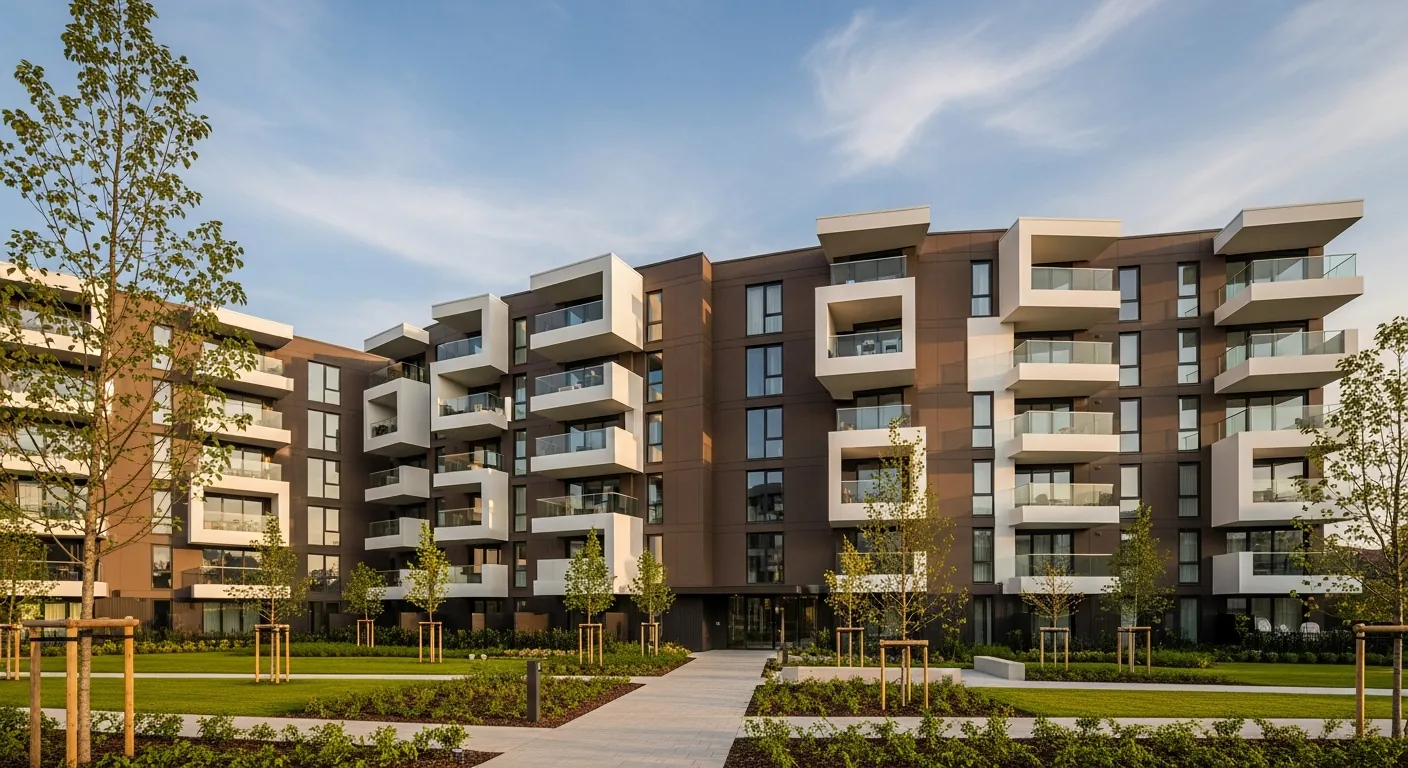
Student Housing Fall Occupancy (2019–2026)
Student housing fall occupancy has remained above 94% even as new supply comes online, reflecting the sector's uniquely captive and growing demand base.
Think you know the facts behind the headlines?
5 questions · ~3 min
27,000 Beds and the Supply Reality
Here's the number that should make every student housing investor sit up: only 27,000 new beds were delivered nationally in 2025, down from 35,000 the prior year. That's a 23% decline in new supply hitting a market that was already undersupplied.
The reasons are familiar to anyone following construction economics. Elevated interest rates made development financing more expensive. Construction costs — driven by steel tariffs, labor shortages, and supply chain disruptions — pushed project budgets beyond feasibility in many markets. For LPs evaluating the GP relationship that makes or breaks every deal, supply-constrained student housing markets offer the kind of structural advantage that separates top-quartile sponsors. Entitlement timelines stretched as municipalities became more cautious about density approvals near campuses.
The result is a supply pipeline that's shrinking precisely when demand is strengthening. University enrollment continues to grow, international student populations are recovering, and the preference for purpose-built housing over off-campus apartments keeps intensifying. For investors exploring alternatives, our analysis of scattered-site student housing near campus duplexes offers a complementary strategy that capitalizes on this same supply constraint.
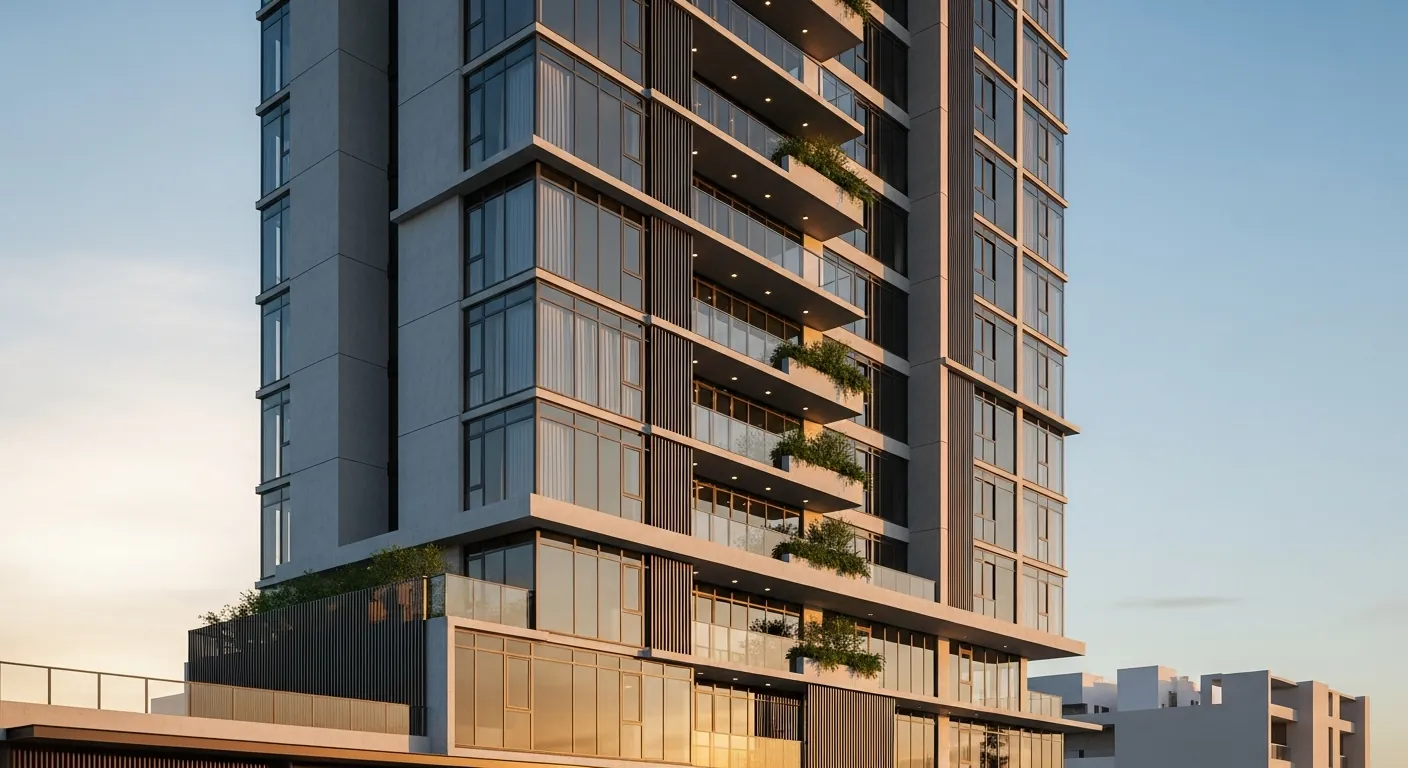
New Student Housing Beds Delivered (2019–2026)
Student housing deliveries have picked up after a pandemic-era lull, but remain below levels needed to meet surging enrollment at flagship universities.
Two Rent Datasets, One Conclusion
The rent data depends on which source you read, but both point unmistakably upward. Yardi Matrix reports a national average of $905 per bed with 0.8% year-over-year growth. Cushman & Wakefield's dataset shows $1,017 per bed with 3.4% YoY growth. The difference reflects methodology — Cushman focuses on institutional-quality assets near major research universities where demand concentration is highest.
For investors like us at F6 Partners, the Cushman number is more relevant because it tracks the institutional-quality properties we target. But even the broader Yardi dataset confirms a market where rents are moving in the right direction despite constrained household budgets and elevated inflation in other categories.
The key takeaway: quality and location drive everything. A well-positioned purpose-built community within walking distance of a top-40 university is experiencing a fundamentally different market than a commodity property near a regional school.
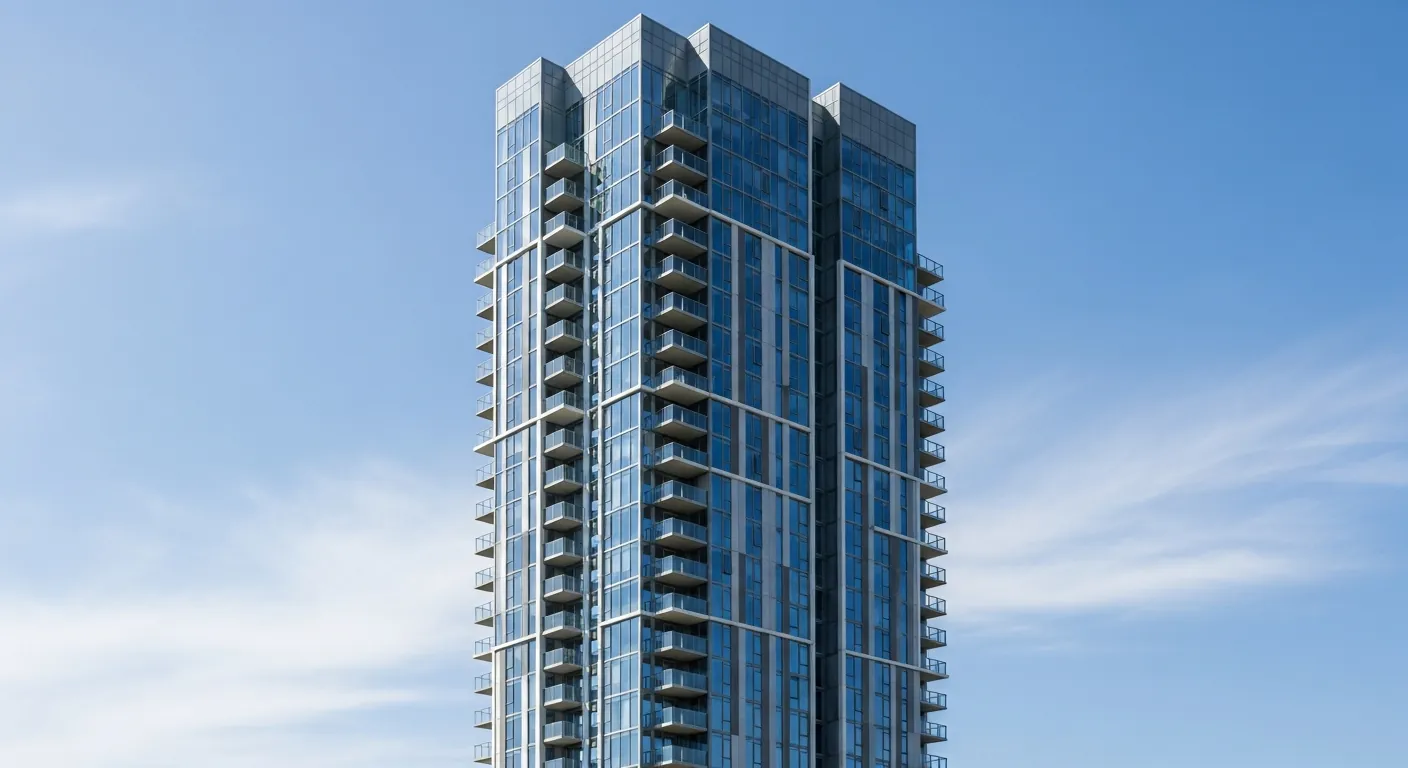
Average Rent Per Bed — National (2019–2026)
Average student housing rents per bed have grown steadily, outpacing conventional apartment rent growth as strong demand and limited supply give operators pricing power.
What This Means for Fall 2026
The Fall 2025 cycle confirmed our thesis at F6 Partners: student housing is not a cyclical trade — it's a structural investment anchored by demographic demand that no realistic amount of new supply can satisfy. With pre-leasing velocity accelerating, supply deliveries declining, and rents moving higher, the setup for Fall 2026 is even more favorable. The window to acquire quality assets before cap rate compression narrows further is closing.
TL;DR
Pre-leasing for Fall 2025 crossed 90% by June per Yardi Matrix — the earliest that threshold has been reached in recent memory. Student housing occupancy hit 95.1% in September 2025, the second-highest reading since 2019 and up sharply from 93.6% in 2024. Only 27,000 new beds were delivered nationally in 2025, down from 35,000 the prior year. National average rent per bed reached $905, up 0.8% year-over-year, while Cushman & Wakefield reports an even stronger $1,017 average with 3.4% YoY growth. The supply-demand imbalance is accelerating, not resolving.
Pre-Leasing Crossed 90% by June
I want to start with the pre-leasing number because it tells the most important story of this cycle. When properties are 90% pre-leased four months before the academic year begins, operators have extraordinary pricing power for the following year's leasing cycle. It means students are competing for beds, not the other way around.
At F6 Partners, we've been tracking pre-leasing velocity as our leading indicator for three years running. It consistently predicts fall occupancy outcomes better than any other metric, and the 2025 data set a new benchmark. Properties near Tier 1 universities were effectively full by May in many markets, forcing students to accept waitlists or settle for less desirable alternatives further from campus.
This data aligns with what we've been tracking around student housing rents reaching $905 per bed and the affordability question. The velocity this year was particularly notable because it accelerated despite a 2-3% rent increase at many properties. When demand absorbs price increases without slowing, you're looking at a market with genuine pricing power — not a market propped up by concessions and free-rent gimmicks.
Student Housing Fall Occupancy (2019–2026)
Student housing fall occupancy has remained above 94% even as new supply comes online, reflecting the sector's uniquely captive and growing demand base.
Think you know the facts behind the headlines?
5 questions · ~3 min
27,000 Beds and the Supply Reality
Here's the number that should make every student housing investor sit up: only 27,000 new beds were delivered nationally in 2025, down from 35,000 the prior year. That's a 23% decline in new supply hitting a market that was already undersupplied.
The reasons are familiar to anyone following construction economics. Elevated interest rates made development financing more expensive. Construction costs — driven by steel tariffs, labor shortages, and supply chain disruptions — pushed project budgets beyond feasibility in many markets. For LPs evaluating the GP relationship that makes or breaks every deal, supply-constrained student housing markets offer the kind of structural advantage that separates top-quartile sponsors. Entitlement timelines stretched as municipalities became more cautious about density approvals near campuses.
The result is a supply pipeline that's shrinking precisely when demand is strengthening. University enrollment continues to grow, international student populations are recovering, and the preference for purpose-built housing over off-campus apartments keeps intensifying. For investors exploring alternatives, our analysis of scattered-site student housing near campus duplexes offers a complementary strategy that capitalizes on this same supply constraint.
New Student Housing Beds Delivered (2019–2026)
Student housing deliveries have picked up after a pandemic-era lull, but remain below levels needed to meet surging enrollment at flagship universities.
Two Rent Datasets, One Conclusion
The rent data depends on which source you read, but both point unmistakably upward. Yardi Matrix reports a national average of $905 per bed with 0.8% year-over-year growth. Cushman & Wakefield's dataset shows $1,017 per bed with 3.4% YoY growth. The difference reflects methodology — Cushman focuses on institutional-quality assets near major research universities where demand concentration is highest.
For investors like us at F6 Partners, the Cushman number is more relevant because it tracks the institutional-quality properties we target. But even the broader Yardi dataset confirms a market where rents are moving in the right direction despite constrained household budgets and elevated inflation in other categories.
The key takeaway: quality and location drive everything. A well-positioned purpose-built community within walking distance of a top-40 university is experiencing a fundamentally different market than a commodity property near a regional school.
Average Rent Per Bed — National (2019–2026)
Average student housing rents per bed have grown steadily, outpacing conventional apartment rent growth as strong demand and limited supply give operators pricing power.
What This Means for Fall 2026
The Fall 2025 cycle confirmed our thesis at F6 Partners: student housing is not a cyclical trade — it's a structural investment anchored by demographic demand that no realistic amount of new supply can satisfy. With pre-leasing velocity accelerating, supply deliveries declining, and rents moving higher, the setup for Fall 2026 is even more favorable. The window to acquire quality assets before cap rate compression narrows further is closing.
Test Your Knowledge
How well do you know student housing markets?

Andrew LeBaron