TL;DR
The fed funds rate sits at 3.50-3.75%. The 10-year Treasury is at approximately 4.26%. MetLife's investment arm has declared "renewed momentum" in commercial real estate. CBRE projects total CRE investment volume will rise approximately 8% in 2026, reaching roughly $437B. Office vacancy is expected to drop below 18% for the first time since 2023. Student housing is holding above 95% occupancy. Senior housing is approaching 90%. Multifamily rental households have hit an all-time high of 22.4 million. Data center demand is voracious and accelerating. 2026 is the year CRE turns the corner.
The Rate Environment: Stability at Last
Let me start with the foundation that everything else is built on: rates. The federal funds rate at 3.50-3.75% provides the clarity that CRE capital markets need to function. The 10-year Treasury at approximately 4.26% sets the benchmark for long-term real estate debt pricing. These aren't the rates we got accustomed to in 2020 and 2021 — but they're rates the market can underwrite to with confidence.
At F6 Partners, we've been saying for two years that rate stability matters more than rate levels. The market proved us right in 2025 when three consecutive Fed cuts unlocked transaction activity not because the rates were dramatically lower but because the direction was clear. That stability continues into 2026, and it's the single most important enabling factor for everything else that follows.
MetLife Investment Management's characterization of "renewed momentum" in CRE captures the sentiment shift perfectly. The largest allocators in the world — pension funds, sovereign wealth funds, insurance companies — are re-engaging with commercial real estate after two years on the sidelines. When MetLife, which manages over $600B in assets, signals renewed confidence, the capital formation cycle has turned.
$437B in Transaction Volume
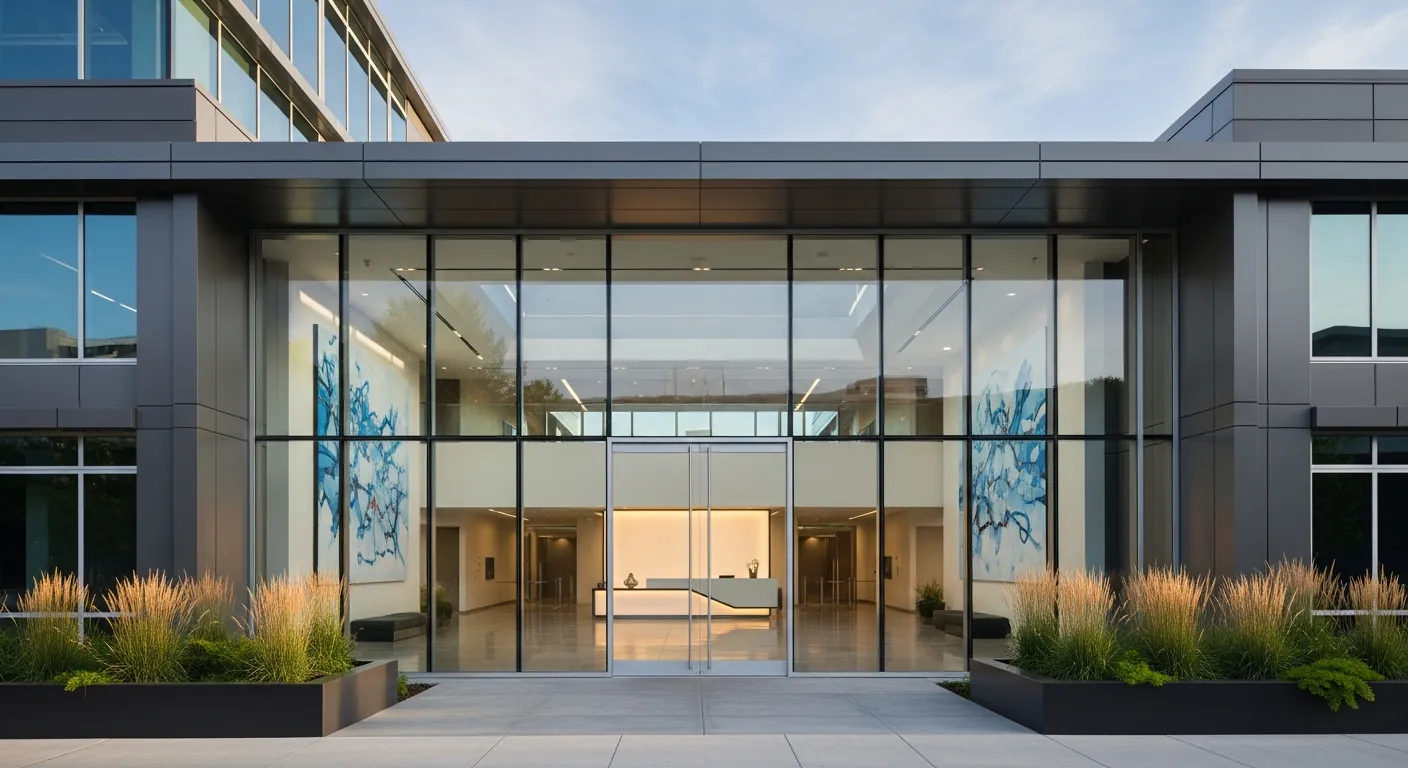
CBRE's projection that total CRE investment volume will rise approximately 8% in 2026 to roughly $437B is a milestone worth highlighting. After two years of severely depressed transaction activity — with 2023 and early 2024 representing the lowest volumes since the Global Financial Crisis — the market is rebuilding.
An 8% increase doesn't sound dramatic, but it comes on top of the 17% increase already achieved through October 2025. The compounding effect means that by the end of 2026, transaction volume will have recovered significantly from the trough. More importantly, the composition of transactions is shifting from distressed dispositions and forced sales to strategic acquisitions and programmatic deployment.
At F6 Partners, we're seeing this shift in real time. The conversations with our capital partners have moved from "should we deploy?" to "where should we deploy?" That transition — from hesitation to allocation — is the hallmark of a market that has turned the corner.
CRE Investment Volume (2019–2026)
CRE investment volume is rebounding toward $400 billion after a sharp correction, with multifamily and industrial leading the recovery in institutional capital deployment.
Think you know the real numbers behind these deals?
5 questions · ~3 min
Office Vacancy: Breaking Below 18%
Here's a prediction that would have seemed impossible two years ago: office vacancy is expected to drop below 18% in 2026 for the first time since 2023. The combination of virtually zero new supply entering the market, adaptive reuse removing obsolete inventory, and continued flight-to-quality leasing is slowly but measurably tightening the office sector.
The recovery remains bifurcated. Trophy and Class A assets in gateway cities are performing in a fundamentally different market than commodity office. But the headline vacancy number moving in the right direction signals that the worst is behind us for the office sector broadly. Construction starts that collapsed 82% from 2020 levels are creating the conditions for supply-side recovery even as demand stabilizes.
U.S. Office Vacancy Rate (2019–2026)
Office vacancy is projected to dip below 18% by 2026 for the first time since 2023, as conversions and demolitions gradually reduce the nation's surplus of obsolete space.
The Specialized Housing Thesis Validated
The sectors that anchor F6 Partners' investment thesis — student housing and senior housing — enter 2026 with the strongest fundamentals in commercial real estate.
Student housing holding above 95% occupancy confirms the durability of the demographic demand thesis, as detailed in our student housing 2026 preview. University enrollment continues to provide a reliable demand floor, construction pipeline constraints limit competitive supply, and the annual lease-up cycle creates natural pricing power. The sector has delivered consistent performance through rate hikes, pandemic disruptions, and economic uncertainty. It will continue to deliver.
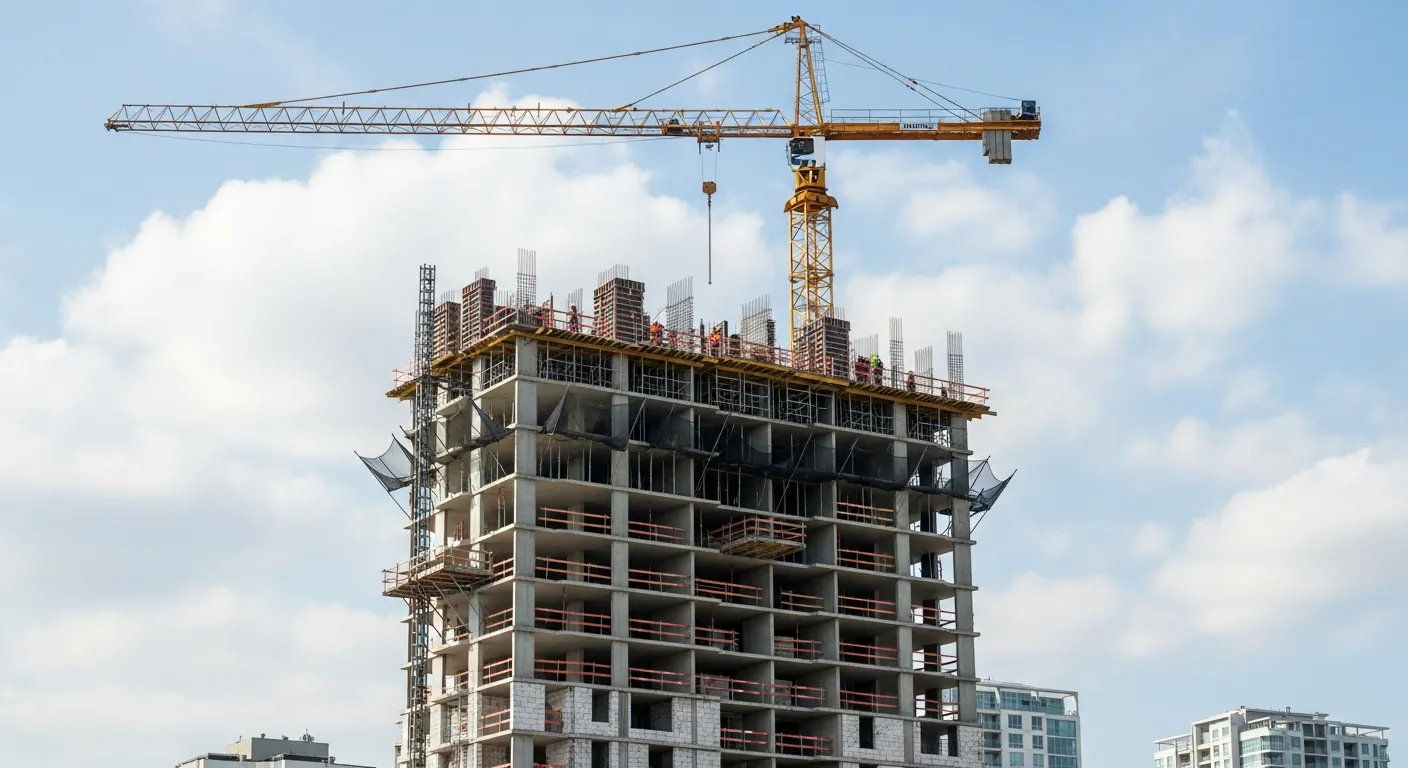
Senior housing approaching 90% occupancy represents the highest level in over a decade and validates every conversation we've had with investors about the baby boomer demographic wave. With the 80+ population set to double over the next five years, the demand trajectory is set. Supply cannot be built fast enough to meet it. The operators who have maintained their platforms through the pandemic recovery are positioned to capture the most significant demand wave the sector has ever experienced.
Multifamily: 22.4 Million Rental Households
The multifamily sector enters 2026 with rental households at an all-time high of 22.4 million — a number that reflects structural shifts in housing preferences, affordability dynamics, and demographic patterns. The homeownership rate has plateaued as mortgage rates and home prices remain elevated, channeling housing demand into the rental market.
For CRE operators focused on housing — whether conventional multifamily, student housing, senior housing, or adaptive reuse conversions — this structural demand for rental units is the tide that lifts all boats. The United States is structurally short millions of housing units, and that deficit is growing. Every property type that puts roofs over heads benefits from this fundamental imbalance.
U.S. Rental Households (2019–2026, Millions)
The number of U.S. rental households has reached a record 22.4 million, providing a powerful structural demand tailwind for apartment investors across every market.
Data Centers: The Outlier
No 2026 CRE outlook is complete without acknowledging the data center sector, where demand is voracious and accelerating. The AI revolution has created a seemingly insatiable appetite for computing infrastructure, driving data center development at a pace that has no historical parallel in commercial real estate.
At F6 Partners, data centers aren't our focus — we're housing operators, not infrastructure developers. But the sector's performance illustrates a broader principle we apply to all our investments: the most durable CRE strategies are anchored by demand drivers that are structural rather than cyclical. For data centers, the structural driver is the exponential growth of computing demand. For student and senior housing, it's demographics. In both cases, the demand isn't going away.
The Year CRE Turns the Corner
2026 is the year that the recovery story moves from narrative to data. Rate stability is enabling transactions. Investment volume is building. Office vacancy is inflecting. Specialized housing sectors are outperforming. Rental demand is at all-time highs. The operators and investors who maintained discipline through the correction are positioned to capture returns that reward patience and preparation. As we documented when CRE values confirmed their floor, the bottom is in — and the recovery is underway.
At F6 Partners, we enter 2026 with our strongest pipeline, our deepest capital relationships, and our clearest conviction — including private equity partnerships that are reshaping how institutional money flows into real estate. The corner is being turned. The question is not whether the recovery is real — it's whether you're positioned to capture it.
TL;DR
The fed funds rate sits at 3.50-3.75%. The 10-year Treasury is at approximately 4.26%. MetLife's investment arm has declared "renewed momentum" in commercial real estate. CBRE projects total CRE investment volume will rise approximately 8% in 2026, reaching roughly $437B. Office vacancy is expected to drop below 18% for the first time since 2023. Student housing is holding above 95% occupancy. Senior housing is approaching 90%. Multifamily rental households have hit an all-time high of 22.4 million. Data center demand is voracious and accelerating. 2026 is the year CRE turns the corner.
The Rate Environment: Stability at Last
Let me start with the foundation that everything else is built on: rates. The federal funds rate at 3.50-3.75% provides the clarity that CRE capital markets need to function. The 10-year Treasury at approximately 4.26% sets the benchmark for long-term real estate debt pricing. These aren't the rates we got accustomed to in 2020 and 2021 — but they're rates the market can underwrite to with confidence.
At F6 Partners, we've been saying for two years that rate stability matters more than rate levels. The market proved us right in 2025 when three consecutive Fed cuts unlocked transaction activity not because the rates were dramatically lower but because the direction was clear. That stability continues into 2026, and it's the single most important enabling factor for everything else that follows.
MetLife Investment Management's characterization of "renewed momentum" in CRE captures the sentiment shift perfectly. The largest allocators in the world — pension funds, sovereign wealth funds, insurance companies — are re-engaging with commercial real estate after two years on the sidelines. When MetLife, which manages over $600B in assets, signals renewed confidence, the capital formation cycle has turned.
$437B in Transaction Volume
CBRE's projection that total CRE investment volume will rise approximately 8% in 2026 to roughly $437B is a milestone worth highlighting. After two years of severely depressed transaction activity — with 2023 and early 2024 representing the lowest volumes since the Global Financial Crisis — the market is rebuilding.
An 8% increase doesn't sound dramatic, but it comes on top of the 17% increase already achieved through October 2025. The compounding effect means that by the end of 2026, transaction volume will have recovered significantly from the trough. More importantly, the composition of transactions is shifting from distressed dispositions and forced sales to strategic acquisitions and programmatic deployment.
At F6 Partners, we're seeing this shift in real time. The conversations with our capital partners have moved from "should we deploy?" to "where should we deploy?" That transition — from hesitation to allocation — is the hallmark of a market that has turned the corner.
CRE Investment Volume (2019–2026)
CRE investment volume is rebounding toward $400 billion after a sharp correction, with multifamily and industrial leading the recovery in institutional capital deployment.
Think you know the real numbers behind these deals?
5 questions · ~3 min
Office Vacancy: Breaking Below 18%
Here's a prediction that would have seemed impossible two years ago: office vacancy is expected to drop below 18% in 2026 for the first time since 2023. The combination of virtually zero new supply entering the market, adaptive reuse removing obsolete inventory, and continued flight-to-quality leasing is slowly but measurably tightening the office sector.
The recovery remains bifurcated. Trophy and Class A assets in gateway cities are performing in a fundamentally different market than commodity office. But the headline vacancy number moving in the right direction signals that the worst is behind us for the office sector broadly. Construction starts that collapsed 82% from 2020 levels are creating the conditions for supply-side recovery even as demand stabilizes.
U.S. Office Vacancy Rate (2019–2026)
Office vacancy is projected to dip below 18% by 2026 for the first time since 2023, as conversions and demolitions gradually reduce the nation's surplus of obsolete space.
The Specialized Housing Thesis Validated
The sectors that anchor F6 Partners' investment thesis — student housing and senior housing — enter 2026 with the strongest fundamentals in commercial real estate.
Student housing holding above 95% occupancy confirms the durability of the demographic demand thesis, as detailed in our student housing 2026 preview. University enrollment continues to provide a reliable demand floor, construction pipeline constraints limit competitive supply, and the annual lease-up cycle creates natural pricing power. The sector has delivered consistent performance through rate hikes, pandemic disruptions, and economic uncertainty. It will continue to deliver.
Senior housing approaching 90% occupancy represents the highest level in over a decade and validates every conversation we've had with investors about the baby boomer demographic wave. With the 80+ population set to double over the next five years, the demand trajectory is set. Supply cannot be built fast enough to meet it. The operators who have maintained their platforms through the pandemic recovery are positioned to capture the most significant demand wave the sector has ever experienced.
Multifamily: 22.4 Million Rental Households
The multifamily sector enters 2026 with rental households at an all-time high of 22.4 million — a number that reflects structural shifts in housing preferences, affordability dynamics, and demographic patterns. The homeownership rate has plateaued as mortgage rates and home prices remain elevated, channeling housing demand into the rental market.
For CRE operators focused on housing — whether conventional multifamily, student housing, senior housing, or adaptive reuse conversions — this structural demand for rental units is the tide that lifts all boats. The United States is structurally short millions of housing units, and that deficit is growing. Every property type that puts roofs over heads benefits from this fundamental imbalance.
U.S. Rental Households (2019–2026, Millions)
The number of U.S. rental households has reached a record 22.4 million, providing a powerful structural demand tailwind for apartment investors across every market.
Data Centers: The Outlier
No 2026 CRE outlook is complete without acknowledging the data center sector, where demand is voracious and accelerating. The AI revolution has created a seemingly insatiable appetite for computing infrastructure, driving data center development at a pace that has no historical parallel in commercial real estate.
At F6 Partners, data centers aren't our focus — we're housing operators, not infrastructure developers. But the sector's performance illustrates a broader principle we apply to all our investments: the most durable CRE strategies are anchored by demand drivers that are structural rather than cyclical. For data centers, the structural driver is the exponential growth of computing demand. For student and senior housing, it's demographics. In both cases, the demand isn't going away.
The Year CRE Turns the Corner
2026 is the year that the recovery story moves from narrative to data. Rate stability is enabling transactions. Investment volume is building. Office vacancy is inflecting. Specialized housing sectors are outperforming. Rental demand is at all-time highs. The operators and investors who maintained discipline through the correction are positioned to capture returns that reward patience and preparation. As we documented when CRE values confirmed their floor, the bottom is in — and the recovery is underway.
At F6 Partners, we enter 2026 with our strongest pipeline, our deepest capital relationships, and our clearest conviction — including private equity partnerships that are reshaping how institutional money flows into real estate. The corner is being turned. The question is not whether the recovery is real — it's whether you're positioned to capture it.
Test Your Knowledge
How well do you know commercial real estate?

Andrew LeBaron